
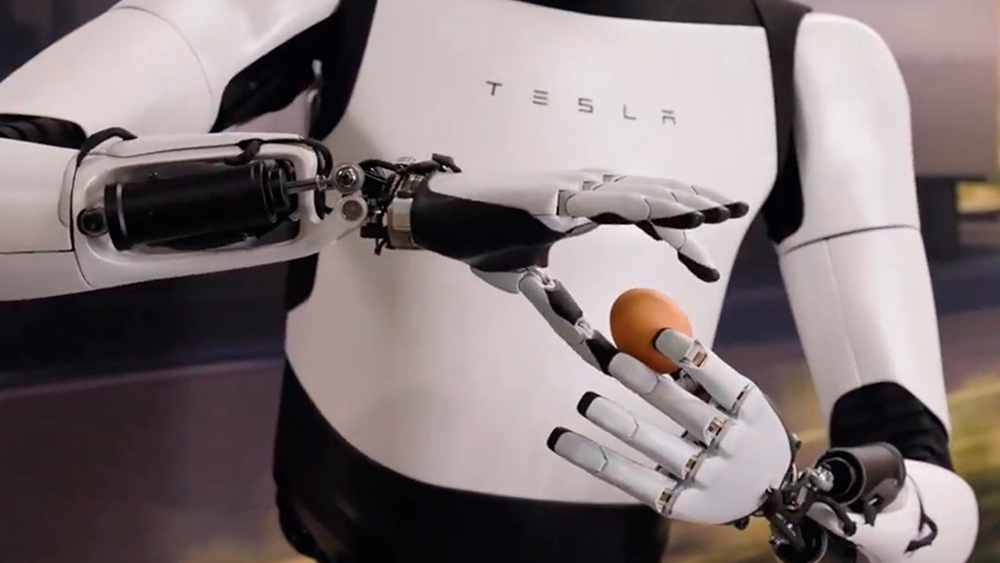
Elon Musk made a surprising revelation about the Tesla Optimus patent last week, shedding light on the fast-paced world of technology development. Despite the recent release of the patent, Musk disclosed that Tesla had already moved on from the design, showcasing the rapid evolution of cutting-edge technology.
In a candid response on X late at night, Musk dropped a bombshell about the Tesla Optimus humanoid robot hand patent, revealing that the design had already been changed. He admitted, “This one didn’t actually work.” This revelation underscores the dynamic nature of technological advancements and the constant need for innovation in the industry.
Patents are often seen as blueprints for future products, but Musk’s comments highlighted the reality of technology development. The rolling contact mechanism, intended to provide smooth articulation in the fingers, was scrapped after real-world testing exposed its shortcomings. The challenges of replicating the intricate dexterity of the human hand in a robotic form have been a major hurdle for Tesla engineers throughout the development of Optimus.
The failure of the initial design iteration underscores the persistent engineering hurdles in achieving reliable humanoid hand dexterity. Musk has emphasized the importance of recognizing the complexity and utility of the human hand, making it a formidable challenge to replicate in a robotic form. The margin for error in creating robotic hands capable of delicate tasks like folding laundry or assembling electronics is incredibly slim.
Tesla’s open communication about setbacks and failures sets it apart in the industry. Musk’s transparency about the shortcomings of the initial design demonstrates Tesla’s commitment to rapid iteration, rigorous testing, and a no-nonsense approach to development. The company’s willingness to acknowledge failures and iterate quickly is a testament to its dedication to true innovation.
The disclosure also highlights Tesla’s rapid pace of development, with new iterations of the technology constantly in the works. Optimus is a living project that evolves weekly, demonstrating Tesla’s commitment to pushing the boundaries of technology.
In the competitive landscape of general-purpose robots, Tesla’s approach of openly addressing failures and iterating quickly sets it apart. Musk’s admission that the initial finger-joint design didn’t work is a sign of confidence in the company’s ability to confront and overcome challenges. The next version of the hands is already in testing, promising improvements based on the lessons learned from the previous design.
Overall, Musk’s revelation about the evolving nature of the Tesla Optimus project serves as a reminder of the relentless pursuit of innovation and the inherent challenges of pushing the boundaries of technology. Tesla’s commitment to transparency, rapid iteration, and fearless approach to failure position it as a leader in the development of cutting-edge robotic technology.