
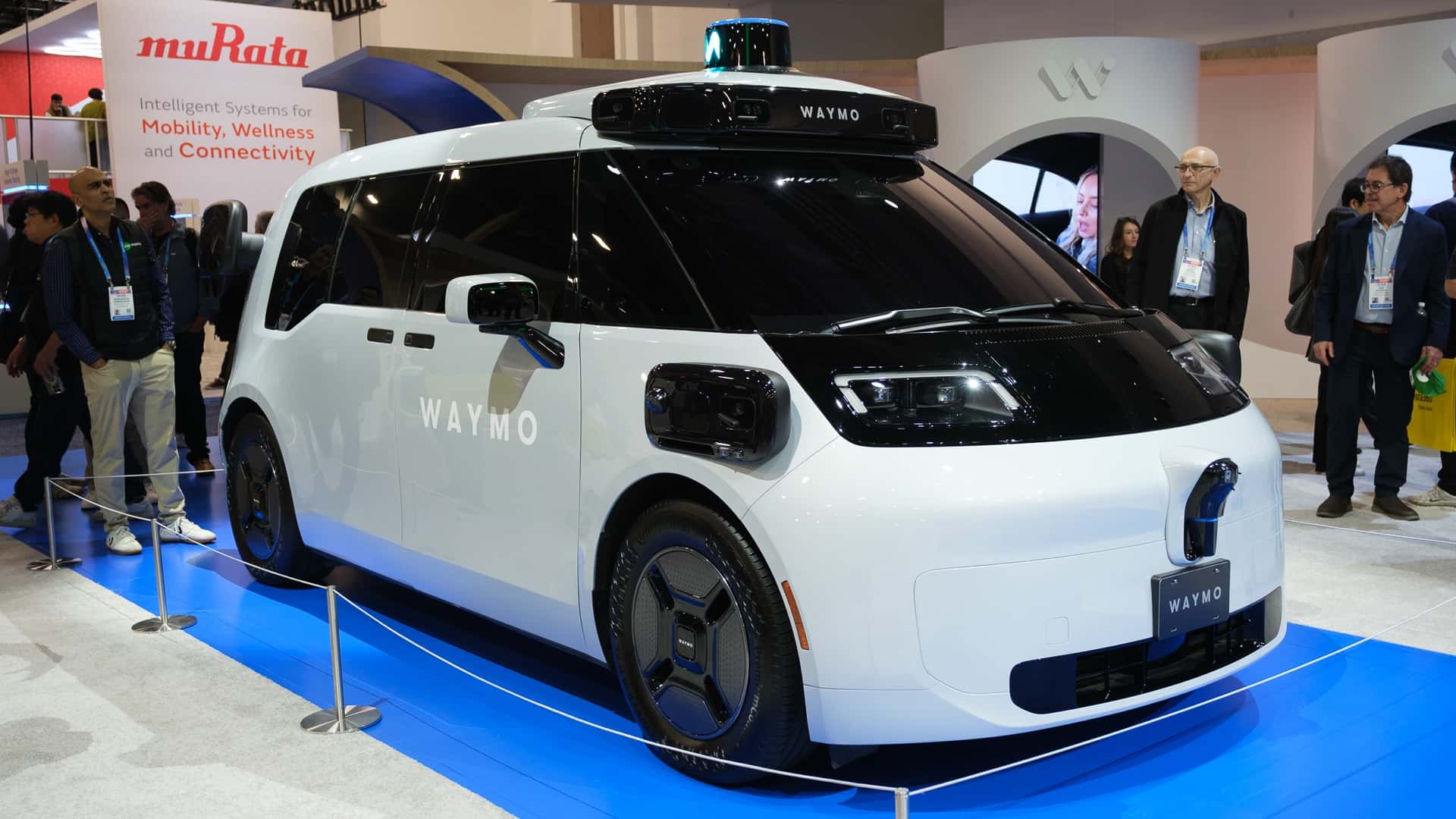
Waymo, the autonomous vehicle company, has announced a new partnership with B2U Storage Solutions to repurpose its old robotaxi batteries as stationary energy storage units. This move is aimed at supporting the energy grid in areas where Waymo operates, starting with Texas and California. The used batteries will be given a second life by harnessing all the extra energy produced by intermittent renewable sources and releasing it during times of high demand.
Through this partnership, Waymo plans to deploy “hundreds of megawatts” of energy storage, with initial projects set to kick off in Texas and California. B2U Storage Solutions has already successfully launched similar projects across the country, utilizing retired EV batteries to bolster the energy grid. For instance, one project in California is powered by 1,300 retired EV batteries, while another in Texas combines the energy of 720 packs.
Waymo has primarily used the Jaguar I-Pace as its robotaxi vehicle in recent years but has recently introduced the next-generation Ojai van, built by China’s Zeekr, to its fleet. The company is also testing Hyundai Ioniq 5 taxis and plans to incorporate them into its operations. Waymo executives have expressed interest in offering a variety of form factors to cater to different types of trips and customers.
Repurposing EV batteries for stationary energy storage is becoming a popular trend in the industry. Even when an EV battery can no longer provide its original rated range, it still has significant potential for stationary applications when combined with other batteries. This eliminates the need to recycle and remanufacture batteries for repurposing.
In addition to Waymo, other companies like General Motors and Rivian have also partnered with Redwood Materials, a battery recycling and repurposing company, to transform their EV batteries into grid-scale storage banks. This trend highlights the growing focus on sustainability and circular economy principles within the electric vehicle industry. As the number of electric vehicles on the road continues to grow, so does the issue of what to do with the batteries once they reach the end of their automotive life. However, a recent project by Waymo, a self-driving technology company, is providing a glimpse into a potential solution for this problem.
Waymo has announced a partnership with a company called Form Energy to repurpose used electric vehicle batteries for energy storage. The project involves taking batteries from Waymo’s fleet of self-driving cars and using them in a grid-scale energy storage system. This innovative approach not only gives the batteries a second life but also helps to address the increasing demand for energy storage solutions.
The idea behind this project is to create a sustainable and circular economy for electric vehicle batteries. Instead of disposing of the batteries once they are no longer suitable for use in vehicles, they can be repurposed for other applications, such as energy storage. This not only reduces waste but also helps to lower the overall environmental impact of electric vehicles.
As more and more electric vehicles hit the roads, the need for sustainable solutions for battery disposal and recycling will only continue to grow. Projects like the one undertaken by Waymo and Form Energy serve as a promising example of how companies can work together to find innovative ways to address these challenges.
In the future, we can expect to see more projects like this as companies look for ways to make the most of the resources available to them. By repurposing used electric vehicle batteries for energy storage, we can help to create a more sustainable and environmentally friendly future for electric vehicles and the energy sector as a whole.
For more information on this project and other developments in the electric vehicle industry, you can contact the author, Tim Levin, at Tim.Levin@InsideEVs.com. Stay tuned for more updates on how companies are finding creative solutions to the challenges of electric vehicle battery disposal and recycling.