
Tesla Faces New Quebec Class Action Lawsuit Over Alleged Heat Pump Defects
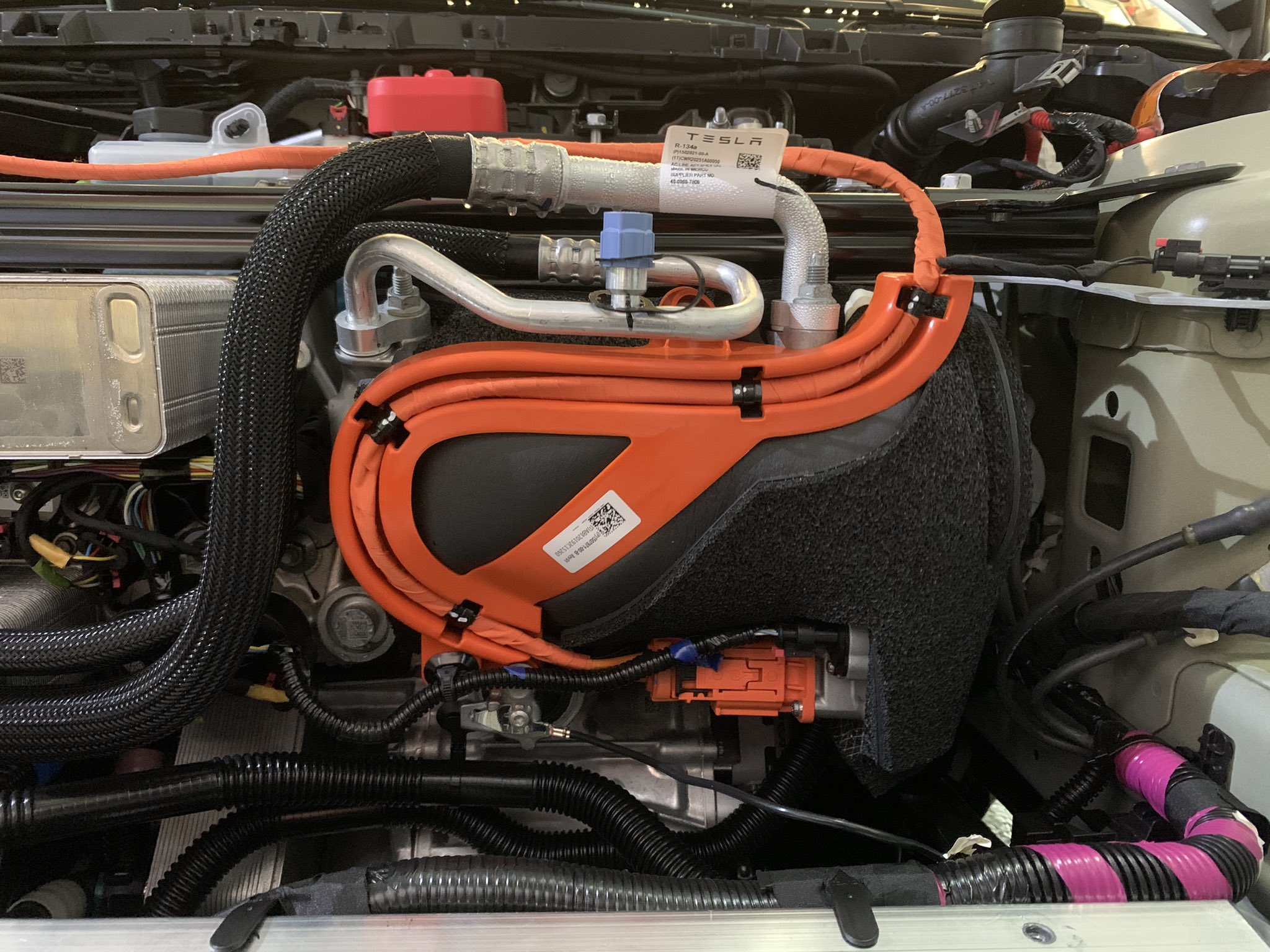
Tesla is currently embroiled in another proposed class action lawsuit in Quebec, this time over alleged heat pump failures affecting more than 55,000 vehicles. The lawsuit alleges that Tesla’s vehicles are equipped with defective heat pumps that are prone to malfunction, leading to costly repairs and inconveniences for owners.
The heat pump issues have reportedly impacted a significant number of Tesla vehicles in Quebec, prompting a group of affected owners to band together and seek legal action against the electric car manufacturer. The lawsuit claims that Tesla has not taken adequate steps to address the widespread problem, leaving customers with no choice but to bear the financial burden of repairs.
According to the plaintiffs, the heat pump defects have resulted in reduced heating and cooling capabilities in their vehicles, leading to discomfort during extreme weather conditions. In addition, the malfunctioning heat pumps have also been linked to reduced battery performance and overall efficiency of the vehicles.
Tesla has not yet responded to the allegations made in the lawsuit, but the company is likely to face significant legal challenges in the coming months as the case progresses. If the class action lawsuit is successful, Tesla could be required to compensate affected owners for repair costs and other damages resulting from the heat pump defects.
This latest legal battle adds to Tesla’s growing list of challenges in Quebec, where the company has faced criticism over its customer service practices and vehicle reliability. As Tesla continues to expand its market presence in Canada and around the world, the outcome of this class action lawsuit could have far-reaching implications for the company and its reputation among consumers.
In conclusion, the heat pump defects alleged in the class action lawsuit highlight the importance of quality control and customer satisfaction in the electric vehicle industry. As Tesla works to address these issues and restore trust among its customers, it will be interesting to see how the company navigates this legal challenge and its impact on the future of electric vehicles.