
The electric vehicle market is booming, with more options available to consumers than ever before. Despite the vast array of choices, just five electric vehicles managed to capture a significant 20% of the global market share last year. Unsurprisingly, Tesla dominated the rankings, with the Model Y leading the pack and the Model 3 following closely behind.
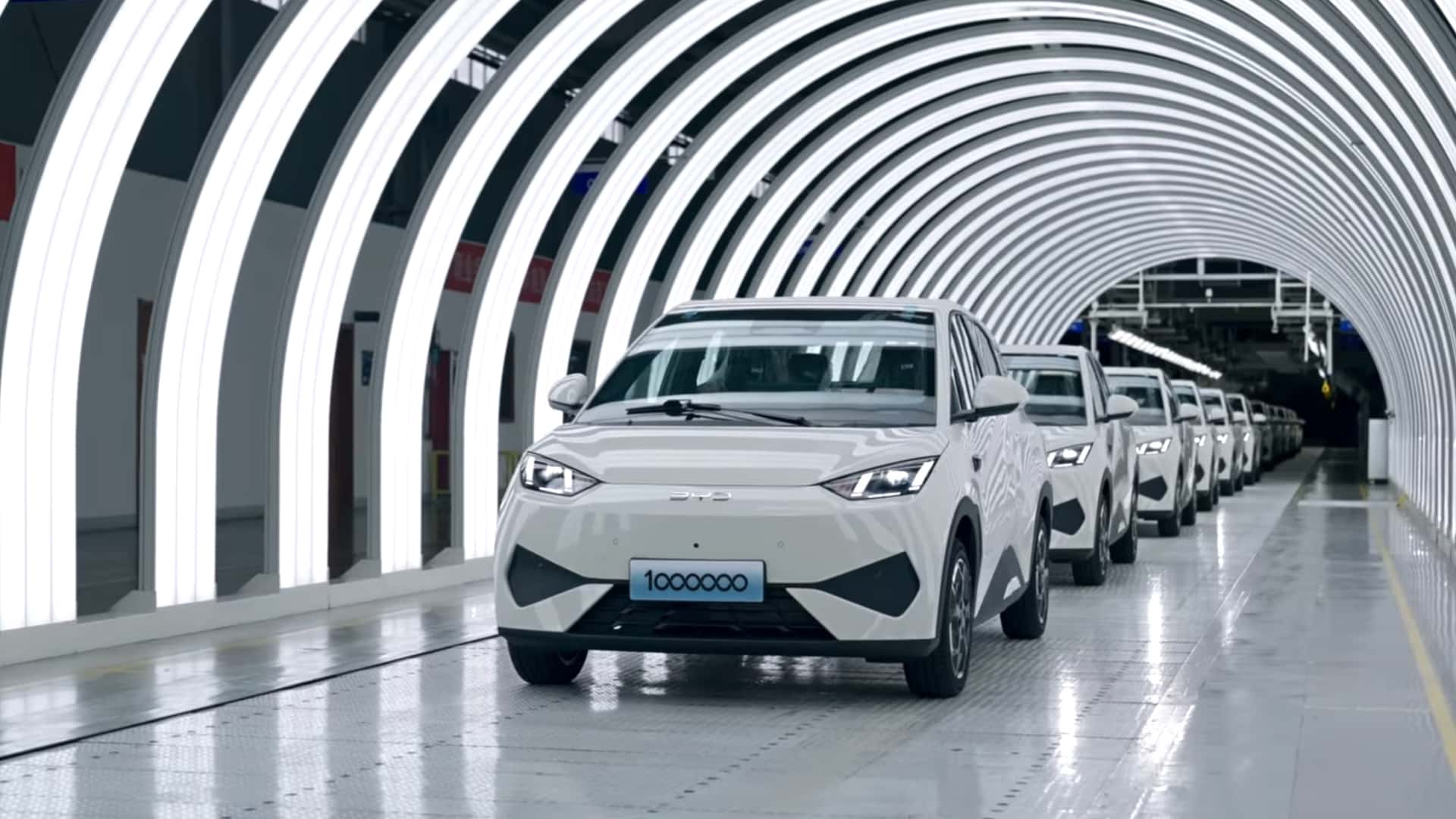
What may come as a surprise to many is that the remaining top five vehicles were all Chinese EVs, priced at under $10,000. The Geely Geome Xingyuan, Wuling HongGuang Mini, and BYD Seagull may not be household names, but they have gained Tesla-like traction in the market due to their affordability.
These Chinese models offer impressive specs at a fraction of the cost of a Tesla. The Geely boasts a 40 kWh battery pack and 255 miles of range starting at $9,700, while the BYD Seagull and Wuling offer similar features at even lower price points.
The affordability of these Chinese EVs has sparked a price war in the region, driving up market share and sales in emerging markets and developing economies. In China, 30% of plug-in vehicles are priced below $20,000, compared to just 20% in the U.S. where larger, more expensive EVs are more popular.
The International Energy Agency predicts that the number of electrified models will continue to grow rapidly in the coming years, with over 150 new models slated for release this year alone. As the EV market expands, affordable options like these Chinese models are likely to play a significant role in driving global EV adoption. The International Energy Agency (IEA) predicts a significant increase in the number of electric vehicles (EVs) available for purchase in the coming years. As of now, there are around 1,250 EV models expected to be on the market by 2029, which is close to the 1,580 combustion and hybrid vehicles that are projected to be available by the same year.
This surge in the availability of EVs is a clear indication of the growing demand for sustainable transportation options. With concerns about climate change and air pollution on the rise, more consumers are turning to electric vehicles as a cleaner and greener alternative to traditional gasoline-powered cars.
The shift towards electric vehicles is also being driven by advancements in technology and infrastructure. Companies are investing heavily in developing more efficient batteries, expanding charging networks, and improving the overall performance of EVs. As a result, EVs are becoming more practical and appealing to a wider range of consumers.
One of the key factors driving the growth of the EV market is government incentives and regulations. Many countries around the world are offering incentives such as tax credits, rebates, and subsidies to encourage the adoption of electric vehicles. In addition, strict emissions standards and regulations are pushing automakers to invest in electric vehicle technology to meet environmental targets.
In response to this growing demand, automakers are ramping up their efforts to introduce a wide range of electric vehicle models to cater to different customer preferences and needs. From compact city cars to luxury SUVs, there is a growing variety of EVs available in the market, offering something for everyone.
Overall, the increasing number of electric vehicle models expected to hit the market in the coming years is a positive sign for the future of sustainable transportation. With advancements in technology, supportive government policies, and a growing awareness of the need to reduce emissions, electric vehicles are poised to play a significant role in shaping the future of mobility.