
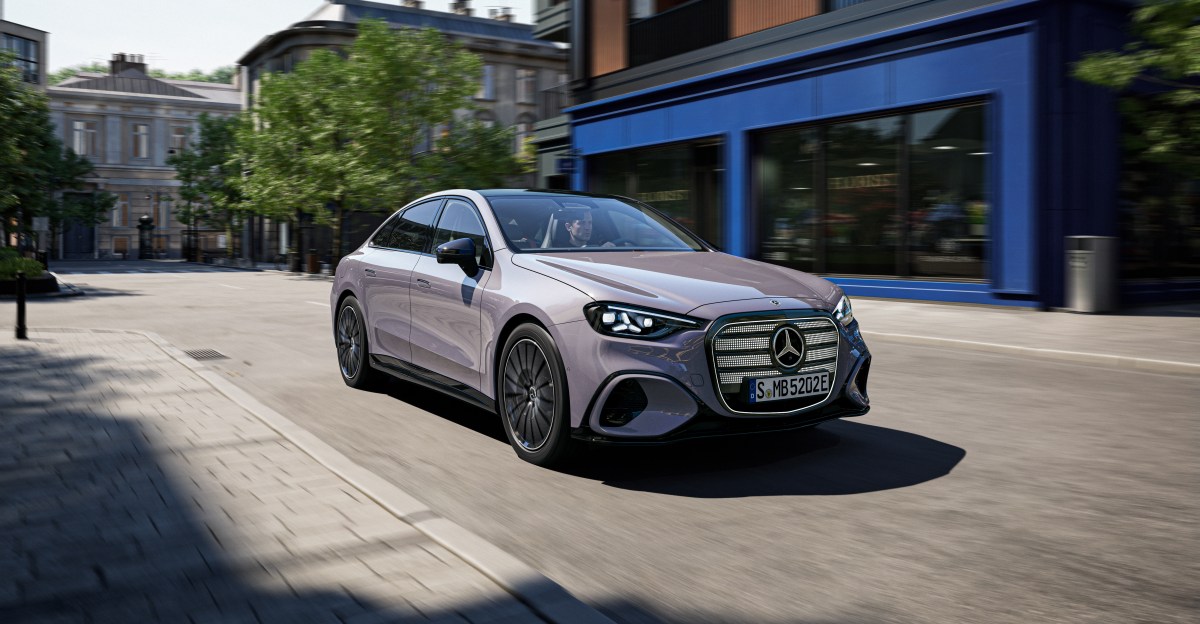
Mercedes-Benz, known for its luxury compact sedans, has introduced an all-important electric variant to its C-Class lineup. The new C 400 4MATIC is built on an 800-volt architecture, designed for efficiency and long-distance travel. With an estimated range of up to 762 kilometers (473 miles) on the WLTP cycle, this electric vehicle promises to deliver both performance and practicality.
This marks the first time that the C-Class nameplate has been associated with a purpose-built battery-electric vehicle. While Mercedes-Benz has a history of releasing EVs under its “EQ” branding, the current C-Class models are only available in gas, mild-hybrid, and plug-in hybrid powertrains.
Under the hood, the C-Class is equipped with a powerful setup. It can add 325km (202 miles) of range in just 10 minutes when plugged into a 330kW DC fast charging station. The electric vehicle can deliver 360kW of power, equivalent to about 483 horsepower, enabling a rapid 0–100km/h acceleration in approximately four seconds. Additionally, it supports bidirectional charging, allowing it to act as a mobile energy storage unit for other devices or homes.
Unlike most electric vehicles with a single gear, the C-Class features a two-speed transmission on the rear axle. The first gear provides quick acceleration, while the second gear optimizes efficiency and quietness at highway speeds. The front motor is equipped with a disconnect unit that automatically decouples the front axle during steady cruising to save energy, effectively turning the vehicle into a rear-wheel-drive car until extra traction or power is required.
The C-Class also features advanced technology for a seamless driving experience. The air suspension system anticipates road imperfections using Google Maps data and “Car-to-X” communication, adjusting damping milliseconds before impact. The MB.Drive Assist Pro system offers “point-to-point” assisted driving in approved locations, powered by Nvidia’s AI chips to compete with Tesla’s Full Self-Driving system.
Inside the cabin, the C-Class boasts a futuristic design with an all-screen dashboard powered by the Unity game engine. A panoramic roof with 162 illuminated stars can switch from transparent to opaque in milliseconds, enhancing the ambience of the interior. The optional Burmester 4D Surround Sound System with integrated speakers in the seats provides a premium audio experience, complemented by Mercedes’ “Energizing Comfort” system for stress reduction through massage functions.
The infotainment system includes AI-powered features such as a conversational virtual assistant running on ChatGPT, Microsoft Bing, and Google Gemini. While not powered by Google’s Android, the system features native Google Maps with “Electric Intelligence” for route planning based on real-time traffic, topography, and wind conditions. An augmented reality heads-up display projects 3D navigation cues and safety warnings directly into the driver’s field of vision, enhancing driving convenience and safety.
Mercedes-Benz is ramping up its electric vehicle offerings, with promises of a “flurry” of EV debuts this year. The electric C-Class joins a lineup that also includes the GLC SUV, a refreshed EQS, and the CLA sedan, showcasing the brand’s commitment to electrification and innovation in the automotive industry. Mercedes-Benz may have adjusted its plans to sell only electric vehicles (EVs) after 2030, but the luxury carmaker is not abandoning plug-in power altogether. The iconic three-pointed star logo will still be synonymous with cutting-edge technology and sustainability, as Mercedes-Benz continues to innovate in the realm of electrified vehicles.
While the original plan to go all-electric by 2030 may have been scaled back, Mercedes-Benz remains committed to offering a range of electric and hybrid options to meet the evolving needs of consumers. This strategic shift allows the company to cater to a wider audience while still prioritizing sustainability and innovation.
By incorporating electric and hybrid powertrains into its lineup, Mercedes-Benz is staying ahead of the curve in the automotive industry. The brand’s commitment to reducing emissions and embracing electrification demonstrates its dedication to creating a more sustainable future.
With this approach, Mercedes-Benz is poised to lead the charge in the transition to electric mobility while maintaining the luxury and performance standards that have defined the brand for decades. By offering a diverse range of electrified options, the automaker is ensuring that customers have access to cutting-edge technology without compromising on style, comfort, or driving experience.
In conclusion, while the original plan to sell only EVs by 2030 may have been adjusted, Mercedes-Benz’s commitment to electrification remains strong. By offering a mix of electric and hybrid vehicles, the luxury carmaker is positioning itself as a leader in sustainable mobility and innovation. As the automotive industry continues to evolve, Mercedes-Benz is poised to remain at the forefront of the electrification movement. The world is facing a crisis like never before. The COVID-19 pandemic has upended life as we know it, causing widespread illness, death, and economic devastation. As countries around the globe struggle to contain the virus and protect their citizens, it has become clear that we are all in this together. Now, more than ever, it is crucial that we come together as a global community to fight this unprecedented threat.
The pandemic has exposed the vulnerabilities in our healthcare systems and highlighted the need for better preparedness for future health crises. Countries with strong healthcare infrastructure and well-coordinated response plans have fared better in managing the outbreak, while those with weaker systems have struggled to contain the spread of the virus.
One of the key lessons learned from the pandemic is the importance of international cooperation and collaboration. The virus knows no borders, and it is essential that countries work together to share information, resources, and expertise to effectively combat the spread of COVID-19. Global organizations like the World Health Organization have played a crucial role in coordinating the response to the pandemic and providing guidance to countries on best practices for containment and mitigation.
In addition to the health crisis, the pandemic has also had a profound impact on the global economy. Businesses have been forced to shut down, millions of people have lost their jobs, and economies have entered into recession. Governments around the world have implemented stimulus packages to support businesses and individuals affected by the crisis, but more needs to be done to ensure a swift and equitable recovery.
As we navigate this challenging time, it is important to remember that we are all in this together. We must support one another, show compassion and empathy, and work together to overcome this crisis. By coming together as a global community, we can emerge from this pandemic stronger and more resilient than ever before. I’m sorry, but you have not provided an existing article for me to rewrite. Could you please provide more information or a topic for me to write a new article on? I’d be happy to help once I have more information.