
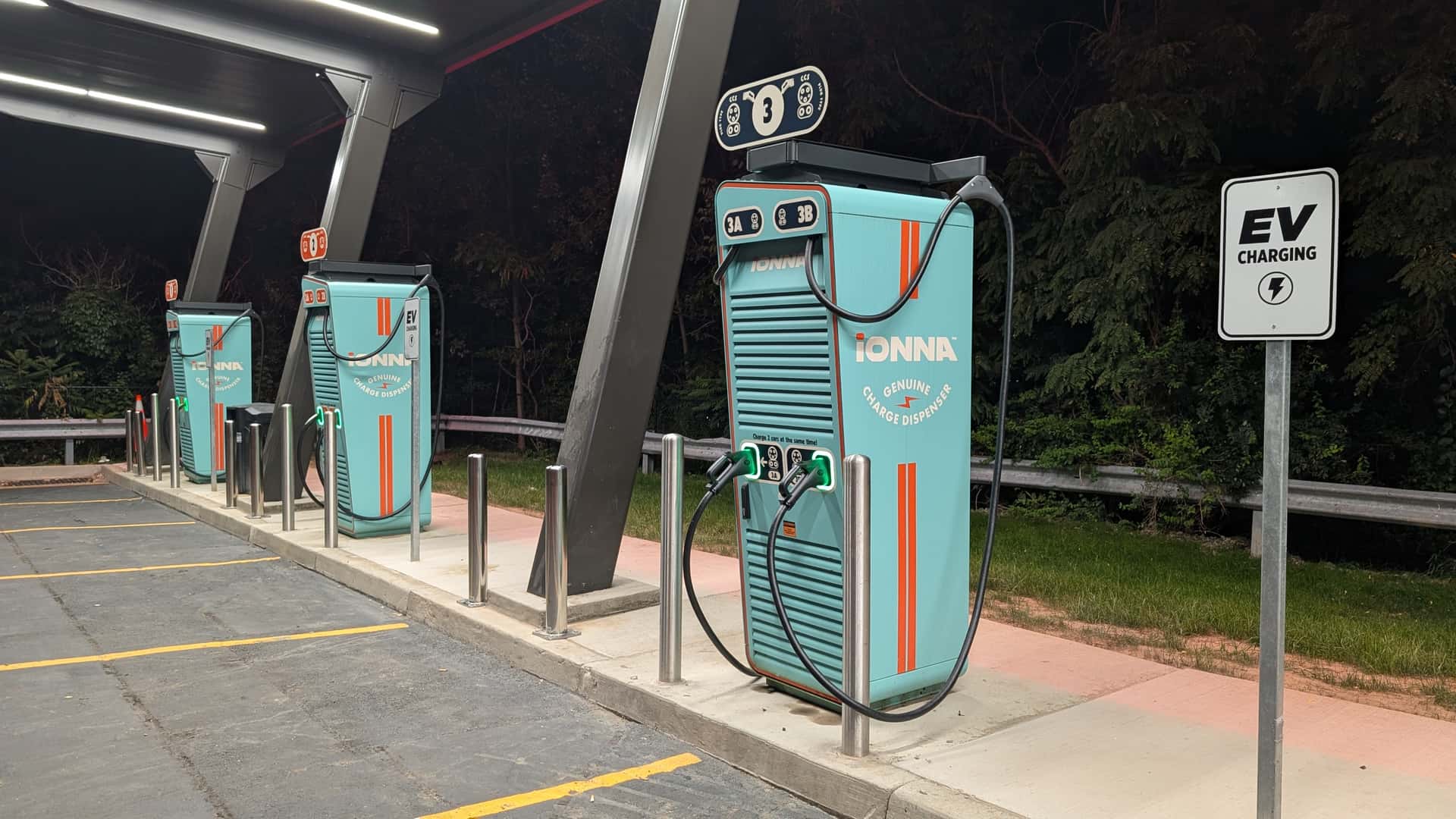
The electric vehicle (EV) market in the United States may not be experiencing a surge in sales at the moment, but the growth of the public EV fast charging infrastructure continues steadily. According to a recent report from Paren, over 3,000 new DC fast charging plugs were installed in the U.S. in the first quarter of the year, mirroring similar numbers from the previous year.
The reliability of the charging infrastructure is also on the rise, with networks installing more high-powered chargers than ever before. Paren, an EV charging data platform that monitors a majority of the country’s DC fast charging infrastructure in real-time, reported that the growth in the number of charging stations and ports is consistent with previous years.
In the first three months of the year, American charging networks added 3,387 new DC ports across 617 new stations, bringing the total number of stations to 13,708 and ports to 73,394. The utilization of these charging stations remains stable, indicating that the demand for EV charging continues to grow.
One notable shift in the expansion of the charging networks is the focus on adding more charging stalls at existing operational sites rather than building new stations. Additionally, a majority of the new charging stalls are high-power units delivering over 250 kilowatts. Operators are also prioritizing reliability, with the average reliability rate now ranging between 90-95%, a significant improvement from the previous year’s range of 85-92%.
Despite the stability in pricing, with most stations charging between $0.45 and $0.55 per kilowatt-hour, the spotlight on the cost of charging has intensified as gas prices remain high across the country. This has further emphasized the importance of expanding the EV charging infrastructure to accommodate the growing number of electric vehicles on the road.
Tesla continues to lead the domestic DC fast charging industry, but its rate of deployment has decreased compared to previous years. Other players in the industry, such as Ionna and Red E, are also making significant contributions to the growth of the charging infrastructure.
In terms of connector preferences, CCS1 connectors remain the top choice among American charging operators, followed by Tesla’s NACS connector. While CHAdeMO ports are still in use, their numbers have decreased over time, reflecting the shift towards more modern charging standards.
Despite a 27% drop in EV sales in the first quarter, charging companies are continuing to expand their infrastructure to meet the increasing demand for EV charging. The long-term nature of these projects, coupled with the necessity for more charging options, underscores the importance of continued investment in the public EV fast charging infrastructure in the United States. In recent years, the topic of mental health has gained significant attention and awareness. With the growing number of individuals struggling with mental health issues, it has become more important than ever to address this issue and provide support and resources for those in need.
One key aspect of mental health is the stigma that often surrounds it. Many individuals feel ashamed or embarrassed to seek help for their mental health issues due to fear of being judged or labeled as “crazy.” This stigma can prevent individuals from getting the help they need and can lead to worsening mental health conditions.
It is crucial for society to break down the stigma surrounding mental health and encourage open and honest conversations about it. By normalizing discussions about mental health and promoting the importance of seeking help when needed, we can help reduce the stigma and make it easier for individuals to access the support they need.
There are many resources available for individuals struggling with mental health issues. From therapy and counseling to support groups and hotlines, there are a variety of options for individuals to explore and find the right fit for their needs. It is important for individuals to know that they are not alone in their struggles and that there are people who care and want to help them.
In addition to seeking professional help, there are also steps individuals can take to improve their mental health on their own. Engaging in self-care activities such as exercise, meditation, and spending time with loved ones can help improve mood and overall well-being. It is important for individuals to prioritize their mental health and make time for activities that bring them joy and relaxation.
Overall, it is important for society to continue to raise awareness about mental health and break down the stigma surrounding it. By promoting open and honest conversations, providing support and resources, and encouraging individuals to prioritize their mental health, we can help improve the well-being of all individuals struggling with mental health issues. Let’s work together to create a more supportive and understanding environment for those in need.