
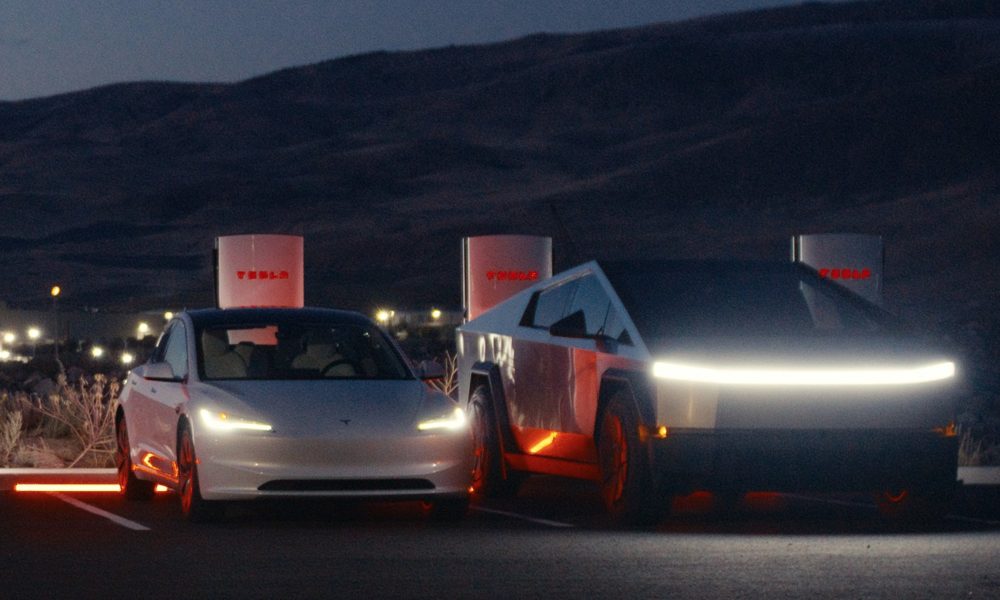
Tesla has recently introduced an exciting new Free Supercharging incentive for a surprising vehicle in its lineup. In the past, Tesla has used Free Supercharging as a way to incentivize the purchase of its high-end vehicles like the Model S and Model X. However, with those models being phased out, Tesla has decided to apply the incentive to the Model 3 Premium (Long Range) and Performance variants in the United States.
Starting with orders placed on or after April 24, buyers of the Model 3 Premium and Performance variants will receive one full year of complimentary Supercharging. This offer is exclusive to new vehicle orders and does not extend to existing owners or other trims like the base Rear-Wheel Drive model. Tesla North America took to Twitter to announce the new incentive, emphasizing that all Teslas pay the lowest Supercharging rates, while non-Tesla EVs pay a premium or require a subscription.
The introduction of this incentive highlights Tesla’s continued dominance in the EV charging infrastructure. While the offer provides 12 months of free access to the Supercharger network, Tesla also reiterated its pricing structure, ensuring that all Tesla vehicles receive the lowest Supercharging rates. This strategic move positions Tesla as a leader in providing convenient and cost-effective charging solutions for EV owners.
For potential buyers, the savings from the free Supercharging incentive can be significant, especially for those who drive long distances. With average Supercharging costs between $0.40-$0.50 per kWh, the complimentary one-year access could result in savings of $800-$1,200 in avoided expenses. This not only lowers the total cost of ownership but also makes long-distance travel more affordable right from the start.
The timing of this offer seems deliberate, as Tesla faces increased competition from other automakers expanding their charging networks and offering aggressive EV incentives. By offering free Supercharging instead of discounting the vehicle’s price, Tesla is addressing a major concern for new EV adopters – charging costs and convenience. Additionally, encouraging higher-mileage use of the network provides valuable data for Tesla’s autonomous driving development.
There are speculations as to why Tesla chose to apply this incentive to the Model 3. Some believe it could be a move to clear out inventory before launching new upgrades, while others suggest it could be a strategy to boost early quarter demand for the Model 3 amidst strong sales of the Model Y. With the loss of the EV tax credit last year impacting sales, Tesla is exploring new options to stimulate demand and maintain its competitive edge in the EV market.