
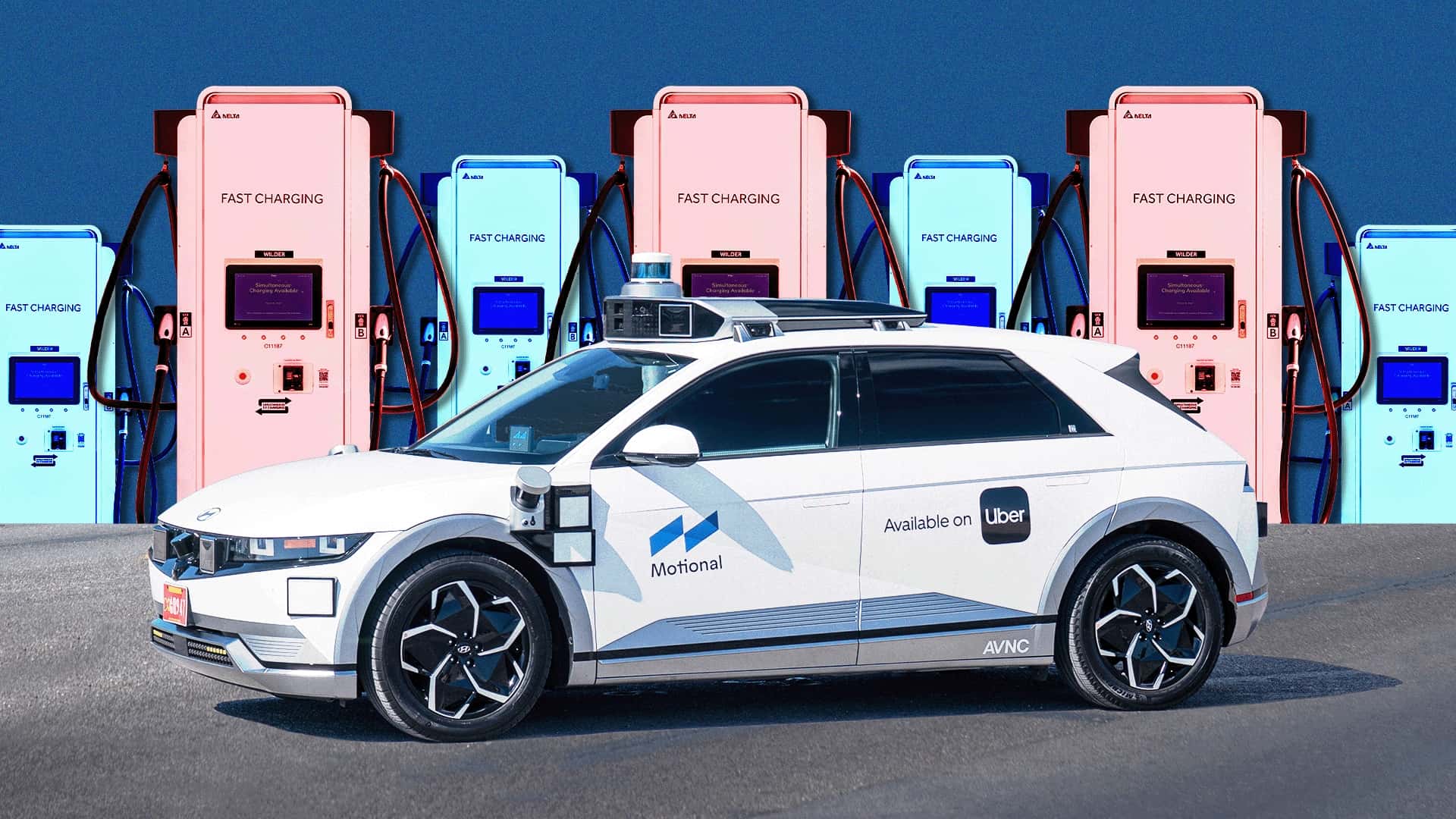
Uber’s proactive approach to addressing the charging infrastructure shortage in New York City and beyond is a strategic move that aligns with the company’s long-term vision for a fully electrified fleet. By investing $100 million in the construction of public fast-charging stations and partnering with established networks like EVgo and Ionity, Uber is not only supporting the transition to electric vehicles but also ensuring that its drivers have access to reliable charging options.
The utilization guarantees provided by Uber to these charging networks are a key component of the company’s strategy. High utilization rates are essential for the financial viability of fast-charging stations, and Uber’s commitment to driving demand for these chargers is a testament to its confidence in the growing market for electric vehicles. As more drivers make the switch to electric, the need for accessible and efficient charging infrastructure will only continue to rise.
In cities like New York, where charging shortages have posed a significant challenge for Uber drivers, the impact of Uber’s investment in charging infrastructure is already being felt. The influx of electric vehicles on the road, driven in part by new regulations from the Taxi and Limousine Commission, has highlighted the urgent need for more charging options. While progress has been made in expanding the charging network in the city, congestion and long wait times at charging stations remain a persistent issue.
Uber’s data-driven approach to identifying charging needs and strategically deploying new fast-charging stations is a promising development for the future of electric mobility. By leveraging its vast data resources and partnering with industry leaders, Uber is positioning itself as a key player in the electrification of transportation. As the demand for electric vehicles continues to grow, Uber’s proactive stance on charging infrastructure will play a crucial role in shaping the transition to a cleaner and more sustainable transportation ecosystem. The rise of rideshare drivers opting for electric vehicles (EVs) has highlighted a crucial issue in the industry – the lack of sufficient charging stations to support this growing trend. With tens of thousands of rideshare drivers now choosing to drive EVs, the demand for charging infrastructure has never been higher.
Recognizing this challenge, Uber has introduced a new recommendation technology within its app to assist drivers in locating nearby EV chargers and identifying locations with shorter queues. This initiative aims to alleviate some of the concerns faced by rideshare drivers who rely on access to charging stations to keep their vehicles running.
However, Uber’s dominance in the rideshare market is being put to the test by both competitors and investors. The company’s stock has seen a decline of nearly 10% this year, reflecting the growing competition in the industry. Rival companies like Waymo, which operates its own autonomous vehicle service in several cities, pose a significant threat to Uber’s market share.
In addition to competition from rivals like Waymo, Uber also faces a looming threat from Tesla. Elon Musk’s company is developing its own fleet of robotaxis that will operate on Tesla’s proprietary hardware and software. This vertical integration gives Tesla a competitive edge by allowing the company to have greater control over its operations.
While Uber’s horizontal approach may limit its direct influence over certain aspects of its business, such as hardware and software development, it also enables the company to leverage its massive scale. The success of Uber’s bet on autonomous vehicles remains to be seen, but the company’s focus on expanding charging infrastructure for EVs is a less risky investment in comparison.
As more rideshare drivers make the switch to electric vehicles, the need for additional charging stations becomes increasingly urgent. Fortunately, charging technology continues to improve, with newer stations offering higher power outputs and increased reliability. Moreover, charging stations are now being strategically located in areas with amenities like convenience stores, bathrooms, and WiFi to enhance the overall driver experience.
Cornelia, a spokesperson for Uber, emphasized that the future of mobility is electric, autonomous, and digitally enabled. By investing in charging infrastructure and supporting the transition to electric vehicles, Uber is positioning itself to meet the evolving needs of rideshare drivers and ensure a sustainable future for the industry.