
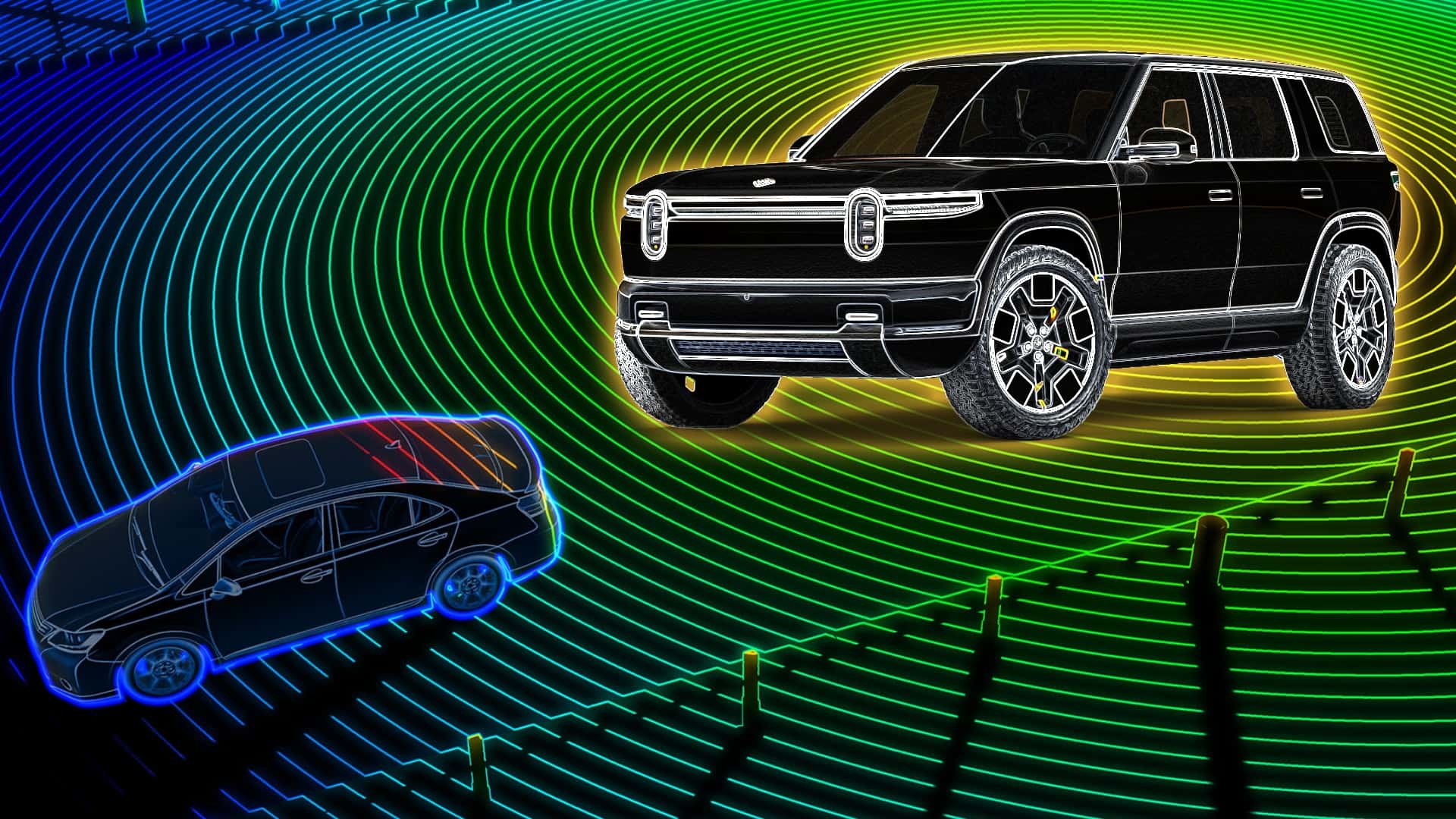
The argument against lidar used to be that it was too expensive and not necessary, but that argument is no longer valid. Lidar has become more affordable and the benefits of using it in conjunction with other sensors are clear. As Scaringe put it, “The view of the entirety of the science community is that having multiple sensors is helpful because you build a more accurate view of the world.”
This shift in thinking represents a turning point in the development of autonomous driving technology. Rivian’s willingness to consider lidar as part of its future autonomy hardware stack shows a commitment to staying at the forefront of innovation in the industry.
As Rivian continues to push the boundaries of what is possible with electric vehicles, it will be interesting to see how the company integrates lidar into its vehicles and how this decision impacts the future of autonomous driving technology. With CEO RJ Scaringe leading the charge, Rivian is poised to make a significant impact on the automotive industry and pave the way for a new era of electric and autonomous vehicles. Therefore, having a sensor like lidar, which can provide detailed 3D mapping of the environment, could potentially give Rivian an edge in achieving those goals.
Lidar, which stands for Light Detection and Ranging, uses laser pulses to measure distances and create high-resolution maps of surroundings. This technology is particularly useful in situations where cameras may struggle, such as low-light conditions or situations with high glare. By integrating lidar into its sensor suite, Rivian could enhance the capabilities of its autonomy platform and improve the overall performance of its vehicles.
One of the key advantages of lidar is its ability to provide precise depth information, which can help autonomous vehicles better understand their surroundings and make informed decisions in real-time. This level of detail can be crucial for ensuring the safety of both passengers and pedestrians, especially in complex urban environments.
While some may argue that vision-based systems alone can achieve similar results, lidar offers a unique set of benefits that can complement existing sensor technologies. By combining the strengths of different sensors, such as cameras, radar, and lidar, Rivian can create a more robust and reliable autonomy platform that is capable of handling a wide range of driving scenarios.
As the automotive industry continues to evolve and autonomous technology becomes more prevalent, the debate around lidar versus other sensor technologies is likely to persist. However, with the cost of lidar decreasing and its capabilities improving, more automakers like Rivian may choose to incorporate this advanced sensor into their vehicles to stay ahead of the competition.
In conclusion, while the debate around lidar may have originated in the early days of autonomous vehicles, its potential benefits are hard to ignore. With Rivian possibly considering integrating lidar into its sensor stack for future models, we could see a new era of autonomy where advanced sensors like lidar play a crucial role in shaping the future of transportation.