
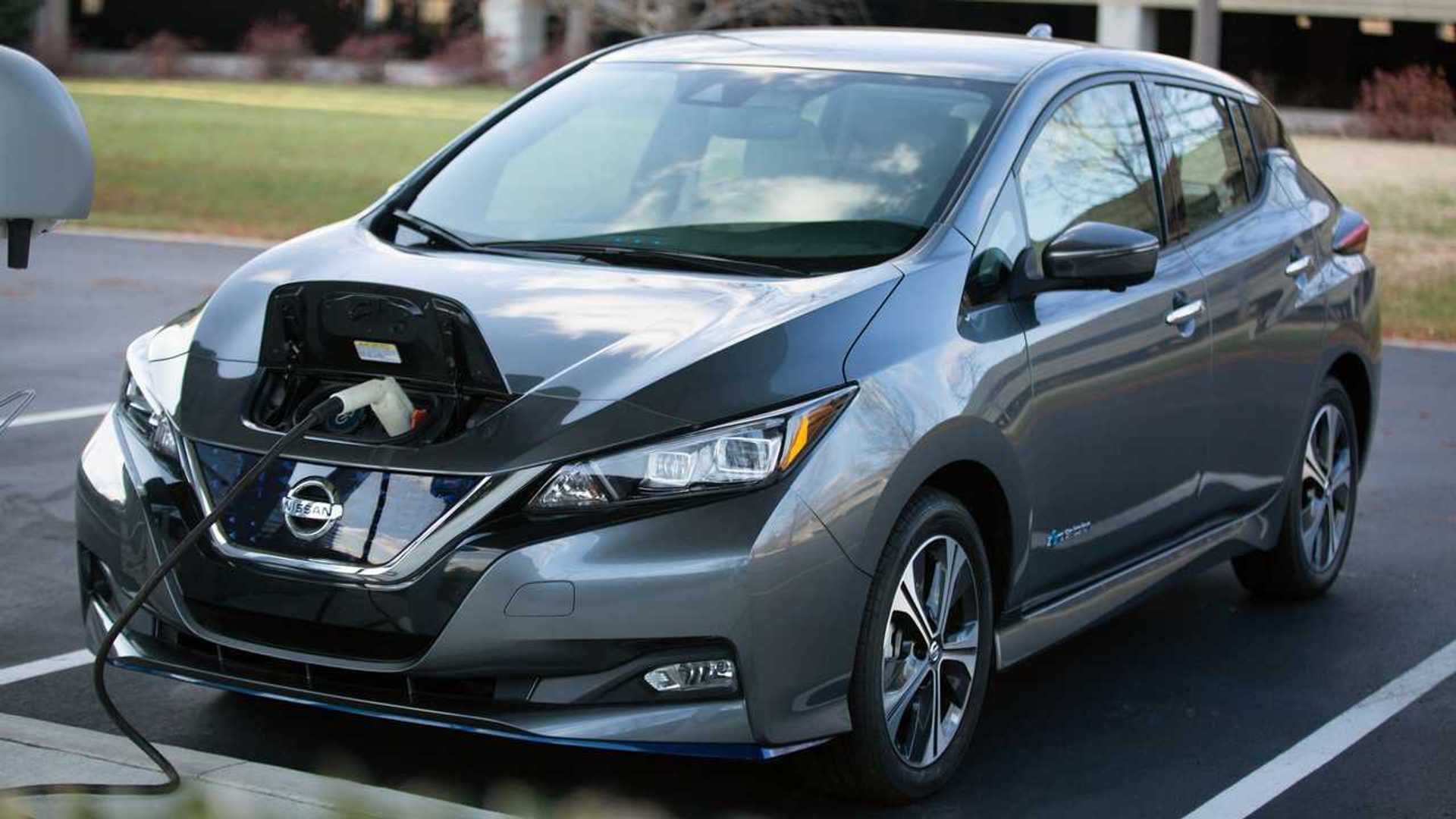
Nissan is facing a significant battery problem with its Leaf electric vehicles, as nearly 43,000 second-generation models in the United States are at risk of catching fire when using a DC fast charger. This issue stems from high-voltage batteries that can generate excessive lithium deposits, leading to increased resistance and potential fluctuations in the state of charge. The result is a risk of fire when the affected vehicles are connected to a fast charger.
Two separate recalls have been issued for model years 2019 through 2022, with the latest one covering 19,077 Leaf EVs built between June 15, 2021, and May 23, 2023. This recall adds to the previous one from last year, which included 23,887 vehicles from the 2019 and 2020 model years. The affected battery packs, both 40- and 62-kilowatt-hour units manufactured in Smyrna, Tennessee, are included in these recalls.
Nissan has been working on a software update to prevent the fire risk, but the fix is not yet available. Owners have been advised not to use DC fast chargers until the remedy is ready. The company has stated that once the software update is finalized, affected customers will be notified to visit a dealer for a free update. In the meantime, owners should rely on Level 1 or Level 2 chargers and avoid fast charging stations.
Despite the fact that the CHAdeMO fast-charging port on the Leaf is not as commonly used now compared to CCS or NACS cables, there are still charging stations that support it. This means that affected Leaf owners may face limitations in charging options until the software fix is implemented.
The timeline for the software update has been delayed multiple times, with the initial target of November 2024 being pushed back to the third quarter of 2025. As the fix is still pending, more vehicles have been added to the list of potentially fire-prone Leafs. Nissan is actively working on a solution, and affected owners can expect to receive notification once the remedy is available.