
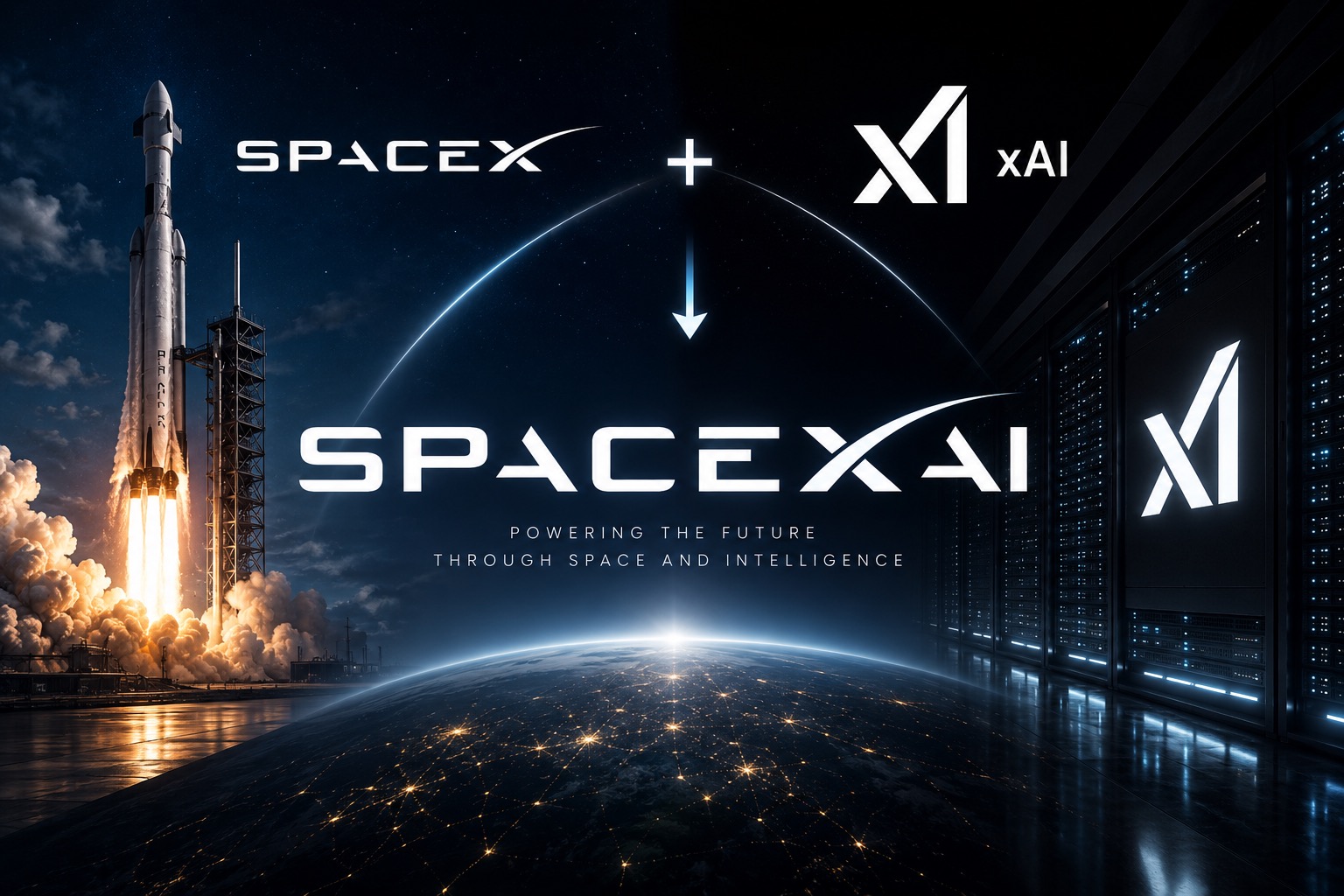
Elon Musk recently made headlines by announcing the integration of his artificial intelligence venture, xAI, directly into SpaceX. This move will see the division rebranded as SpaceXAI, consolidating all AI-related products under the aerospace manufacturer’s corporate umbrella.
The decision to merge xAI with SpaceX comes alongside a new partnership between the space company and Anthropic. As part of the agreement, Anthropic will have access to SpaceX’s powerful Colossus 1 supercomputer, enhancing the capabilities for its Claude Pro and Claude Max subscribers.
This collaboration signifies a strategic shift in how Musk’s ventures leverage high-end computing power. By bringing xAI under the SpaceX umbrella, the company aims to streamline the development of AI products. However, questions remain about the positioning of consumer-facing tools like the chatbot Grok within a company primarily focused on space exploration and satellite internet.
The consolidation follows the rapid expansion of the Colossus cluster, which has quickly become one of the most powerful AI training environments globally. Musk expressed confidence in Anthropic’s team, stating that he was impressed by their dedication to ensuring the ethical use of AI technology.
In a tweet, Musk mentioned his discussions with the Anthropic team and his decision to lease Colossus 1 to the company, as SpaceXAI had already transitioned training to Colossus 2. This move highlights Musk’s commitment to advancing AI technology while upholding ethical standards.
Furthermore, SpaceX has reportedly filed for an Initial Public Offering (IPO) with a valuation target of up to $1.75 trillion. Shares are expected to hit the market as early as late June or July 2026, marking a significant milestone for the company’s financial growth.
Overall, the integration of xAI into SpaceX and the partnership with Anthropic showcase Musk’s vision for advancing AI technology within the aerospace industry. With the Colossus supercomputer at their disposal, both companies are poised to drive innovation and push the boundaries of AI research.