
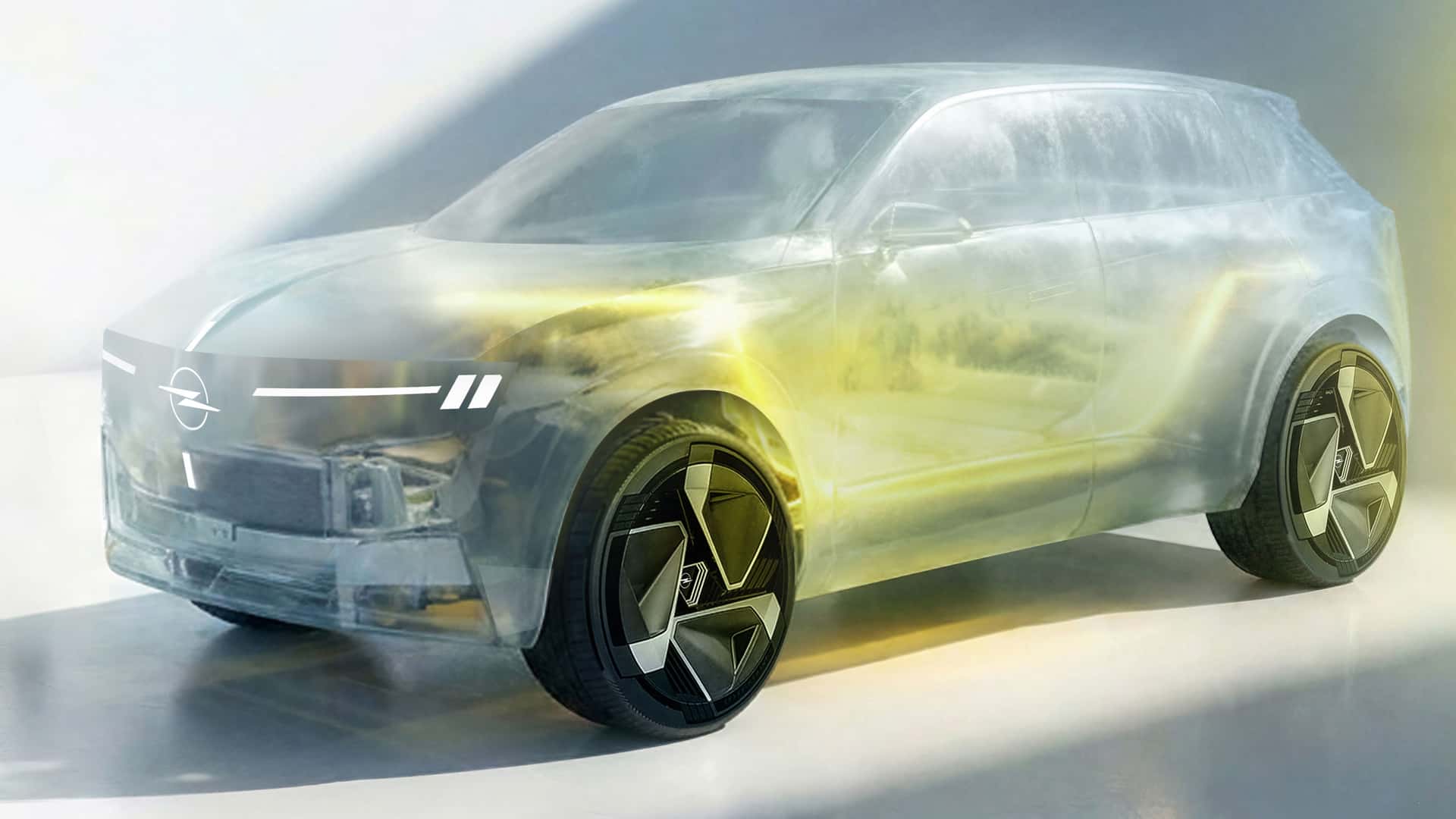
Opel, a European legacy brand, is looking to tap into Chinese electric vehicle (EV) technology for its next electric SUV. The company is planning to use core EV architecture and battery tech from China’s Leapmotor, a move that could set the stage for more Stellantis models to utilize Chinese EV tech under familiar European badges.
This partnership between Opel and Leapmotor underscores a trend in the automotive industry where established European brands are leveraging Chinese technology for their electric vehicles. The electric Mini Cooper and Volvo EX30 are examples of European badges that have deep Chinese production or ownership links.
However, the Opel project stands out as it will be a mainstream EV from a European brand built in Europe on a Chinese platform. Opel has revealed that the new model will incorporate core components of Leapmotor’s electric architecture and battery technology. The manufacturer is considering producing the compact model at Stellantis’ Zaragoza plant in Spain, where the Opel Corsa is currently built.
The new Opel SUV, if approved, could hit the market as early as 2028, developed in under two years thanks to the use of the Leapmotor platform. This accelerated timeline would allow Opel to bring the electric SUV to market quicker than a traditional clean-sheet vehicle program.
Leapmotor already offers a compact electric SUV, the B10, which could serve as the basis for the new Opel model. The B10 is available in pure-electric form with different battery options, as well as a range extender variant. While the Opel SUV will share mechanical components with the B10, it will feature Opel’s signature design language and chassis tuning from Germany.
This collaboration between Opel and Leapmotor could pave the way for other Stellantis brands to adopt Chinese EV technology in the future. Peugeot or Fiat models using Leapmotor underpinnings could be on the horizon, although concrete plans have not been announced yet. The integration of Chinese EV tech into European vehicles marks a significant shift in the industry and highlights the importance of global partnerships in advancing electric mobility. Stellantis, the multinational automotive company formed by the merger of Fiat Chrysler Automobiles and PSA Group, is strategically reallocating resources to focus on key brands in different regions. According to a recent report by Reuters, Stellantis plans to prioritize Jeep and Ram in the United States, as well as Peugeot and Fiat in Europe. This shift in focus is part of the company’s efforts to drive a turnaround and streamline its operations.
In the United States, Stellantis will allocate more resources to Jeep and Ram, two of its most popular brands known for their rugged SUVs and trucks. By investing in these brands, Stellantis aims to capitalize on the strong demand for SUVs and trucks in the American market. This strategy aligns with the current trend in the automotive industry, where consumers are increasingly opting for larger vehicles over traditional sedans.
In Europe, Stellantis will place a greater emphasis on Peugeot and Fiat, two iconic brands with a strong presence in the region. By focusing on these brands, Stellantis hopes to strengthen its position in the competitive European market and appeal to a diverse range of customers. Peugeot is known for its stylish and innovative vehicles, while Fiat is recognized for its compact cars and Italian flair.
While Jeep, Ram, Peugeot, and Fiat will receive increased funding and support, other Stellantis brands may rely more on shared technology and have more targeted regional roles. This approach allows Stellantis to leverage its resources more efficiently and adapt to the specific needs of different markets. By optimizing its brand portfolio and streamlining its operations, Stellantis aims to drive a successful turnaround and ensure long-term profitability.
Overall, Stellantis’ strategic reallocation of resources reflects the company’s commitment to innovation, sustainability, and growth. By focusing on key brands in key regions, Stellantis is poised to strengthen its competitive position in the global automotive market and meet the evolving needs of consumers.