
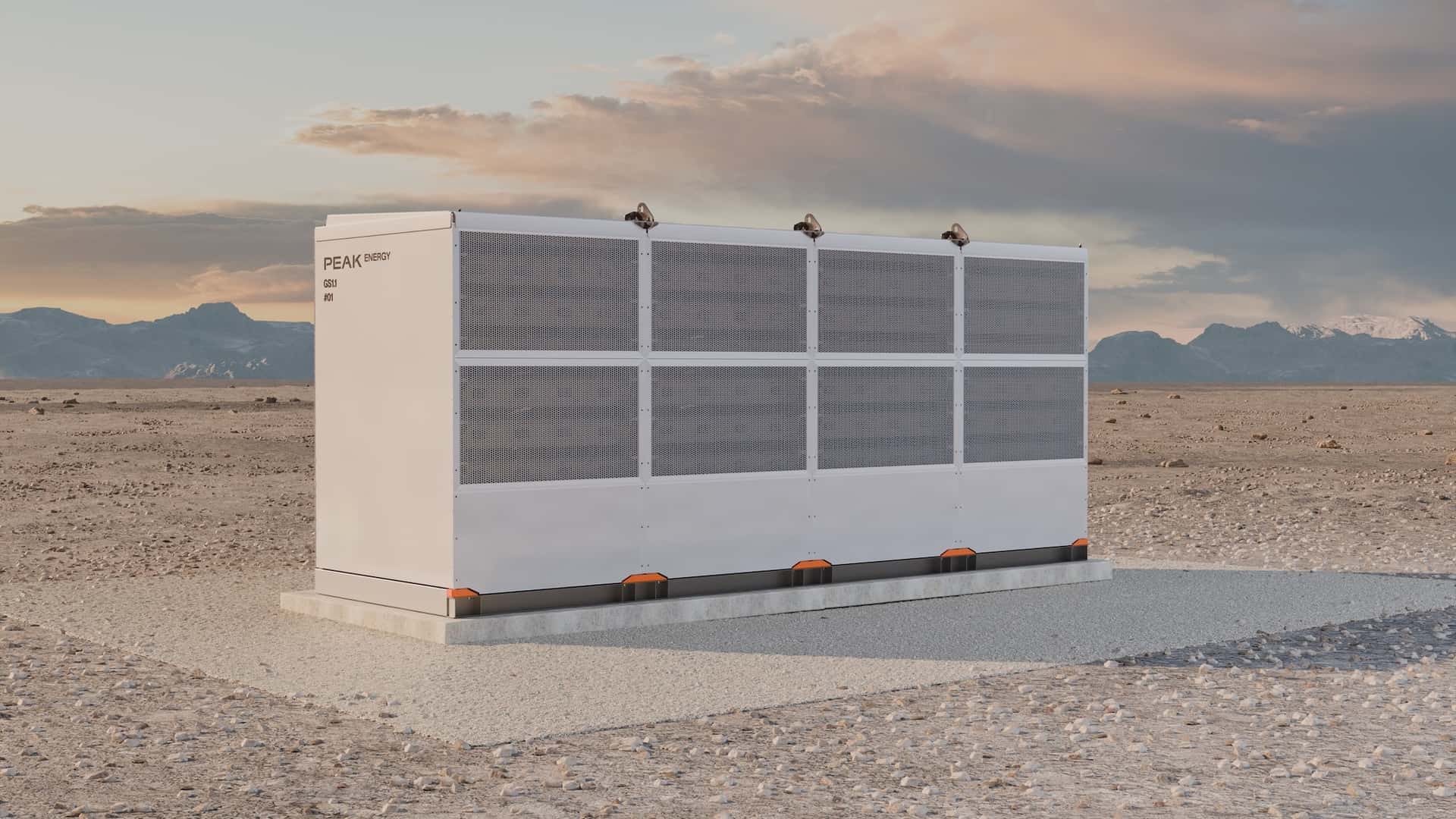
Now, other automakers are following suit. BMW recently announced a partnership with Rimac to develop high-performance battery modules for electric vehicles, but also for stationary energy storage solutions. This move shows that the industry is recognizing the potential in repurposing excess battery capacity for new applications.
As the world continues to shift towards renewable energy sources, the need for energy storage solutions will only continue to grow. AI data centers, critical infrastructure, and even residential homes are all potential markets for these stationary battery systems. By repurposing excess capacity from the automotive industry, companies can not only reduce waste but also capitalize on a growing market demand.
In conclusion, the shift from automotive to stationary battery power represents a strategic move by automakers to adapt to changing market demands. By repurposing excess capacity for energy storage solutions, these companies are not only finding new revenue streams but also contributing to the development of a more sustainable energy infrastructure.
The Battery Energy Storage System (BESS) market is booming, and old guard firms are now making their mark in this space. Companies like Ford and GM, known for their long history in the automotive industry, are now transitioning their operations to focus on building BESS packs.
Ford, for instance, recently announced its plans to repurpose its factory space in Kentucky to manufacture BESS packs. The keys to its second plant in Tennessee will be handed over to Ford’s partner in the battery space, SK On. Similarly, GM revealed that its Ultium Cells plant in Nashville will also shift towards producing BESS solutions. The company is investing around $70 million to retool and retrain workers to support this transition and maintain its partnership with LG Energy Solution.
These moves highlight the extra effort that automakers need to put in to adapt to the BESS market. It’s not just a matter of repackaging existing batteries; different chemistries are needed for storage systems compared to electric vehicles. While EV batteries in the U.S. typically use nickel-heavy chemistries for higher energy density, BESS solutions often rely on lithium iron phosphate (LFP) packs, which are more cost-effective and can sustain higher charge levels without significant degradation.
Despite the challenges, transitioning to the BESS market is a wise move for automakers. Although EV demand may fluctuate in the short term, companies have already invested in factory capacity and mineral sourcing for batteries. Additionally, the increasing energy demand and the growing importance of energy storage as critical infrastructure make this shift even more crucial.
Overall, the entry of old guard firms into the BESS space signals a major shift in the energy storage industry. With established companies bringing their expertise and resources to this market, we can expect significant advancements and innovations in BESS technology in the years to come.