
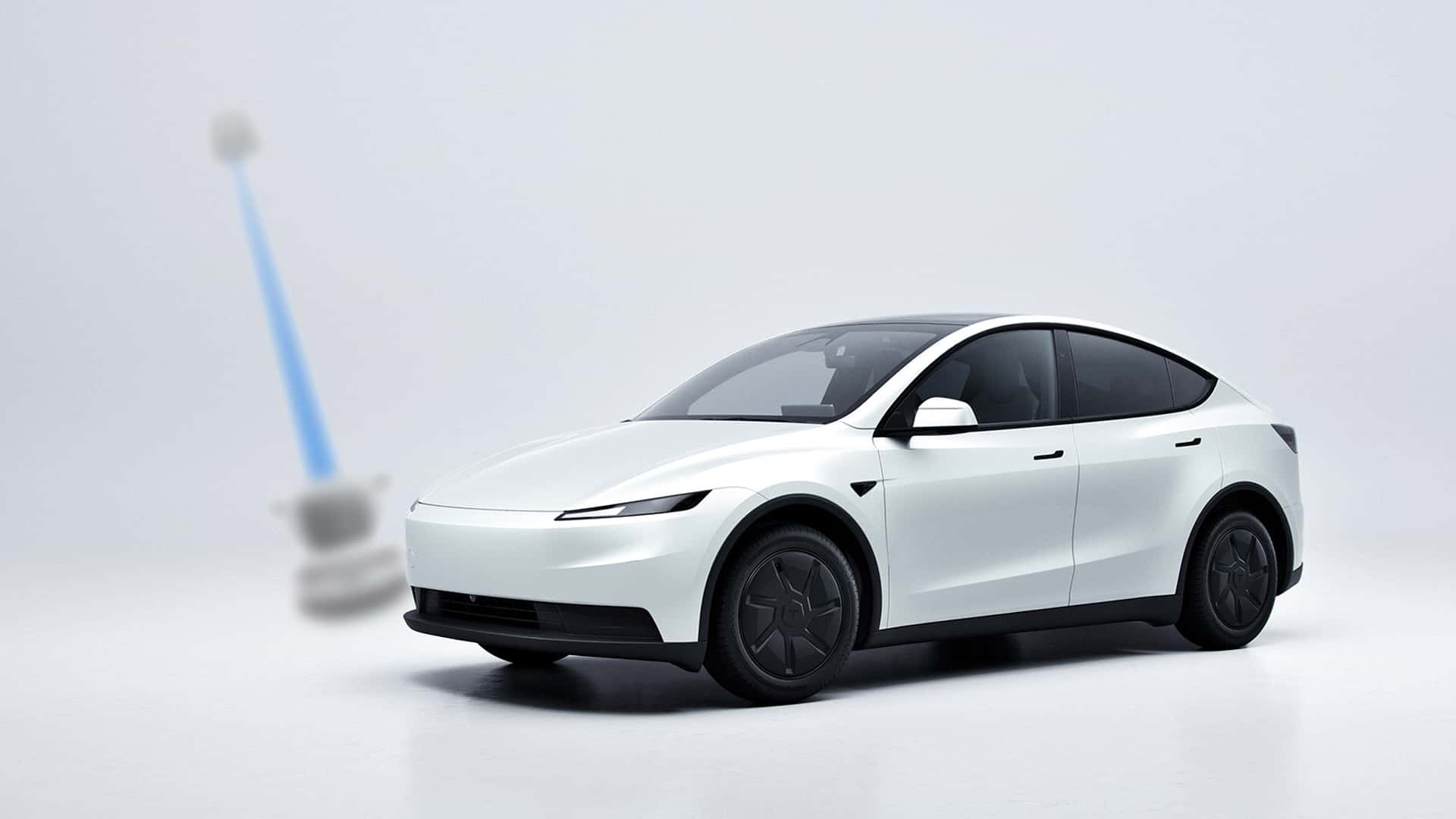
The decision to force Tesla to rename Autopilot comes after years of debate over the feature’s name and capabilities. While Tesla has long maintained that Autopilot is a driver-assistance system and not a self-driving feature, critics argue that the name itself is misleading and gives consumers a false sense of security.
Regulators in California are taking a firm stance on the issue, giving Tesla a clear ultimatum: rename Autopilot or face a sales suspension in the state. This decision could have significant repercussions for Tesla, as California is one of its largest markets.
Tesla has faced similar challenges in other countries, where regulators have also raised concerns about the marketing and capabilities of Autopilot. While the company has been successful in defending itself in some cases, it has also faced setbacks, as seen in China.
The proposed decision by California Administrative Judge Juliet E. Cox has not been made public yet, but the California DMV has already revealed some details. The DMV has ordered a 60-day deadline for Tesla to rename Autopilot, failing which the company could face a 30-day suspension of its dealer license.
It remains to be seen how Tesla will respond to this ultimatum. The company has been known to push back against regulatory scrutiny in the past, but the stakes are high in this case. The future of Autopilot, and potentially Tesla’s sales in California, hang in the balance.
It is clear that the debate over Autopilot is far from over, and Tesla will need to carefully consider its next steps to navigate this regulatory challenge successfully.
The California Department of Motor Vehicles (DMV) has been engaged in a legal battle with Tesla since 2022 over the branding and marketing of its Autopilot and Full Self-Driving features. The DMV has argued that the way Tesla has marketed these features has misled consumers about their actual capabilities. In response, the DMV warned Tesla earlier this year that it would revoke its sales license if it won the court case.
Now, with a ruling from an administrative law judge in hand, the DMV may be moving forward with its threat. According to a statement from Gordon, a representative of the DMV, Tesla is a significant player in the state and the top-selling Model Y in its segment. This leverage through the sales channel is seen as a key factor in getting Tesla to comply with the DMV’s regulations.
Tesla, on the other hand, has maintained that it has clearly communicated the capabilities of Autopilot and Full Self-Driving to consumers and that these features are not autonomous. The company has also argued that California’s lack of action against it earlier implied approval of its branding practices.
The ball is now in Tesla’s court as it decides how to proceed. The company has a history of renaming features, as seen when it rebranded Full Self-Driving as “Intelligent Assisted Driving” in China earlier this year. Whether Tesla will make similar changes to comply with California regulations remains to be seen. Despite reaching out to the company for comment, Tesla typically does not respond to press inquiries.
In conclusion, compliance with the DMV’s regulations may be the easiest path for Tesla to take in order to resolve this ongoing legal battle. With its sales license potentially at stake, the company may have to make adjustments to its branding and marketing strategies to continue operating in California. Only time will tell how Tesla will navigate this challenge and what changes it may make to its Autopilot and Full Self-Driving features.