
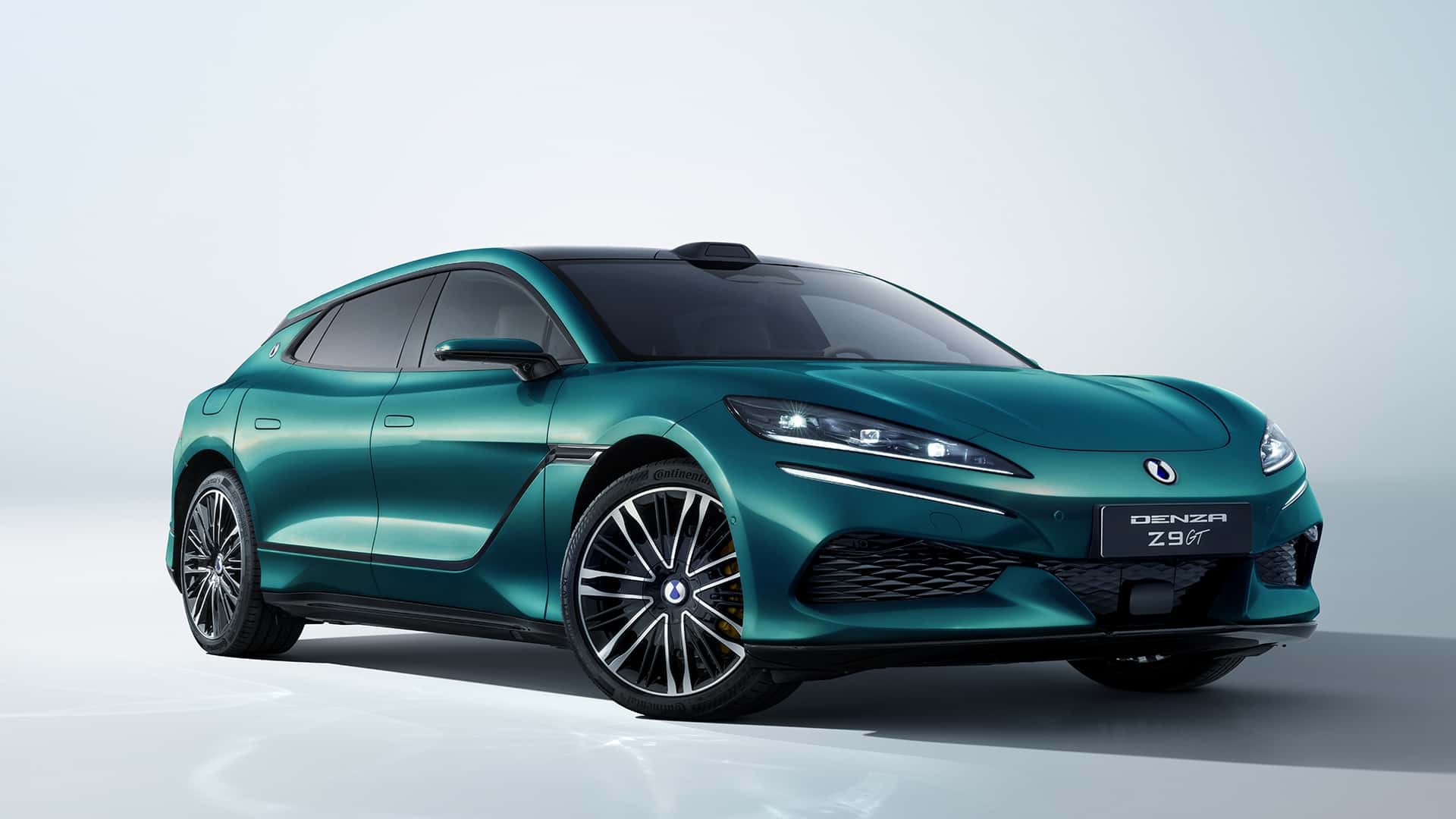
As the Beijing Auto Show prepares to kick off this week, the focus is on bringing value, features, and technology to the table. Chinese automakers are taking aim at Europe’s premium brands and are determined to squeeze foreign competitors out of their home market.
The shift in consumer preference in China is evident in the changing perceptions of Western automakers. What was once a status symbol to own a German car is now seen as a brand for the older generation. Younger car buyers in China are looking for new and tech-savvy options, which legacy auto brands have been slow to provide.
Western automakers have been comfortable with their sales until recent years, allowing them to stick to a typical five-plus-year vehicle lifecycle with minimal changes between model years. However, Chinese brands have been rapidly advancing in the auto manufacturing business and are now offering innovative and tech-forward vehicles that are attracting a new generation of buyers.
Sino Auto Insight’s managing director, Tu Le, bluntly stated that “Detroit’s cash cow is no longer safe.” Chinese automakers like BYD, Geely, and Xiaomi have quickly gained market share that would have previously gone to Western brands. Volkswagen and Buick, once dominant players in China, have seen significant declines in sales as Chinese brands offer more competitive options.
Government incentives have helped Chinese brands dominate the market, especially in the electrified segment with offerings as low as $8,000. The focus has shifted from a price war to a value-for-money war, with Chinese brands cramming the latest technology into their vehicles to offer the best bang for the buck.
The competition is not limited to the entry-level segment, as Chinese brands are now setting their sights on Europe’s premium car companies. With more than one in four new cars in China being fully electric, automakers like Volkswagen are racing to catch up in a market that has evolved rapidly. The Beijing Auto Show will showcase the battle for dominance in the Chinese auto market, as Chinese brands aim to disrupt the status quo and establish themselves as leaders in the industry. The Beijing Auto Show is currently underway, and China is using this platform to showcase their advancements in technology and premium construction, putting traditional German automakers like BMW, Mercedes-Benz, and Porsche on notice. Chinese car manufacturers are stepping up their game and presenting innovative features that were once unrivaled by their European counterparts.
One standout example is the Zeekr 8X, a vehicle equipped with a unique safety feature that can tilt the car upwards just before a collision to provide added protection for passengers. Additionally, CATL, a leading Chinese battery manufacturer, has unveiled a new LFP battery that boasts rapid charging capabilities, promising to deliver an 80% charge in under four minutes. These technological advancements are setting a new standard in the automotive industry and showcasing China’s prowess in innovation.
Furthermore, Chinese automakers are now looking to expand their reach globally, posing a potential threat to established carmakers who have long dominated the market. BYD, for instance, envisions a future where up to half of its sales will come from international markets outside of China. This shift in focus from domestic to global markets could disrupt the status quo and challenge traditional automakers to adapt to the changing landscape of the industry.
While the United States has remained somewhat insulated from the influx of Chinese EVs, neighboring countries like Canada and Mexico are increasingly embracing vehicles from Chinese manufacturers. As a result, American carmakers are starting to feel the pressure from the growing presence of Chinese automakers in the market. With China’s rapid advancements in electric vehicles and emerging technologies, the global automotive industry is undergoing a transformation that could reshape the competitive landscape in the years to come.