
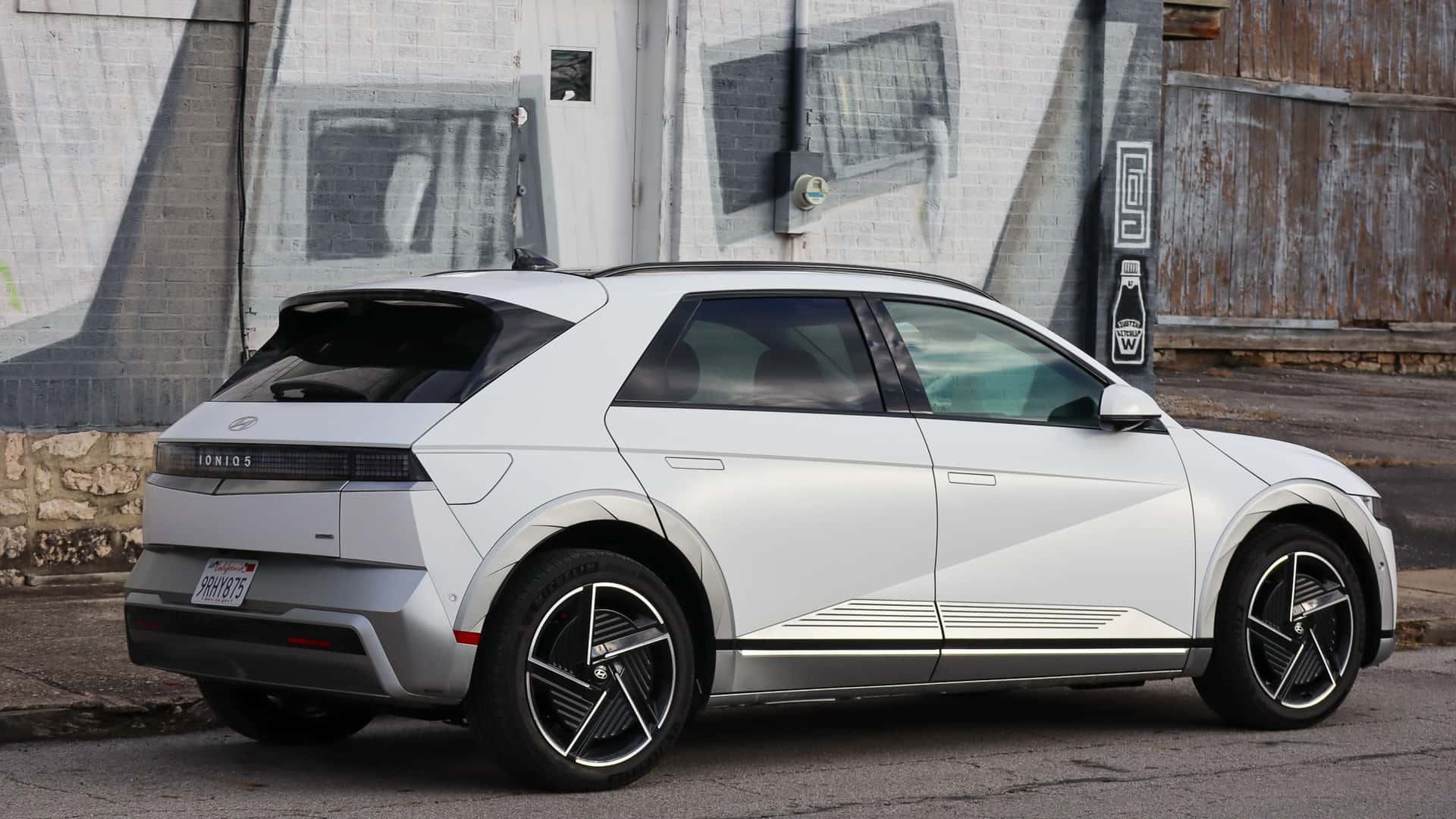
Hyundai has made a bold move in extending the warranty coverage of the Integrated Charging Control Unit (ICCU) in its E-GMP vehicles. This component, responsible for onboard charging and power conversion, has had a well-documented history of failures, prompting the automaker to increase the warranty to an impressive 15 years or 180,000 miles. This move aims to provide customers with peace of mind and assurance that Hyundai stands behind the reliability of its vehicles.
The ICCU plays a crucial role in the functioning of electric vehicles, handling tasks such as DC fast charging, AC charging, and DC-to-DC conversion. Despite its advanced engineering, the component has been plagued by reliability issues, leading to numerous complaints from owners. Hyundai’s decision to extend the warranty period reflects its commitment to addressing these concerns and ensuring customer satisfaction.
In a statement to TorqueNews, Hyundai emphasized its dedication to safety, quality, and long-term reliability. The warranty extension for the ICCU comes at no cost to customers and covers any related symptoms such as warning lights, reduced power, or charging limitations. Owners experiencing issues with their ICCU are encouraged to contact their local Hyundai dealer for diagnosis and support.
While Hyundai has taken proactive steps to address the ICCU problem, sister brand Kia has not yet announced a similar extension. However, a spokesperson mentioned that Kia EV6 owners can expect to be informed of a comparable program in the near future. Despite the warranty extension, some owners and potential buyers feel that the core issue with the ICCU needs to be resolved rather than just covered by an extended warranty.
Feedback from owners on platforms like Reddit indicates that many view the warranty extension as a temporary solution and are calling for a permanent fix to the ICCU problem. Some have reported multiple ICCU replacements and long wait times for parts, leading to frustration and dissatisfaction among customers. The sentiment among some individuals is that Hyundai and Kia should offer a lifetime and unlimited mileage warranty for the ICCU until the underlying issue is resolved.
It’s important to note that Hyundai is not the only automaker facing challenges with components like the ICCU. Tesla has also experienced documented failures with its Power Conversion System (PCS) in vehicles like the Model 3 and Model Y. These issues have prompted Tesla to offer solutions such as free Supercharging for affected owners until the problem is fixed. The industry as a whole continues to grapple with the reliability of critical components in electric vehicles, highlighting the importance of robust quality control and customer support measures. Hyundai has been facing persistent issues with their electric vehicles for quite some time now, despite multiple recalls aimed at resolving the issue. While the company has made efforts to address the concerns of their customers by extending warranties, it seems that the problem is far from being completely solved.
Extending the warranty is a step in the right direction, as it shows that Hyundai is acknowledging the issue and taking responsibility for it. This may provide some reassurance to owners who do not plan on keeping their vehicles for an extended period of time. However, for those who are looking to purchase a used EV, the ongoing problems with Hyundai’s electric vehicles may serve as a red flag.
The fact that Hyundai has not been able to fully resolve the issues with their electric vehicles raises concerns about the company’s ability to compete in the rapidly expanding EV market. Consumers are becoming increasingly aware of the importance of reliability and performance when choosing an electric vehicle, and they may not be willing to wait indefinitely for Hyundai to come up with a permanent solution.
The question now is whether Hyundai will be able to fix the problem before it causes irreparable damage to their reputation in the EV market. With competitors continually improving their electric vehicles and gaining market share, Hyundai cannot afford to lag behind. It is crucial for the company to address the issues with their electric vehicles promptly and effectively in order to regain the trust of their customers and maintain their position in the EV market.