
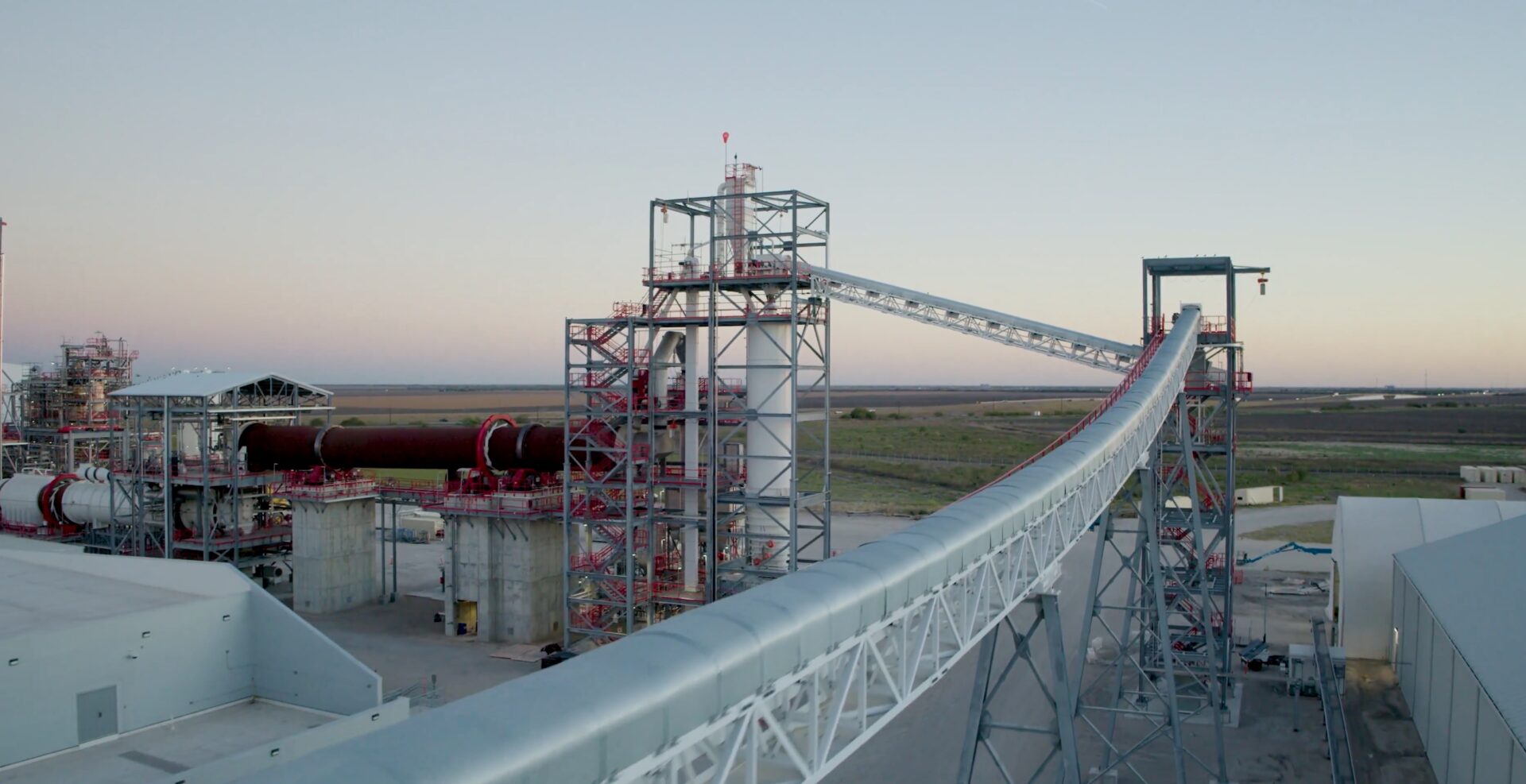
Tesla recently unveiled new details about its cutting-edge lithium refinery, showcasing a groundbreaking approach to refining lithium with a significantly reduced carbon footprint. Elon Musk proudly stated that the refinery was engineered from the ground up with a focus on sustainability and efficiency, utilizing fewer processing steps and chemicals compared to traditional hard rock refineries.
Andrew, the Associate Manager of Environmental, Health & Safety, highlighted that the refinery boasts a remarkable thirty-four percent lower carbon impact than its counterparts. The facility is also designed to incorporate recycled lithium from used batteries, effectively closing the loop in the supply chain and promoting a circular economy.
Jason, the Senior Manager of Site Operations, emphasized that the refinery was meticulously designed to be environmentally friendly. By implementing an alkaline leaching process that is completely acid-free, the facility produces a beneficial byproduct called analcime, which can be used in concrete mixtures instead of fly ash derived from coal burning. This innovative approach not only reduces emissions but also minimizes hazardous waste.
Water conservation is another key aspect of the refinery’s operations, with every drop of water being recycled and treated on-site. Jason assured that the discharged water is continuously monitored and remains clean without any harmful impact on the environment. Additionally, the site features Tesla’s Megapacks, grid-scale battery storage solutions that provide stability and prevent blackouts, showcasing Tesla’s commitment to sustainable energy solutions.
Located in Robstown, Texas, the refinery spans over 1,200 acres in the greater Corpus Christi area and plays a crucial role in Tesla’s efforts to streamline the battery supply chain by processing raw materials locally in North America. The facility’s strategic positioning and eco-friendly practices demonstrate Tesla’s dedication to making a positive impact on both the environment and the local community.
In conclusion, Tesla’s lithium refinery represents a significant step forward in sustainable lithium production, setting a new standard for environmentally conscious practices in the industry. With its innovative technology and commitment to reducing carbon emissions, Tesla continues to drive towards a greener future for energy production and resource management.