
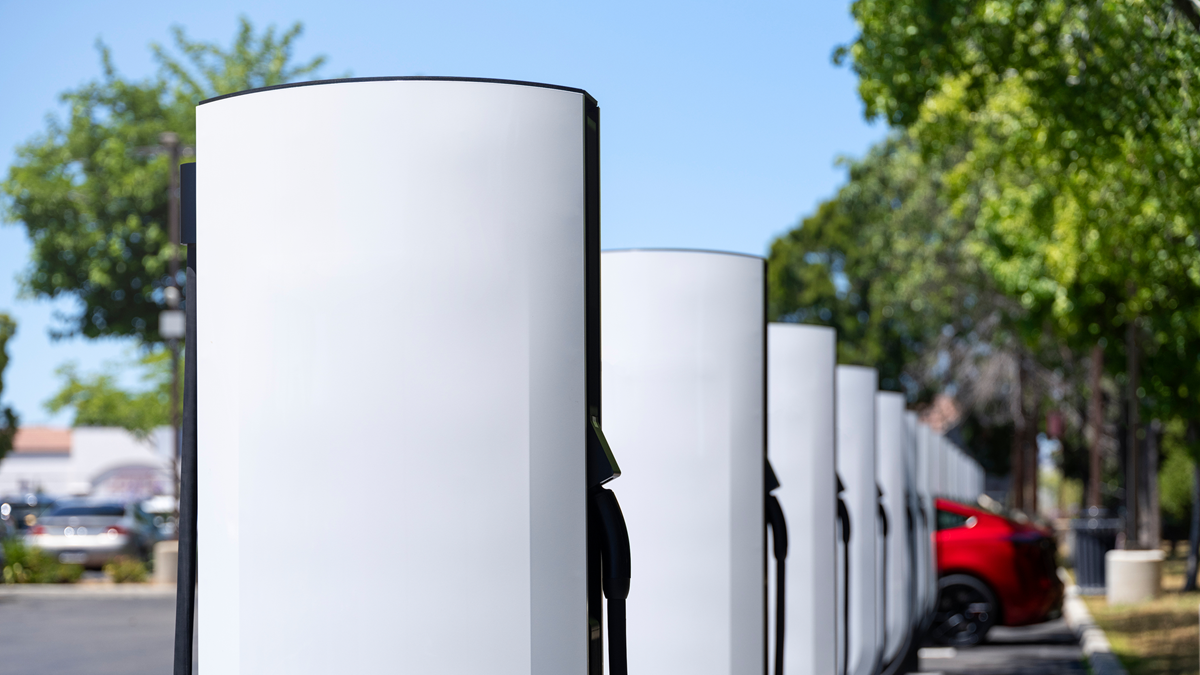
Tesla Charging Reports 2500 new Superchargers, 53 Million Sessions in Q1 2026 as Network Expands
Tesla Charging Q1 2026 data has been released, revealing that a total of 2,500 new Supercharger stalls were opened. This marks a significant 19 percent increase from the previous year’s first quarter. The update, shared by TeslaCharging, highlights the continuous expansion of the Supercharger network to meet the growing demand for electric vehicle charging infrastructure.
The expansion of the Supercharger network is a key component of Tesla’s strategy to support the widespread adoption of electric vehicles. With more Supercharger stalls available, Tesla owners have greater accessibility and convenience when it comes to charging their vehicles on the go. This expansion not only benefits existing Tesla owners but also plays a crucial role in attracting new customers to the brand.
In addition to the 2,500 new Supercharger stalls, the data also reveals that there were a total of 53 million charging sessions in Q1 2026. This significant number underscores the increasing popularity of electric vehicles and the growing demand for charging infrastructure. As more people make the switch to electric vehicles, the need for reliable and efficient charging solutions becomes even more pronounced.
The Supercharger network is a key differentiator for Tesla, offering fast and convenient charging options for Tesla owners. With the continued expansion of the network, Tesla is able to provide a seamless charging experience for its customers, further solidifying its position as a leader in the electric vehicle market.
The data from Q1 2026 demonstrates Tesla’s commitment to expanding and improving its charging infrastructure to meet the needs of its growing customer base. By investing in the Supercharger network, Tesla is not only supporting the transition to electric vehicles but also setting the standard for charging infrastructure in the industry.
Overall, the report on Tesla’s charging infrastructure highlights the company’s dedication to innovation and sustainability. As the demand for electric vehicles continues to rise, Tesla remains at the forefront of the industry, setting a high standard for charging infrastructure and ensuring a seamless experience for its customers. The world of technology is constantly evolving, with new innovations and advancements being made every day. One such innovation that has taken the world by storm is the development of artificial intelligence (AI). AI is a branch of computer science that focuses on creating intelligent machines that can perform tasks that typically require human intelligence, such as visual perception, speech recognition, decision-making, and language translation.
One of the most significant applications of AI is in the field of robotics. Robots are being developed that can perform a wide range of tasks, from manufacturing and assembly to healthcare and customer service. These robots are equipped with AI algorithms that allow them to learn from their environment and make decisions based on that information.
AI is also being used in the healthcare industry to improve patient care and outcomes. AI-powered medical devices can analyze large amounts of medical data to help doctors diagnose diseases, develop treatment plans, and predict patient outcomes. This technology has the potential to revolutionize the way healthcare is delivered and improve patient outcomes.
In the field of transportation, AI is being used to develop autonomous vehicles that can navigate roads and highways without human intervention. These vehicles use sensors and AI algorithms to detect obstacles, pedestrians, and other vehicles on the road, allowing them to drive safely and efficiently. Autonomous vehicles have the potential to reduce accidents and traffic congestion, as well as provide mobility solutions for people who are unable to drive.
AI is also being used in the field of finance to improve decision-making and risk management. AI algorithms can analyze large amounts of financial data to identify trends, make predictions, and optimize investment portfolios. This technology has the potential to revolutionize the financial industry and provide more personalized and efficient services to customers.
While AI has the potential to revolutionize many industries, it also raises ethical and societal concerns. There are concerns about the impact of AI on jobs, privacy, and security, as well as the potential for AI systems to make biased or discriminatory decisions. As AI technology continues to advance, it is important for policymakers, researchers, and industry leaders to work together to address these concerns and ensure that AI is developed and used responsibly.
In conclusion, AI is a powerful and transformative technology that has the potential to revolutionize many industries and improve the quality of life for people around the world. By harnessing the power of AI and addressing its ethical and societal implications, we can unlock new opportunities for innovation and progress in the years to come.