
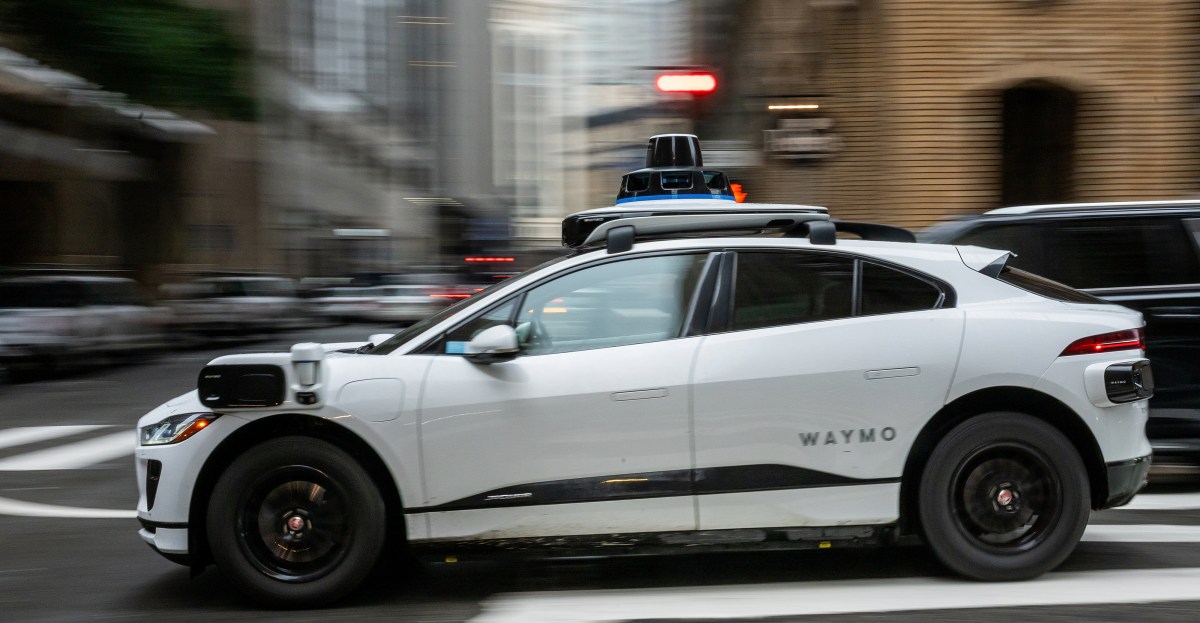
Waymo, the autonomous vehicle company, recently announced that its fleet has traveled over 170 million miles without any serious crashes or injuries, showcasing the superior safety of its technology compared to human drivers. The company’s online safety hub has been updated to reflect these impressive driving figures, highlighting the success of its autonomous vehicles in preventing accidents.
According to Waymo, its vehicles have been involved in 92 percent fewer crashes causing serious injuries or worse, 83 percent fewer crashes triggering an airbag deployment, and 82 percent fewer crashes involving any injury at all compared to human drivers. With a fleet of approximately 3,000 vehicles across 10 cities driving over 4 million miles per week, Waymo claims to be preventing approximately one serious-injury crash every 8 days, further solidifying the argument for the safety benefits of autonomous vehicles.
However, despite these accomplishments, some safety advocates have raised concerns about how Waymo presents its technology to the public. Recent incidents, such as a Waymo vehicle striking a child outside a school in Santa Monica and instances of Waymo robotaxis driving past school buses engaged in student pickups and drop-offs in Austin, Texas, have sparked investigations by the National Transportation Safety Board.
Furthermore, there have been reports of driverless Waymo vehicles blocking emergency vehicles during critical situations, raising questions about the overall safety and effectiveness of autonomous technology. While Waymo has submitted its data for publication in peer-reviewed scientific journals and utilizes colorful charts and graphs on its safety hub to showcase positive outcomes, critics argue that the company may be presenting an incomplete picture of its technology’s safety performance.
In a letter to the Senate Commerce Committee, the Advocates for Highway and Auto Safety highlighted discrepancies in Waymo’s crash data, pointing out that a significant portion of reported crashes involve no passengers, potentially skewing injury rates. The group also questioned Waymo’s miles-driven milestones, emphasizing that the company’s total mileage covered is a small fraction of what human drivers travel in a single year.
Despite these criticisms, Waymo maintains that its technology prioritizes the safety of all individuals involved in the driving environment, including vulnerable road users like pedestrians and cyclists. The company acknowledges the concerns raised by safety advocates and continues to work towards improving the safety and reliability of its autonomous vehicles for the benefit of society. Waymo, the self-driving technology company, has been making headlines recently for incidents involving its autonomous vehicles. One of the main concerns raised by critics is the readiness of the technology, with some pointing to incidents where Waymo vehicles have driven past school buses or onto light rail tracks as evidence of its shortcomings.
John Kildare, a prominent critic of autonomous vehicles, highlighted these incidents as examples of the technology not being quite ready for widespread use. He emphasized that while human drivers may make mistakes like driving onto train tracks, the expectation is that autonomous vehicles should perform better, especially considering the billions of dollars invested in training and development.
Kildare’s comments underscore the challenges that Waymo and other companies in the autonomous driving space face as they work to perfect their technology. While significant progress has been made in recent years, incidents like these serve as a reminder that there is still work to be done to ensure the safety and reliability of self-driving vehicles.
Critics like Kildare are calling for more rigorous testing and oversight of autonomous vehicle technology to address these concerns. They argue that until these issues are fully resolved, autonomous vehicles should not be deployed on public roads where they could potentially put pedestrians and other road users at risk.
In response to these criticisms, Waymo has reiterated its commitment to safety and stated that incidents like those mentioned by Kildare are rare and that the company is constantly working to improve its technology. They have also emphasized the potential benefits of autonomous vehicles, such as reducing accidents caused by human error and improving transportation efficiency.
As the debate over the readiness of autonomous vehicles continues, it is clear that more testing, development, and oversight will be crucial in ensuring that this technology can fulfill its promise of safer and more efficient transportation. Only time will tell if companies like Waymo can address these concerns and successfully bring self-driving cars to the mass market. Title: The Impact of Social Media on Mental Health
In today’s digital age, social media has become an integral part of our daily lives. With platforms like Facebook, Instagram, Twitter, and TikTok, we are constantly connected to others and exposed to a barrage of information and content. While social media has its benefits, such as staying connected with friends and family and keeping up to date with current events, it also has a significant impact on our mental health.
One of the major ways in which social media affects our mental health is through comparison. When we scroll through our feeds, we are bombarded with carefully curated images and posts from others, showcasing the highlights of their lives. This can lead to feelings of inadequacy and low self-esteem as we compare ourselves to others and feel like we are not measuring up. This phenomenon, known as “social comparison,” can contribute to anxiety, depression, and other mental health issues.
Social media also has the potential to amplify feelings of loneliness and isolation. While it may seem like we are more connected than ever, studies have shown that excessive use of social media can actually lead to feelings of loneliness and social isolation. This is because online interactions lack the depth and intimacy of face-to-face interactions, leading to a sense of disconnection and alienation.
Furthermore, social media can also be a breeding ground for cyberbullying and harassment. With the anonymity that the internet provides, individuals may feel emboldened to engage in harmful behavior towards others. This can have devastating effects on the mental health of the victims, leading to feelings of shame, guilt, and worthlessness.
On the flip side, social media can also be a source of support and community for those struggling with mental health issues. There are countless online communities and resources dedicated to mental health awareness and support, allowing individuals to connect with others who may be going through similar challenges. This can provide a sense of belonging and validation, helping to reduce feelings of isolation and stigma.
In conclusion, while social media has its pros and cons, it is important to be mindful of its impact on our mental health. Setting boundaries around our social media use, practicing self-care, and seeking support when needed are all crucial steps in maintaining our mental well-being in the digital age. By being conscious of how social media affects us, we can strive to create a healthier relationship with technology and prioritize our mental health. Experts have long debated the effects of climate change on our planet, but recent research has shed new light on just how dire the situation has become. A study published in the journal Nature Climate Change has found that the Earth is warming at a faster rate than previously thought, with the planet on track to reach a temperature increase of 1.5 degrees Celsius above pre-industrial levels by as early as 2030.
This new research is particularly concerning because the 1.5 degree Celsius threshold is seen as a critical tipping point for many of the Earth’s ecosystems. Beyond this point, scientists warn that the impacts of climate change could become increasingly severe, with more frequent and intense heatwaves, droughts, and extreme weather events.
The study also highlights the urgent need for immediate and drastic action to curb greenhouse gas emissions and prevent further warming of the planet. Without significant reductions in emissions, the Earth could reach a temperature increase of 2 degrees Celsius as early as 2040, leading to even more severe consequences for the environment and human health.
One of the key findings of the study is the role of feedback loops in accelerating climate change. As the Earth warms, ice sheets melt, releasing more greenhouse gases into the atmosphere and further exacerbating global warming. This positive feedback loop could lead to a runaway effect, where temperatures continue to rise uncontrollably.
The research emphasizes the importance of global cooperation in addressing climate change, with a focus on reducing emissions from fossil fuels, transitioning to renewable energy sources, and protecting and restoring ecosystems that act as carbon sinks. Governments, businesses, and individuals all have a role to play in mitigating the impacts of climate change and ensuring a sustainable future for generations to come.
In conclusion, the findings of this study underscore the urgent need for action to address climate change and prevent further warming of the planet. With the Earth on track to reach a temperature increase of 1.5 degrees Celsius by 2030, time is running out to make the necessary changes to protect our planet and secure a livable future for all.