
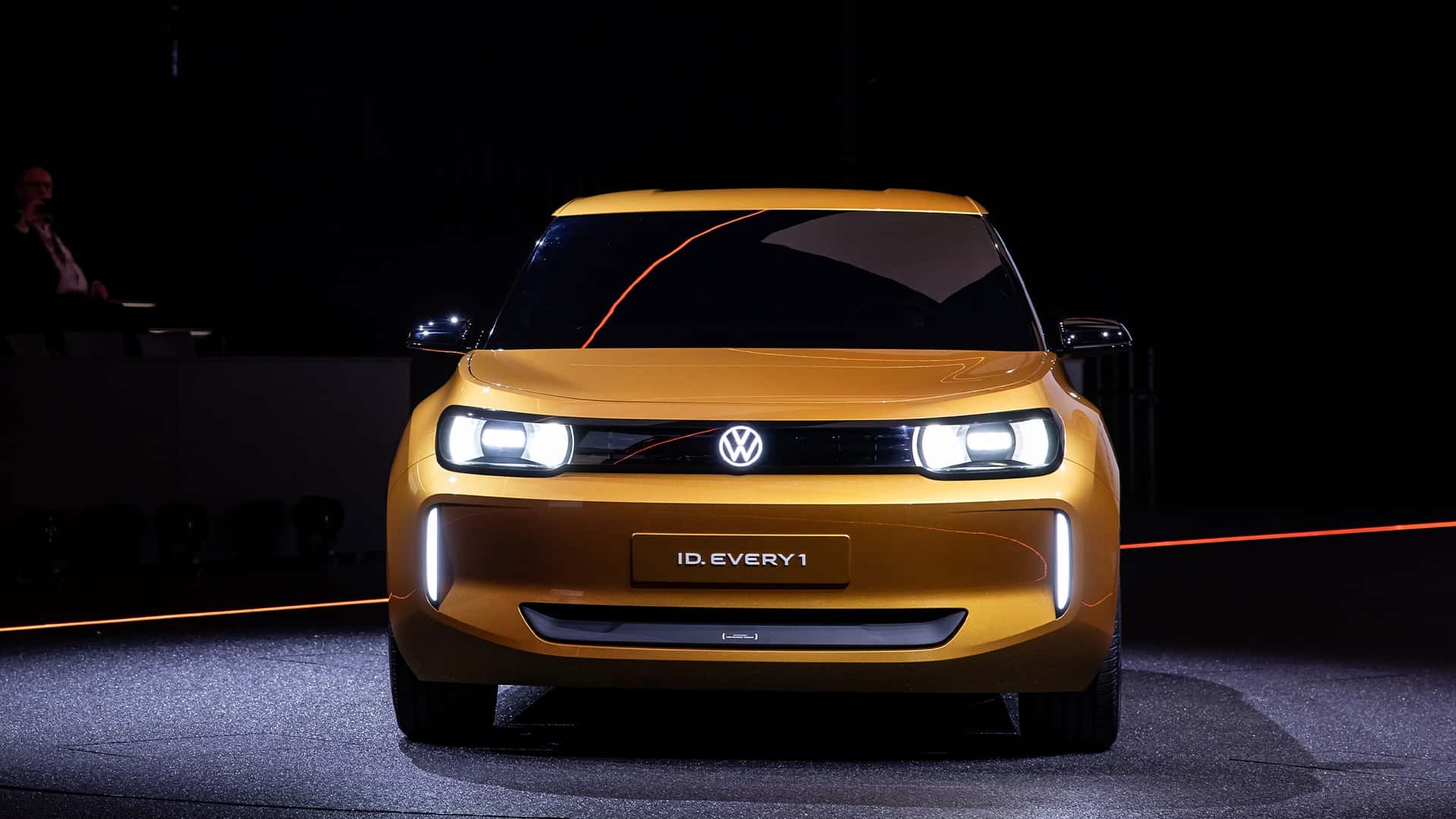
The electrification journey for automakers has been filled with ups and downs, as they strive to make electric vehicles (EVs) profitable and competitive with traditional combustion engine cars. Volkswagen (VW) is one such company that is determined to forge ahead on this path, despite the challenges.
Recently, VW disclosed that its EVs are not yet as profitable as its gas-powered vehicles, and the company doesn’t anticipate comparable profit margins until at least 2030. This projection is heavily reliant on VW’s transition to its new Scalable Systems Platform (SSP), which aims to reduce production costs by up to 20%. Currently, VW expects to achieve an overall operating margin of between 4% and 5.5% by 2026.
During VW Group’s first-quarter earnings call, CFO Arno Antlitz emphasized the importance of the SSP platform for achieving similar profit margins between EVs and gas vehicles. Antlitz mentioned, “We expect the margin to be fully comparable only with our future SSP platform.” The SSP platform is set to replace VW’s existing MEB and PPE EV architectures, which underpin various models across the VW, Audi, and Porsche brands.
The SSP platform is anticipated to lower production costs significantly compared to the MEB platform, with a targeted reduction of 20%. Although originally planned for a sooner debut, the SSP platform is now expected to launch by the end of the decade. Antlitz highlighted VW’s progress in improving EV profitability, which will enable the company to meet Europe’s CO2 targets without compromising profits.
One example of VW’s efforts to enhance EV profitability is the utilization of cheaper lithium iron phosphate batteries and a cell-to-pack battery layout in vehicles based on the modified MEB Plus platform. Antlitz explained that this approach has helped minimize the margin dilution effect, with models like the ID.2 Cross achieving approximately 70-80% of the profit margins of their gas-powered counterparts.
Looking ahead, Oliver Blume, CEO of the Volkswagen Group, has outlined a strategic plan to achieve company-wide profit margins of between 8% and 10% by 2030. This ambitious goal underscores VW’s commitment to driving innovation, reducing production costs, and ultimately making electric mobility a sustainable and profitable venture for the company. Volkswagen Group’s CEO, Blume, emphasized in the company’s 2025 annual report to shareholders the importance of strict cost and investment discipline moving forward. This strategic approach is aimed at ensuring long-term sustainability and profitability for the company amidst challenging market conditions.
Despite Blume’s assurances, the Volkswagen Group has faced significant challenges in recent years. The company experienced a 10% decline in North American sales and an 8% decline in China, which are the two largest automotive markets in the world by volume, in 2025. These setbacks have put pressure on the company to improve its financial performance and regain market share in key regions.
During a recent conference call, Blume revealed that Volkswagen is projecting an annual margin of between 4% and 5.5% for 2026, a significant improvement from the 2.8% margin recorded in 2025. This indicates that the company is focused on implementing measures to enhance operational efficiency and drive profitability in the coming years.
One area of concern for Volkswagen has been the narrow profit margins associated with its electric vehicles (EVs). This has prompted many Western automakers to prioritize the production of high-dollar, high-margin EVs such as trucks and SUVs before introducing more affordable models. Additionally, automakers are increasingly exploring opportunities to generate additional revenue through software integration and subscription-based services.
In conclusion, Volkswagen Group’s commitment to cost and investment discipline will be crucial in navigating the challenges of the automotive industry and achieving sustainable growth. By focusing on improving margins, optimizing operations, and capitalizing on emerging trends in the market, the company aims to secure its position as a leading player in the global automotive sector.