
However, we believe that, in Europe, the future is fully electric. This is our conviction,” he stated. The company is committed to pushing forward with its electrification efforts and believes that consumers will ultimately see the benefits of electric vehicles over gas-powered ones.
Volkswagen’s stance on the potential ban of combustion engines is clear: they believe that the market will naturally shift towards electric vehicles as people realize the advantages they offer. Just as gas cars became the preferred mode of transportation over horses, EVs will eventually replace gas-powered vehicles.
Sanders emphasized the importance of removing barriers to electric vehicle adoption, such as improving charging infrastructure, educating consumers on the benefits of EVs, and potentially addressing energy prices. By focusing on these areas, Volkswagen aims to convince more customers to make the switch to electric vehicles.
The comparison between gas cars and horses has been a recurring theme in discussions about the future of transportation. RJ Scaringe, CEO of Rivian, also touched upon this analogy, likening buying an ICE vehicle to building a horse barn in 1910. The shift towards electric vehicles is seen as inevitable, and automakers like Volkswagen are preparing for this transition.
While the European Union had initially planned to ban the sale of new combustion-engine cars by 2035, this initiative was later modified to allow a limited number of gas-burning models to continue being sold. Volkswagen is adapting to these changing regulations by expanding its lineup to include a mix of combustion, hybrid, and electric models.
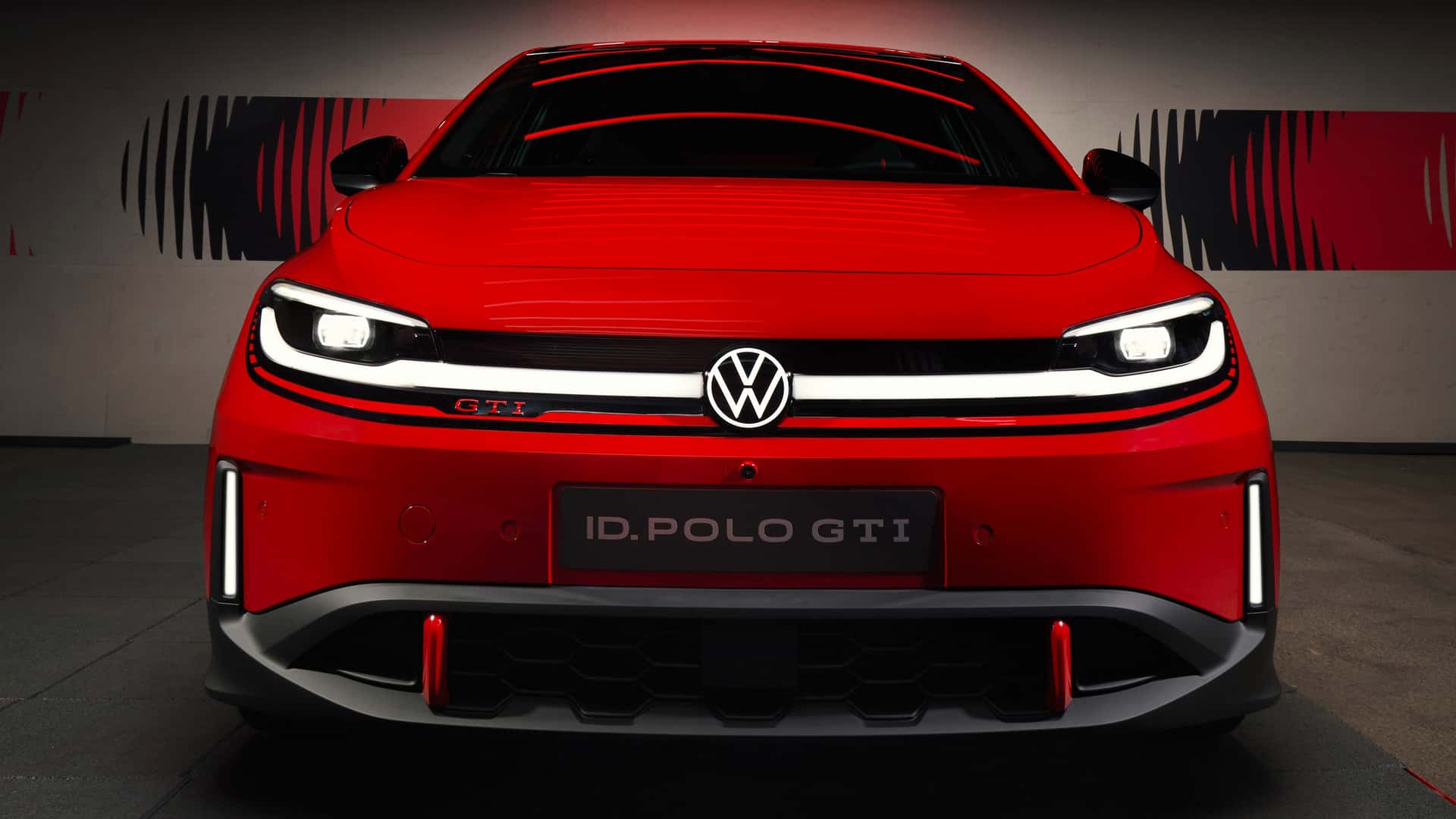
With the recent introduction of the ID. Polo electric hatchback and updates to the ID.4 crossover, Volkswagen is making significant strides in its electrification efforts. The company remains committed to its goal of transitioning to fully electric vehicles in Europe and believes that consumers will ultimately see the benefits of making the switch. In Germany and Europe, the automotive industry is facing a major shift towards electric vehicles. With the recent decision by the European Union not to ban gas cars by 2035, automakers like Mercedes are feeling the pressure to adapt to the changing market dynamics.
In a recent interview, a Mercedes executive expressed concerns about the company’s competitiveness in the face of this transition. He mentioned that while Mercedes has a strong product range, the uncertainty surrounding the future of gas cars in Europe is making it difficult to plan for the long term.
The decision by the EU to drop the 2035 gas car ban has left many automakers in a state of flux. Companies like Ford and Volkswagen are also grappling with how to navigate this new landscape. Ford, for example, has recently started production of electric vehicles in Cologne, Germany, signaling a shift towards cleaner technologies.
Volkswagen, on the other hand, is focusing on bringing back a sense of nostalgia with its first electric GTI model. The company aims to capture the essence of old-school driving experiences while embracing the future of electric mobility.
Overall, the automotive industry in Germany and Europe is at a crossroads. The decision not to ban gas cars by 2035 has created a sense of uncertainty, but it has also opened up new opportunities for innovation and growth. Automakers like Mercedes, Ford, and Volkswagen are all working towards adapting to this new reality and staying competitive in a rapidly changing market.