
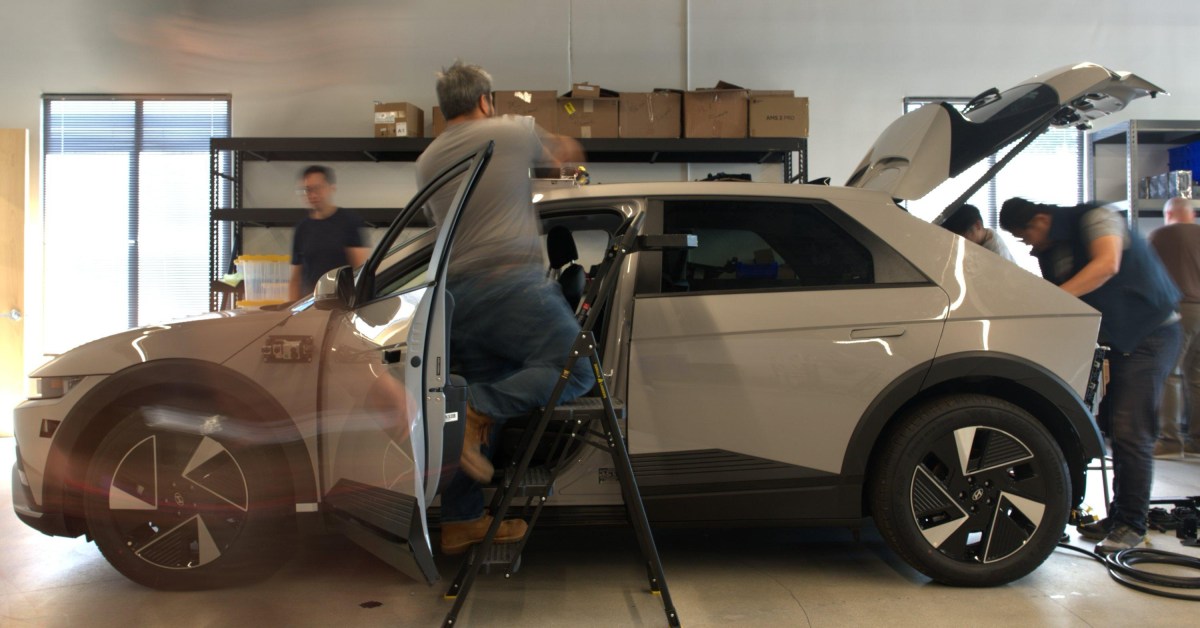
Uber has announced a new project called the AV Lab, where it will be putting its own autonomous vehicles back on the road to collect data for its robotaxi partners. These vehicles will be equipped with all the necessary sensors for self-driving cars, such as cameras, lidar, and radar. However, they will not be operating as robotaxis themselves; instead, they will be gathering valuable data for Uber’s numerous robotaxi partners.
This move by Uber is significant, especially considering the company’s troubled history with self-driving cars. In 2020, Uber sold off its AV division after one of its self-driving cars was involved in a fatal accident in Tempe, Arizona. Since then, Uber has shifted its focus to forming partnerships with various AV startups, aiming to be the leading platform for the technology rather than a developer.
The AV startups that Uber partners with are in need of data to improve their autonomous vehicles. To meet this demand, Uber is deploying a fleet of vehicles with the necessary hardware for autonomous driving on its ridehail network. These vehicles will be manually driven, generating revenue and completing regular Uber trips. Balaji Krishnamurthy, Uber’s chief financial officer, stated that these vehicles will also be exposed to a wide range of driving scenarios, helping them accumulate valuable data as they fulfill 40 million trips daily.
Krishnamurthy estimated that AV operators require at least 10 million miles of data to launch their first public driverless service. To achieve this goal, Uber’s new AV lab fleet aims to generate at least 2 million miles of data each month by the end of the year, with plans to scale up further in 2027.
The project kicks off with a single Hyundai Ioniq 5 vehicle, but Uber executives have indicated that they are open to using different models in the future. The driving data collected will be shared for free with Uber’s partners, which include companies like Wayve, WeRide, Nuro, Waabi, and others. This initiative recognizes that many AV developers may not have the financial resources of leading companies like Waymo and Tesla and could benefit from assistance in offsetting the costs associated with launching a commercial service.
Earlier this year, Uber also launched the Uber Autonomous Solutions project, offering various services to its robotaxi partners, including training data from its fleet of test vehicles in multiple cities. This data can help partners enhance their own autonomous vehicles and accelerate the growth of their robotaxi business.
In conclusion, Uber’s AV Lab project represents a strategic move to support its robotaxi partners by providing valuable data collected from its own autonomous vehicles. By leveraging its extensive ridehail network and expertise in autonomous driving technology, Uber aims to facilitate the development and deployment of safer and more efficient self-driving vehicles in the future.