
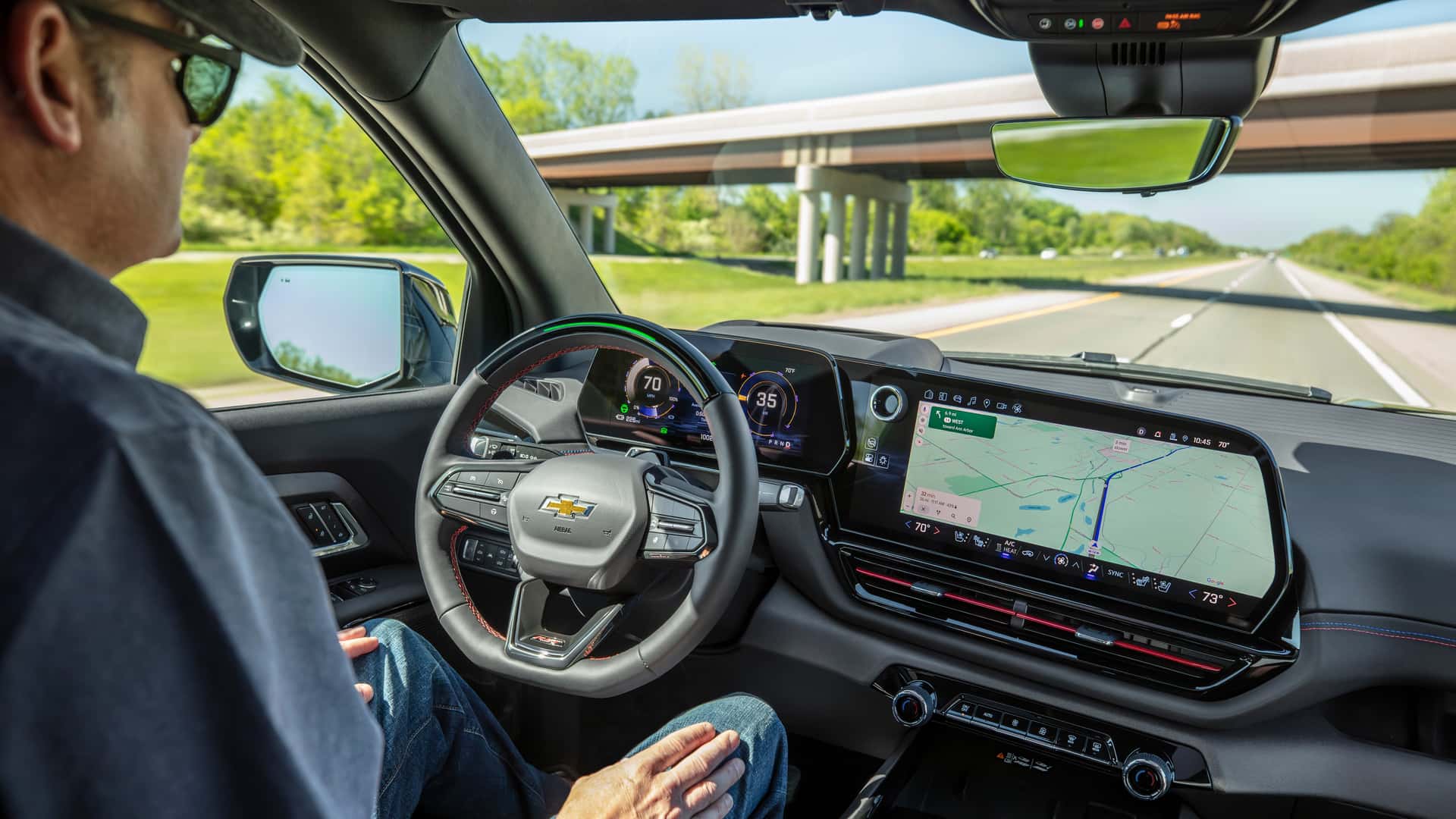
Americans are increasingly interested in hands-free driving features for their next car, with a recent study from AutoPacific revealing that it is now the most in-demand car feature. This marks a significant shift in consumer preferences, as last year’s top spot was held by wireless charging pads for smartphones.
Hands-off, eyes-on driver-assistance systems are essentially like cruise control on steroids. They allow a car to stay in its lane, keep up with traffic, and even perform automatic lane changes on approved highways, all while the driver keeps a watchful eye. Examples of such systems include GM’s Super Cruise and Ford’s BlueCruise, which are gaining popularity among consumers.
The study found that 43% of Americans planning to buy a new car in the next three years are interested in hands-free driving features, a significant increase from previous years. This growing demand can be attributed to the exposure consumers have had to these technologies in their own cars and through friends, leading to increased confidence and comfort with such features.
While the desire for hands-free driving capabilities is high, the reality is that fully autonomous driving is not yet available in consumer vehicles. The closest system currently on the market is Mercedes-Benz Drive Pilot, which operates in specific weather conditions and on select highways in California and Nevada.
Overall, consumers are becoming more comfortable with the idea of their cars taking over some or all control, as evidenced by the increased interest in ADAS features. Younger buyers, who are more tech-savvy, are particularly drawn to these technologies. As a result, features like rearward automatic emergency braking and fully autonomous highway and city driving are also gaining popularity.
Despite the growing demand for hands-free driving features, it is important to note that no car currently allows drivers to completely disengage while on the road. However, advancements in technology and consumer comfort with these systems suggest that fully autonomous driving may become a reality in the near future.
In conclusion, the shift towards hands-free driving features signals a changing landscape in the automotive industry, with consumers increasingly seeking advanced technologies to enhance their driving experience. As these technologies continue to evolve and become more widespread, we can expect to see further developments in the realm of autonomous driving.