
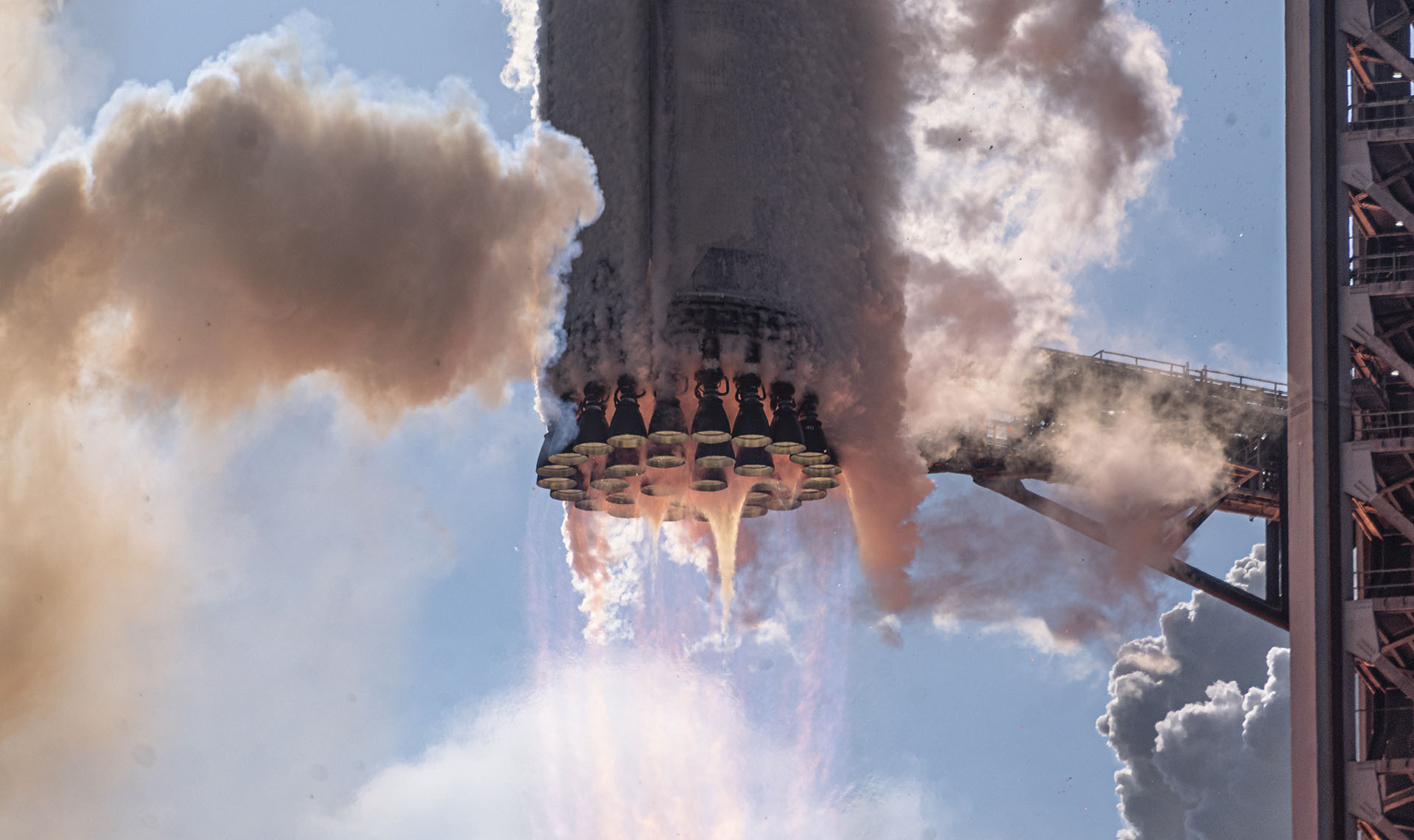
SpaceX’s Starship Flight 12 Super Heavy rocket booster encountered an anomaly during a testing mission on May 22, as reported by the US Federal Aviation Administration (FAA). The anomaly occurred during the landing phase of Booster 19, prompting the FAA to request a mishap investigation from SpaceX.
During the live coverage of the Flight 12 launch, it was observed that the Booster 19 shut down all of its engines unexpectedly after stage separation, leading to uncontrolled velocity and attitude during landing. Despite the anomaly, the rocket managed to land in the Gulf of America as intended for a splashdown landing. However, the engine malfunction resulted in a hard splashdown landing instead of a soft one.
The FAA classified this event as an anomaly, causing several departure delays, airborne holding events, and no aircraft diversions. As a result, the FAA mandated a mishap investigation, which SpaceX is required to conduct under FAA oversight.
SpaceX released landing videos of the upper stage Flight 12 Starship 39 spacecraft but did not share similar footage for the lower stage Super Heavy Booster 19. This decision may reflect the severity of the anomaly during the landing.
Mishap investigations are standard procedures for commercial space companies, and SpaceX must satisfy the FAA with mitigation strategies before resuming Starship launches. The investigation process can take weeks to months to complete before SpaceX can launch another Starship.
In a similar instance, the FAA recently closed a mishap investigation on Blue Origin’s NG-3 Mission, which took place on April 19. Stay tuned for updates on SpaceX, Starship, and future launches by following us on Google News, Twitter, Flipboard, WhatsApp Channel, and RSS Feedly.
As mishap investigations are conducted and resolved, SpaceX will work towards ensuring the safety and success of future missions. The integration of mishap investigations into the space industry is essential for continuous improvement and innovation in space exploration.