
Hyundai and Kia have been making significant strides in the electrified vehicle market, with hybrids playing a crucial role in their sales success. Last month, Hyundai set a new U.S. sales record, with 22,357 units of electrified models accounting for a third of their total sales. This represents a 56% increase in electrified vehicle sales, driven primarily by hybrid trims of popular models like the Sonata, Santa Fe, Tucson, and Elantra.
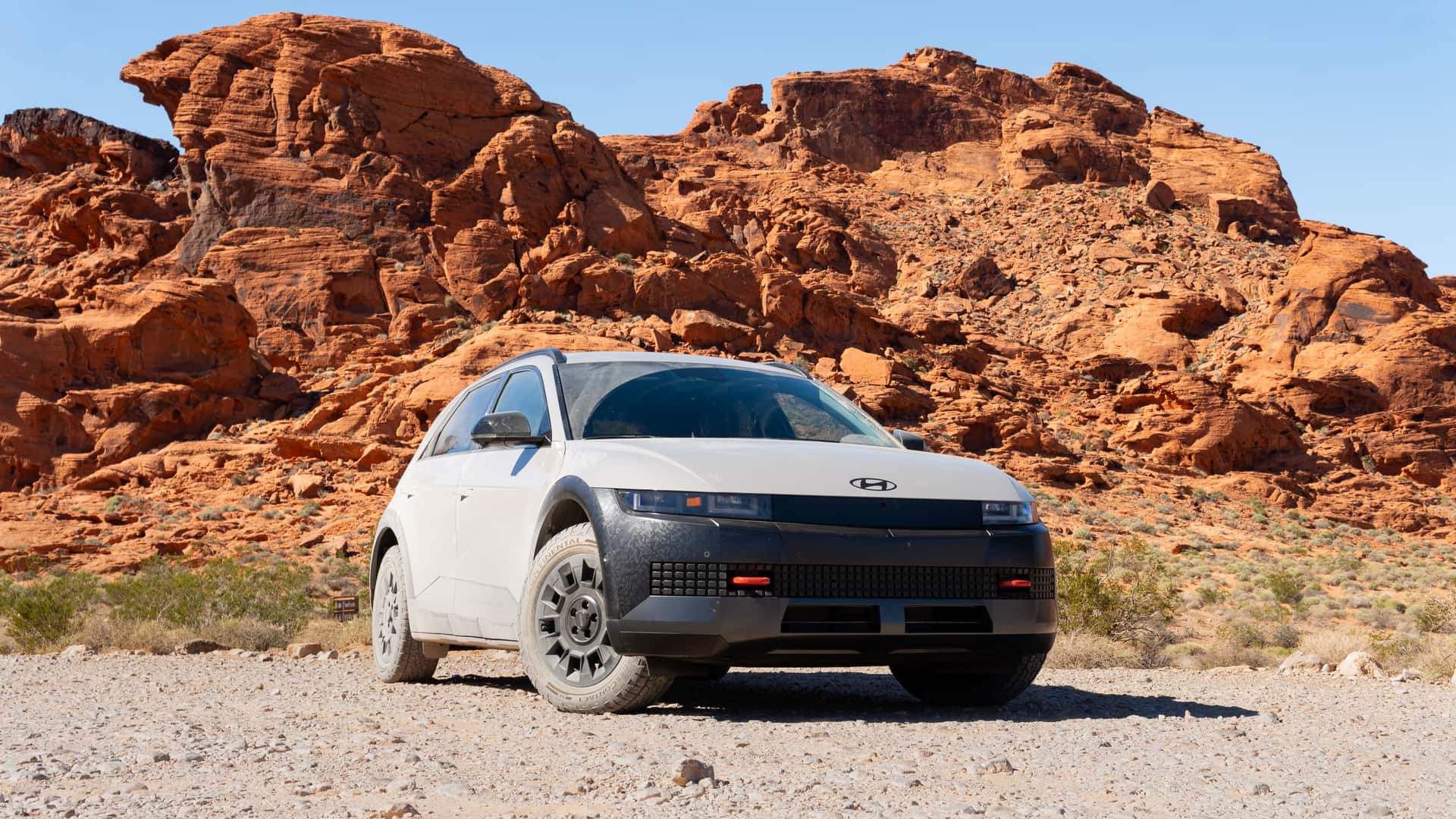
The Ioniq 5, Hyundai’s flagship electric crossover, continues to lead the brand’s EV offensive. Despite the expiration of the federal EV tax credit, sales of the Ioniq 5 saw a significant rebound last month, with 3,239 units sold, marking a 33% increase year-over-year. This strong performance is the best the Ioniq 5 has seen in the past five months, showcasing its growing popularity among consumers.
Following the end of the EV tax credit, Hyundai responded by reducing the starting price of the Ioniq 5 by up to $9,800, making it more accessible to potential buyers. In addition to the price cut, qualified buyers can take advantage of 0% APR financing, competitive lease rates, and dealer discounts, further incentivizing the purchase of the electric crossover.
While the Ioniq 5 has seen a resurgence in sales, not all models in Hyundai’s EV lineup have experienced the same level of success. However, with the brand’s continued focus on electrification and the growing popularity of hybrids, Hyundai and Kia are well-positioned to capitalize on the evolving market trends and consumer preferences. In February, Hyundai sold just 229 units of the Ioniq 6 and 505 units of the Ioniq 9 in the United States. These numbers may seem modest compared to other sales figures, but they are reflective of the overall trend in the industry towards electric vehicles (EVs) and hybrids.
Kia, on the other hand, set a new U.S. sales record in February with 66,005 units sold, marking a 4% year-over-year increase. While hybrid sales saw a significant 53% surge, EV sales continued to lag behind. Kia only managed to sell 600 units of the EV6 and 819 units of the EV9 during the same period.
When looking at the sales composition of Hyundai and Kia, it is evident that hybrids are becoming a more dominant force in their lineups, similar to Toyota. Both brands offer a wide range of hybrid options across their core models, catering to consumers who are looking for more fuel-efficient alternatives.
Despite the modest sales figures for their EV models, Hyundai and Kia have some of the strongest EV lineups in the market. With a continued focus on innovation and sustainability, both brands are well-positioned to capitalize on the growing demand for electric vehicles in the future.
Overall, while the sales numbers for the Ioniq 6, Ioniq 9, EV6, and EV9 may not be groundbreaking, they do indicate a shift towards more sustainable transportation options. As the industry continues to evolve, Hyundai and Kia are likely to play a significant role in shaping the future of mobility with their innovative and eco-friendly vehicle offerings.