
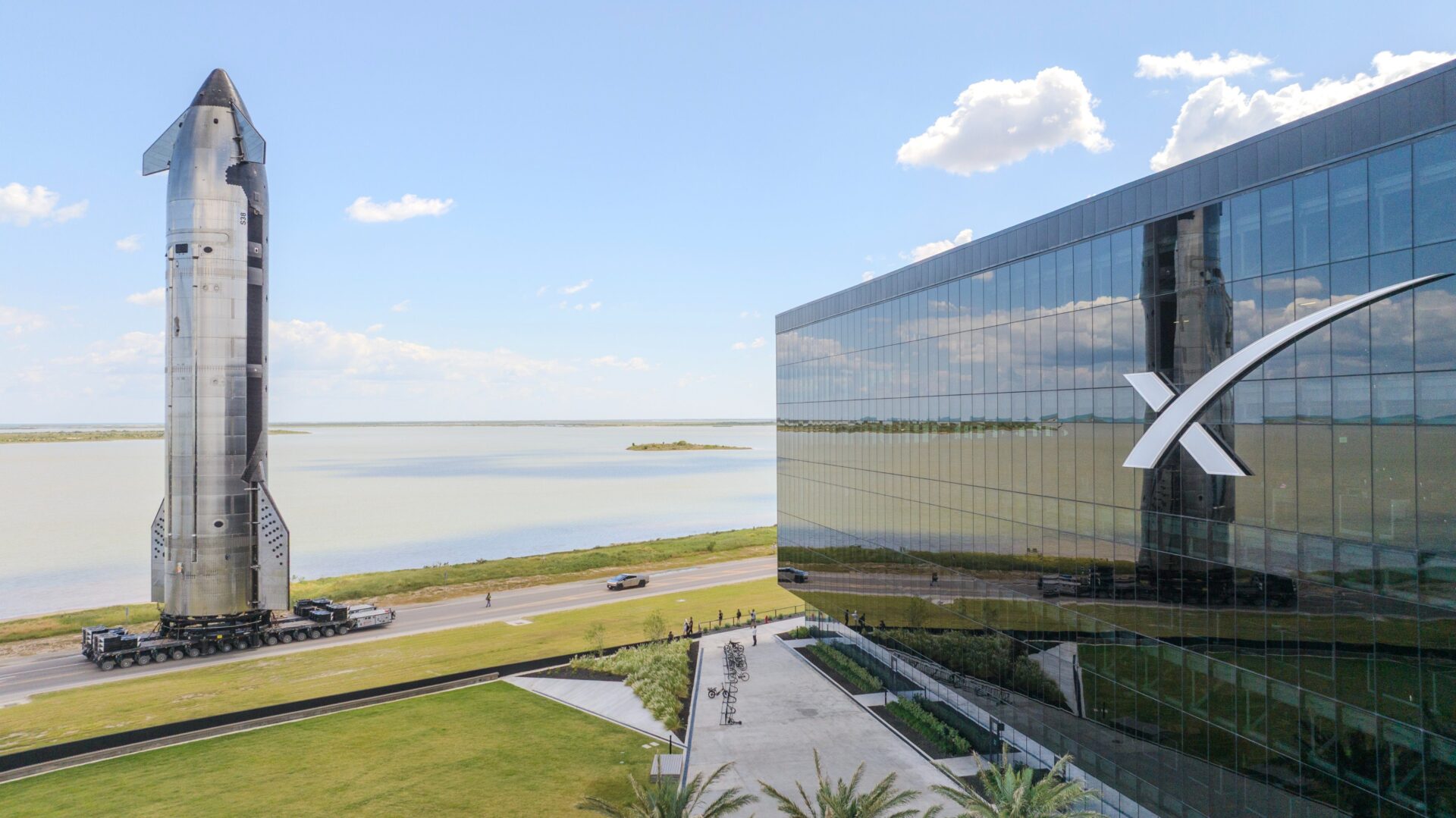
SpaceX has recently scored a significant victory with the U.S. military, securing $739 million in launch contracts related to missile warning and tracking missions for the U.S. Space Force. The contracts were awarded by the U.S. Space Force’s Space Systems Command (SSC) as part of the National Security Space Launch (NSSL) Phase 3 Lane 1 task orders. These contracts aim to bolster America’s missile defense capabilities and encompass a total of nine launches to support missions for the Space Development Agency (SDA) and the National Reconnaissance Office (NRO).
One of the task orders, known as SDA-2, will see SpaceX conducting three launches starting in the fourth quarter of fiscal year 2026. These missions will deploy 18 Tranche 2 Tracking Layer satellites manufactured by L3Harris, along with eight Fire-control On Orbit-support-to-the-warfighter (F2) satellites developed by Millennium Space Systems. Additionally, SpaceX secured additional launches under the SDA-3 task order, which includes two launches slated for the third quarter of fiscal year 2027 to deploy another 18 Tranche 2 Tracking Layer satellites produced by Lockheed Martin. The company also clinched the NTO-5 task order supporting an NRO mission set, with launches scheduled for the first quarter of fiscal year 2027 and the second quarter of fiscal year 2028.
Colonel Matt Flahive, system program director for Launch Acquisition at the U.S. Space Force, emphasized the importance of these task orders in delivering national defense capabilities to the joint force efficiently and cost-effectively. These awards further solidify SpaceX’s position as a critical partner for the Department of Defense, especially in the realm of missile tracking and warning systems, which are becoming increasingly vital to national defense strategy.
It is worth noting that SpaceX’s competitors did not secure any contracts during this round of awards, highlighting the company’s growing dominance in U.S. military launch contracts. This achievement follows SpaceX’s $714 million Pentagon deal for national security launches last fall. Interestingly, the Trump administration had reportedly considered cutting federal contracts held by SpaceX last summer, but ultimately deemed them too essential to eliminate. With SpaceX’s pivotal role in national defense strategy, the company’s contributions are more crucial than ever.
In addition to its military contracts, SpaceX continues to make headlines with its Starlink satellite internet service, which recently received a massive green light from U.S. regulators to double its satellite fleet. This approval from the Federal Communications Commission (FCC) could significantly impact the future of satellite internet and mobile connectivity. SpaceX’s Starlink division has also made public appeals to launch its satellite internet service in regions like South Africa, underscoring the company’s commitment to expanding global connectivity through innovative technology. The rising popularity of plant-based diets has been a hot topic in recent years, with more and more people choosing to adopt a vegetarian or vegan lifestyle. This shift towards plant-based eating is not only a personal choice but also has significant benefits for both our health and the environment.
One of the main reasons why people are choosing plant-based diets is due to the numerous health benefits associated with it. Plant-based diets are typically high in fiber, vitamins, minerals, and antioxidants, all of which are essential for maintaining good health. Studies have shown that individuals who follow a plant-based diet have lower rates of heart disease, obesity, diabetes, and certain types of cancer. Additionally, plant-based diets are often lower in saturated fats and cholesterol, which can help improve overall heart health.
In addition to the health benefits, plant-based diets are also more sustainable and environmentally friendly compared to traditional meat-based diets. Animal agriculture is a leading cause of deforestation, water pollution, and greenhouse gas emissions. By reducing our consumption of animal products and opting for plant-based alternatives, we can help reduce our carbon footprint and contribute to a more sustainable future.
Furthermore, plant-based diets are also more ethical as they help reduce the suffering of animals raised for food. Many people choose to follow a plant-based diet for ethical reasons, as they believe in treating animals with compassion and respect.
There are numerous plant-based alternatives available in the market today, making it easier than ever to transition to a plant-based diet. From plant-based meats and dairy products to fruits, vegetables, grains, and legumes, there are plenty of delicious and nutritious options to choose from.
Whether you’re looking to improve your health, reduce your environmental impact, or make a positive change for animals, adopting a plant-based diet is a great way to achieve these goals. With the growing availability of plant-based options and the increasing awareness of the benefits of plant-based eating, it’s clear that plant-based diets are here to stay.