
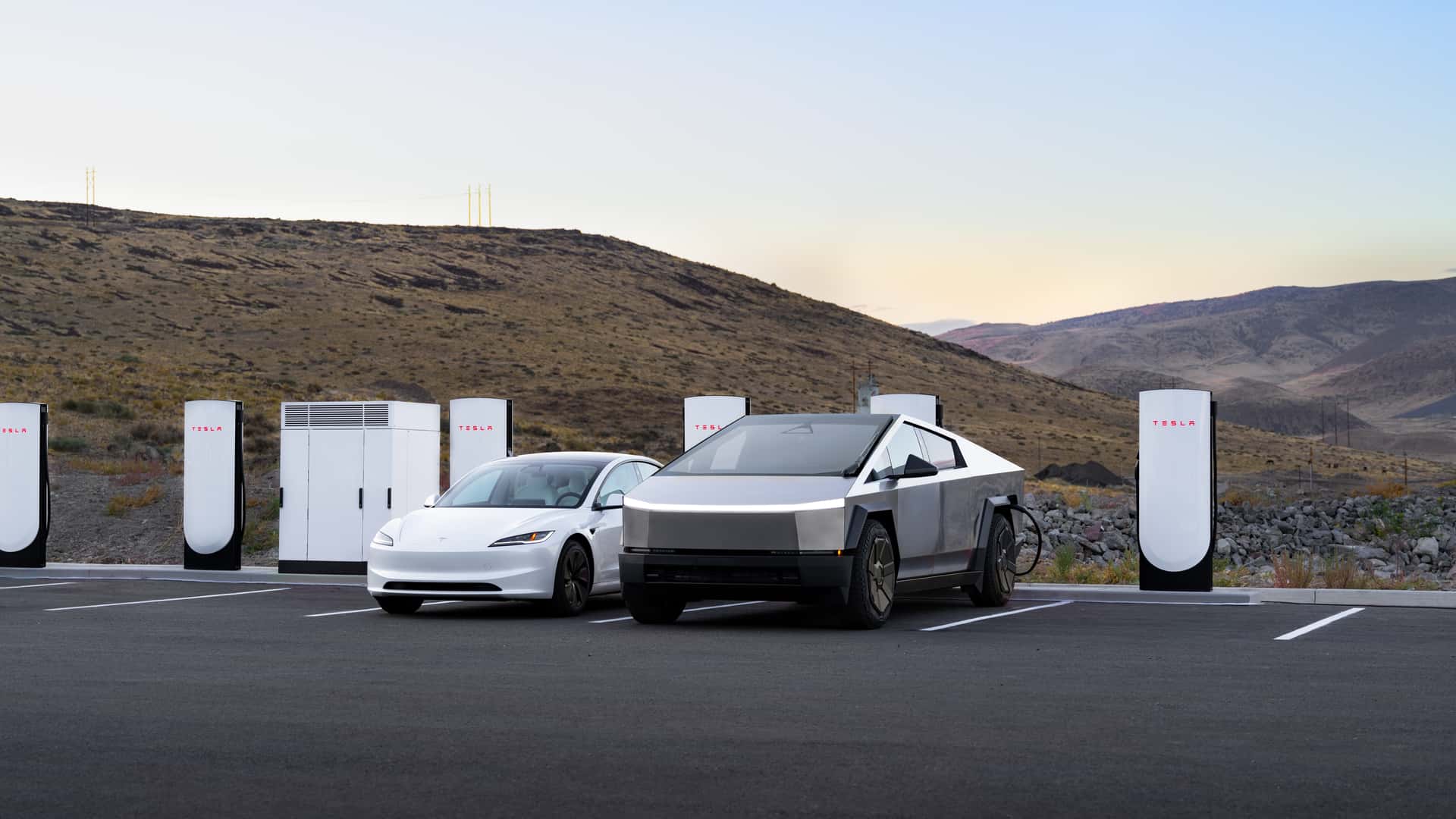
This means that while the infrastructure is getting ready for these high-powered chargers, the vehicles themselves are not quite there yet. However, with the rise of electric big rigs and the continued advancement of passenger EV technology, it’s only a matter of time before cars are able to take full advantage of these ultra-fast charging speeds.
Another challenge that comes with these high-powered chargers is the strain they can put on the grid. As more and more EVs start to utilize these fast-charging stations, it will be crucial for charging companies to work closely with utilities to ensure that the grid can handle the increased demand without causing disruptions or overloads.
Despite these challenges, the move towards faster, more powerful charging stations is an exciting development for the EV industry. With the ability to charge vehicles at speeds comparable to refueling gas cars, range anxiety could soon become a thing of the past. And as more companies invest in these high-powered chargers, the infrastructure needed to support a widespread transition to electric vehicles is steadily falling into place.
So while the U.S. may not have passenger EVs capable of fully utilizing 1 megawatt chargers just yet, the groundwork is being laid for a future where ultra-fast charging is not only possible but commonplace. As technology continues to advance and EV adoption grows, the days of long charging times and limited range could soon be behind us.
But until the EVs can handle it, it’s all just theoretical,” Cutler said. “I think the cars that are coming out now are quite capable, and they’re going to take advantage of these high-power chargers. But I think we’re just at the beginning of that.”
With advancements in technology and infrastructure, the future of EV charging in the U.S. looks promising. Companies like Tesla are already pushing the boundaries of what is possible, with the Cybertruck exceeding its official specs at V4 Superchargers. Other automakers are also stepping up their game, with vehicles like the Lucid Gravity, Porsche Cayenne Electric, and BMW iX3 all capable of charging at 400 kW.
Charging networks in the U.S. are preparing for the influx of high-power EVs, future-proofing their networks to accommodate faster charging speeds. Companies like Ionna are already deploying 400 kW stations, with plans to evaluate even higher power options in the future.
While China and Europe may be ahead in terms of bleeding-edge charging technology, the U.S. is not far behind. With infrastructure improvements and advancements in EV technology, the stage is set for faster charging speeds and more capable EVs to hit American roads in the near future.
As Cutler aptly put it, it takes both high-power chargers and high-capacity EVs to truly take advantage of the potential for fast charging. With both elements coming into play, the future of EV charging in the U.S. looks bright. In order for electric vehicles to fully embrace the benefits of autonomous charging, the vehicles themselves must be equipped to accept this technology. This statement was emphasized by Cutler, a representative from a leading electric vehicle manufacturer. “The vehicles have to be there to accept it,” Cutler said during a recent interview.
Cutler’s assertion highlights the importance of vehicle readiness in the transition towards autonomous charging solutions. As the automotive industry continues to evolve and embrace electrification, it is essential for electric vehicles to be equipped with the necessary technology to seamlessly integrate with autonomous charging infrastructure.
The integration of autonomous charging capabilities into electric vehicles has the potential to revolutionize the way we think about charging infrastructure. By enabling vehicles to autonomously navigate to charging stations, connect to charging points, and initiate the charging process without human intervention, autonomous charging technology promises to streamline the charging experience for electric vehicle owners.
In addition to Cutler’s insights, Tim Levin, a prominent industry analyst, provided additional reporting on the topic. Levin’s expertise shed further light on the implications of vehicle readiness for autonomous charging and the challenges that need to be addressed to ensure seamless integration of this technology.
As electric vehicle manufacturers and technology providers continue to innovate in the realm of autonomous charging, it is crucial for vehicles to be equipped with the necessary hardware and software to support these advancements. By staying ahead of the curve and embracing vehicle readiness for autonomous charging, the automotive industry can pave the way for a future where electric vehicles seamlessly interact with charging infrastructure, enhancing convenience and efficiency for electric vehicle owners.
Overall, Cutler’s statement underscores the importance of vehicle readiness in the era of autonomous charging. As the industry continues to advance towards a future of electrification and autonomy, ensuring that vehicles are equipped to accept and leverage autonomous charging technology will be key to unlocking the full potential of electric mobility.