
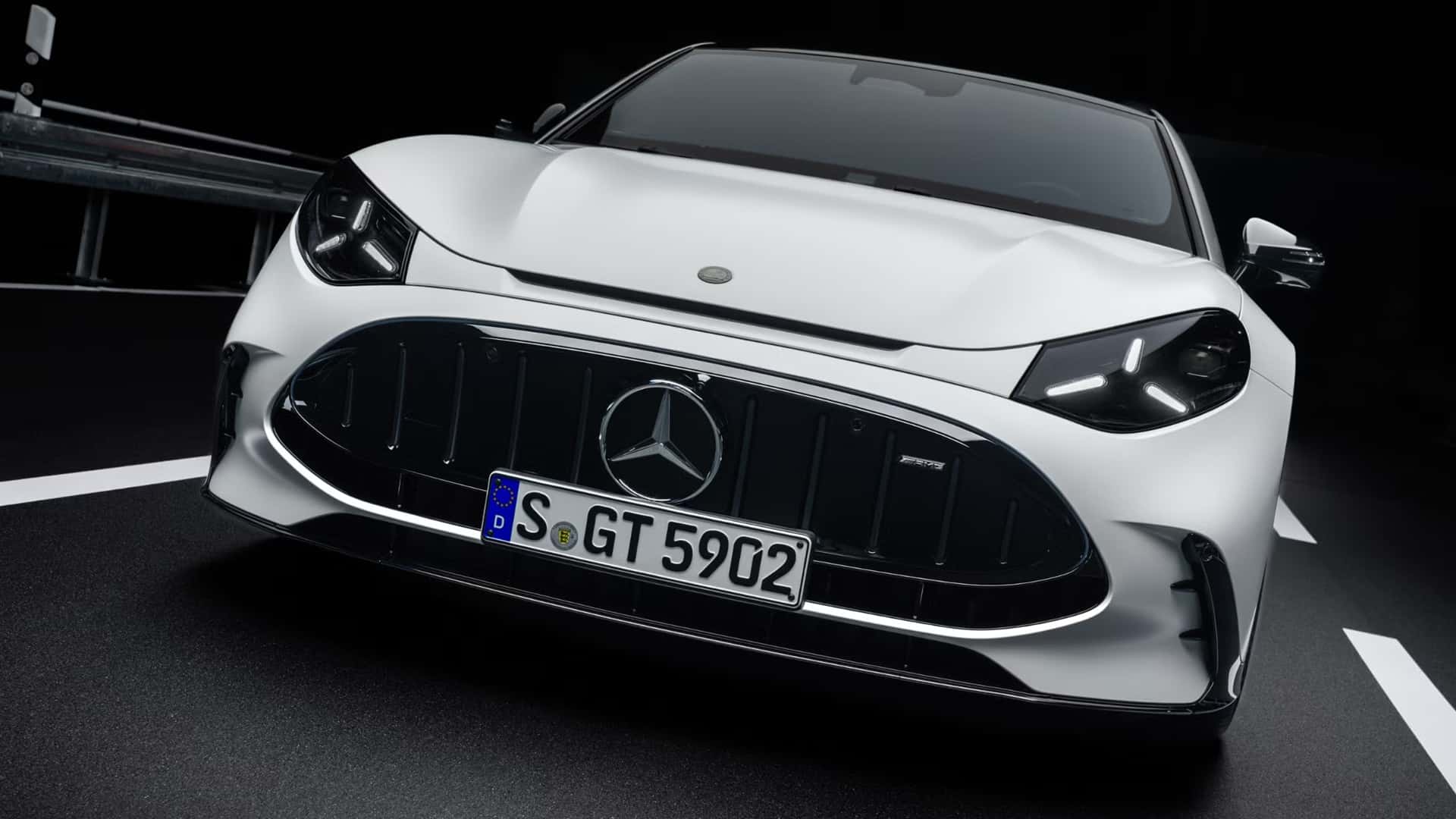
The electric vehicle industry has been making significant strides in recent years, with advancements in battery technology and charging infrastructure. One of the latest developments comes from Mercedes, with their new Mercedes-AMG GT 4-Door Coupe claiming the title of the fastest-charging EV sold in the U.S.
According to Mercedes, the AMG GT 4-Door Coupe can charge from 10% to 80% in just 11 minutes when connected to a 600-kilowatt EV DC fast charger. This puts it at the top of the list of America’s quickest charging EVs, surpassing other popular models like the Volvo EX60, Porsche Taycan, and BMW iX3.
While this charging speed is impressive, there is a catch. Achieving the 11-minute charging time requires a charger capable of delivering a whopping 600 kW of energy, which is not yet widely available. Most EV owners currently have access to chargers that deliver between 250-400 kW. However, companies like Tesla are rolling out more powerful 500 kW Supercharger V4 stations, and China leads the way with its growing megawatt charging network.
The Mercedes-AMG GT 4-Door Coupe’s quick charging time is made possible by its 800-volt architecture, a feature shared by many of the fastest-charging EVs on the market. This technology allows for a rapid transfer of energy, significantly reducing charging times. In comparison, the Tesla Model Y, one of the best-selling EVs, takes around 27 minutes to charge from 10% to 80%.
The introduction of the Mercedes-AMG GT 4-Door Coupe underscores the commitment of Western automakers to the electric vehicle revolution. Despite recent setbacks in the industry, such as billions of dollars in investments being written down, companies like Mercedes continue to innovate and push the boundaries of what is possible with electric vehicles. As charging infrastructure continues to improve, EV owners can look forward to even faster charging times and greater convenience in the future. Advancements in technology have always started at the top and eventually made their way down to more accessible options. This pattern can be seen in the automotive industry, particularly with electric vehicles (EVs) and their charging infrastructure. As supercars and high-end vehicles continue to push the boundaries of what is possible, the technology they utilize will eventually trickle down to everyday vehicles.
One of the most significant areas of innovation in the EV industry is fast charging. Superchargers capable of delivering a massive amount of power in a short amount of time have become the norm for high-performance electric vehicles. These chargers can replenish a significant portion of a vehicle’s battery capacity in a matter of minutes, making long-distance travel in an EV more practical than ever before.
As these fast chargers become more prevalent and standardized, it is only a matter of time before they become more accessible to the average consumer. Just as features like automatic emergency braking and adaptive cruise control were once exclusive to luxury vehicles but are now standard on many mainstream cars, fast charging technology will eventually become a common feature on all EVs.
The implications of this trickle-down effect are significant. As fast charging infrastructure becomes more widespread, range anxiety – a major barrier to widespread EV adoption – will become a thing of the past. Drivers will be able to top up their batteries quickly and conveniently, making EV ownership more convenient and practical for a wider range of consumers.
Additionally, the availability of fast charging technology will accelerate the transition to electric mobility on a global scale. With the infrastructure in place to support fast charging, more consumers will be willing to make the switch to electric vehicles, reducing greenhouse gas emissions and dependence on fossil fuels.
In conclusion, the rapid pace of technological advancement in the automotive industry, particularly in the realm of electric vehicles and charging infrastructure, is paving the way for a more sustainable and efficient transportation system. As history has shown us, what starts as a luxury or high-end feature will eventually become the new standard, benefiting all consumers in the process.