
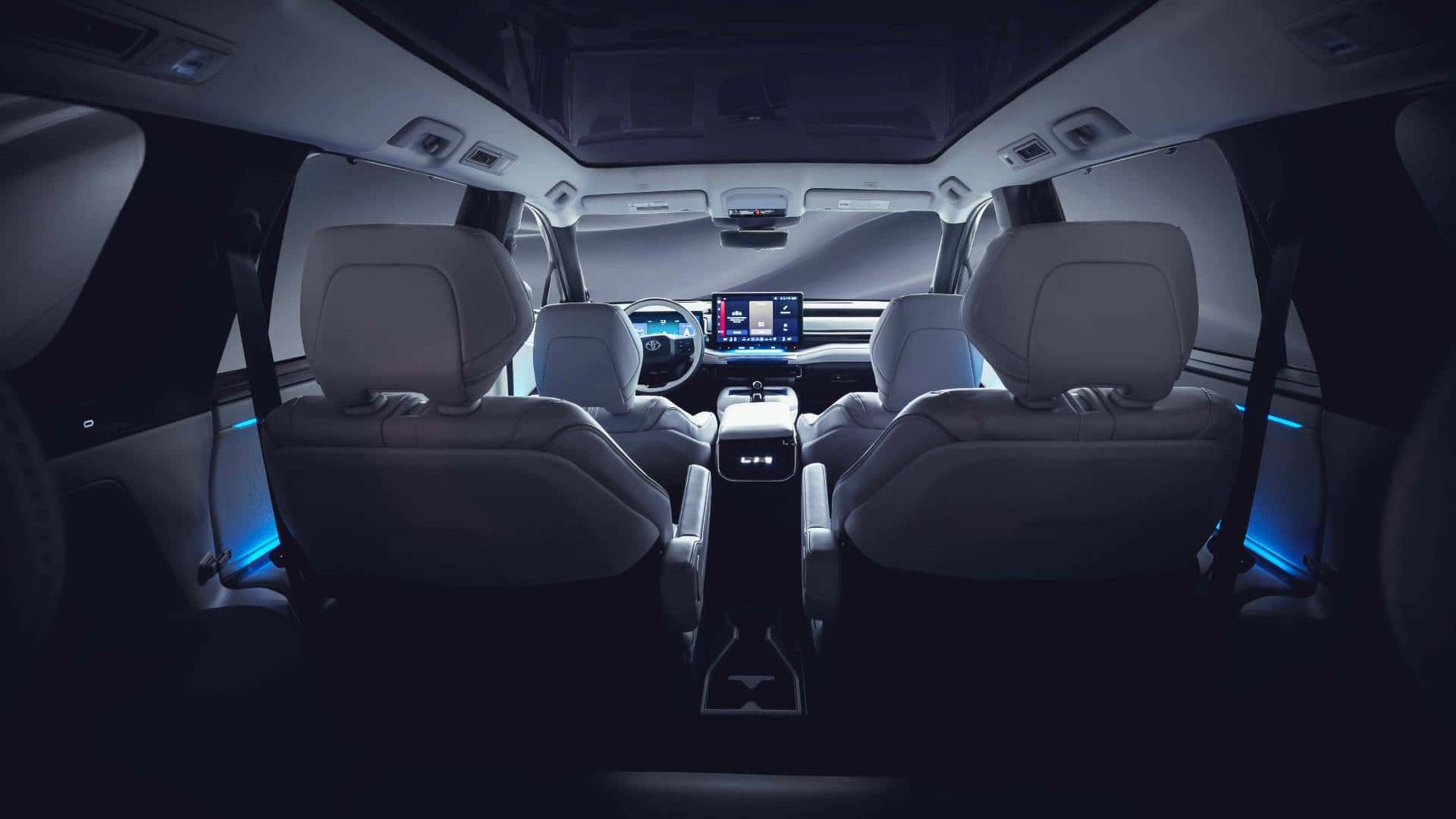
With the upcoming introduction of a three-row SUV on February 10, Toyota is set to make a significant mark in the electric vehicle market. The new SUV could potentially be the highly anticipated electric SUV that fans have been eagerly waiting for. It is expected to showcase Toyota’s next-generation Arene software-defined vehicle (SDV) platform, highlighting the brand’s commitment to innovation and cutting-edge technology.
Toyota’s focus on electrification is evident in its recent lineup, which includes three new or refreshed models such as the updated bZ, the new C-HR, and the bZ Woodland. The addition of a three-row SUV to this lineup further solidifies Toyota’s position in the EV market and demonstrates its dedication to offering a diverse range of electric vehicles to consumers.
The teaser images released by Toyota provide a glimpse of the SUV’s exterior design, featuring a boxy silhouette and a full-width LED light bar. The interior of the vehicle promises to be high-tech and modern, with a focus on premium features and advanced technology. The cabin is expected to offer a luxurious experience, with a sleek design reminiscent of Volvo and Tesla models.
One of the standout features of the new three-row SUV is its spacious interior, which includes captain’s chairs with armrests, a panoramic sunroof, and a massive center touchscreen. The integration of digital displays and minimalistic design elements showcases Toyota’s commitment to creating a sophisticated and user-friendly driving experience.
While Toyota has not yet revealed the name or specific details of the SUV, hints suggest that it could be part of the bZ lineup, following the brand’s Beyond Zero event in Japan. The unveiling of the Land Cruiser Se concept further hints at Toyota’s plans to expand its electric vehicle offerings and cater to a wider range of consumers.
Overall, Toyota’s upcoming three-row SUV signals a new era for the brand, as it continues to push boundaries and redefine the future of mobility. With its focus on electrification and advanced technology, Toyota is poised to deliver an exceptional driving experience that combines performance, efficiency, and innovation.
Toyota has been making waves in the electric vehicle market with reports of an electric Highlander in the pipeline. The company has announced that they are developing a family-focused electric SUV specifically for the U.S. market, to be produced at their Kentucky plant. The launch of this vehicle was initially delayed due to design changes, but it is now expected to be unveiled on February 10.
With the development of this electric SUV, Toyota is likely to introduce a bZ Highlander model. This new vehicle will cater to the growing demand for electric vehicles in the market and will offer customers a sustainable and eco-friendly transportation option.
In addition to the vehicle’s technical specifications, software will play a crucial role in the success of the electric Highlander. Toyota has been working on accelerating its electrification and software efforts after being labeled as an EV laggard in the past. The company has already showcased its commitment to software innovation with the introduction of the new RAV4, which features Toyota’s Arene software-defined vehicle platform.
The Arene software platform in the RAV4 is just a glimpse of the software advancements that Toyota is likely to introduce in the electric Highlander. This software-defined vehicle platform allows for greater connectivity, customization, and over-the-air updates, providing customers with a more seamless and advanced driving experience.
As Toyota gears up for the unveiling of the electric Highlander, all eyes are on the company to see how they will revolutionize the electric vehicle market with their latest offering. With a focus on sustainability, innovation, and cutting-edge technology, the bZ Highlander is set to make a significant impact in the electric SUV segment. Stay tuned for more updates on this exciting new model from Toyota. The world of technology is ever-evolving, with new innovations and advancements being made every day. One of the most exciting developments in recent years is the rise of artificial intelligence (AI). AI is a branch of computer science that focuses on creating intelligent machines that can think and learn like humans.
One of the most common applications of AI is in the field of robotics. Robots powered by AI are being used in a variety of industries, from manufacturing to healthcare. These robots are capable of performing tasks that were once thought to be impossible for machines, such as complex surgeries or intricate assembly work.
In addition to robotics, AI is also being used in other industries, such as finance, marketing, and transportation. AI-powered systems are able to analyze vast amounts of data and make predictions about future trends, helping businesses make more informed decisions. For example, AI algorithms can be used to predict stock market fluctuations or optimize marketing campaigns.
Another exciting application of AI is in the field of healthcare. AI-powered systems are being used to diagnose diseases, develop personalized treatment plans, and even assist in surgery. These systems are able to analyze medical data with incredible speed and accuracy, helping healthcare professionals provide better care to their patients.
Despite the many benefits of AI, there are also concerns about its impact on society. Some worry that AI could lead to job loss, as machines become increasingly capable of performing tasks that were once done by humans. There are also ethical concerns about the use of AI in warfare and surveillance, as well as questions about the potential for AI to be used for malicious purposes.
Overall, AI is a powerful and exciting technology that has the potential to revolutionize many aspects of our lives. As researchers continue to develop new applications for AI, it is important to consider the ethical implications and ensure that AI is used in a responsible and beneficial way. With proper regulation and oversight, AI has the potential to improve our world in ways we can only begin to imagine.