
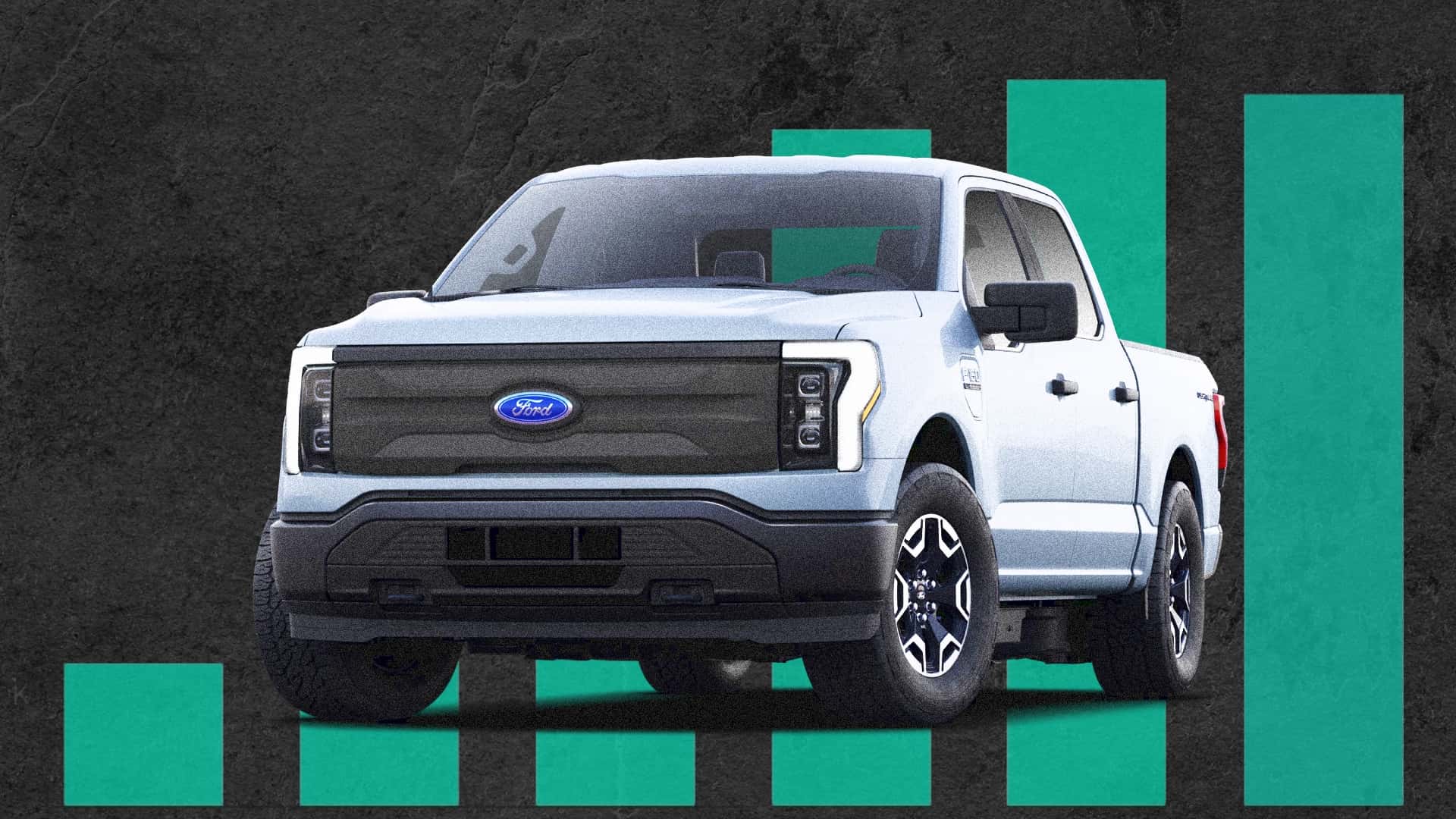
However, with the sudden expiration of the $7,500 EV tax credit and the subsequent drop in demand, those expectations were quickly dashed. The rollercoaster ride of the electric vehicle market in 2025 highlights the impact of policy changes on consumer behavior and market trends.
Despite the setback, the electric vehicle industry remains resilient. The growth of electric car sales over the past decade has been significant, transforming the sector from a niche market to a more mainstream option for consumers. The introduction of more electric models, increased awareness of environmental issues, and advancements in technology have all contributed to the surge in EV sales.
The Tesla Model 3 and Model Y played a crucial role in boosting EV sales in the late 2010s and early 2020s. These popular models captured the attention of consumers and helped drive the transition towards electric vehicles. However, challenges such as high purchase prices and concerns about charging infrastructure have also hindered the growth of the EV market.
Looking ahead, the future of electric vehicle sales in the United States remains uncertain. While Cox Automotive predicts a slight decline in EV sales for 2025, the industry continues to innovate and adapt to changing circumstances. As policies and incentives evolve, electric car manufacturers will need to navigate the shifting landscape to meet consumer demand and sustainability goals.
Despite the challenges faced in 2025, the electric vehicle industry remains a key player in the transition towards a more sustainable transportation future. With ongoing advancements in technology and increasing consumer interest in electric vehicles, the market is poised for continued growth and development in the years to come. They are just recalibrating their approach to meet the changing landscape. Companies like Ford, GM, and Volkswagen are still investing heavily in electric vehicle development, with plans to release new models in the coming years. The industry as a whole is shifting towards electrification, with many major players committing to phasing out internal combustion engines in favor of more sustainable alternatives.
Despite the setbacks and challenges faced by the EV market in recent times, there is still a strong push towards a cleaner, more sustainable future. The global shift towards electric vehicles is inevitable, and while there may be bumps along the road, the momentum towards a greener automotive industry is unstoppable.
As technology continues to advance and more consumers embrace electric vehicles, the future of the automotive industry looks increasingly electrified. The days of gas-guzzling cars may be numbered, as the world moves towards a more sustainable and environmentally friendly transportation system.
In conclusion, while the EV market may have fallen short of expectations in recent years, the future still looks bright for electric vehicles. With continued investment, innovation, and commitment from both automakers and consumers, the shift towards electrification is set to revolutionize the automotive industry in the years to come.