
This helps to heat the interior of the car more efficiently, using less energy from the battery compared to traditional resistive heating systems. This means that your EV can maintain a comfortable temperature inside while minimizing the impact on your overall range.
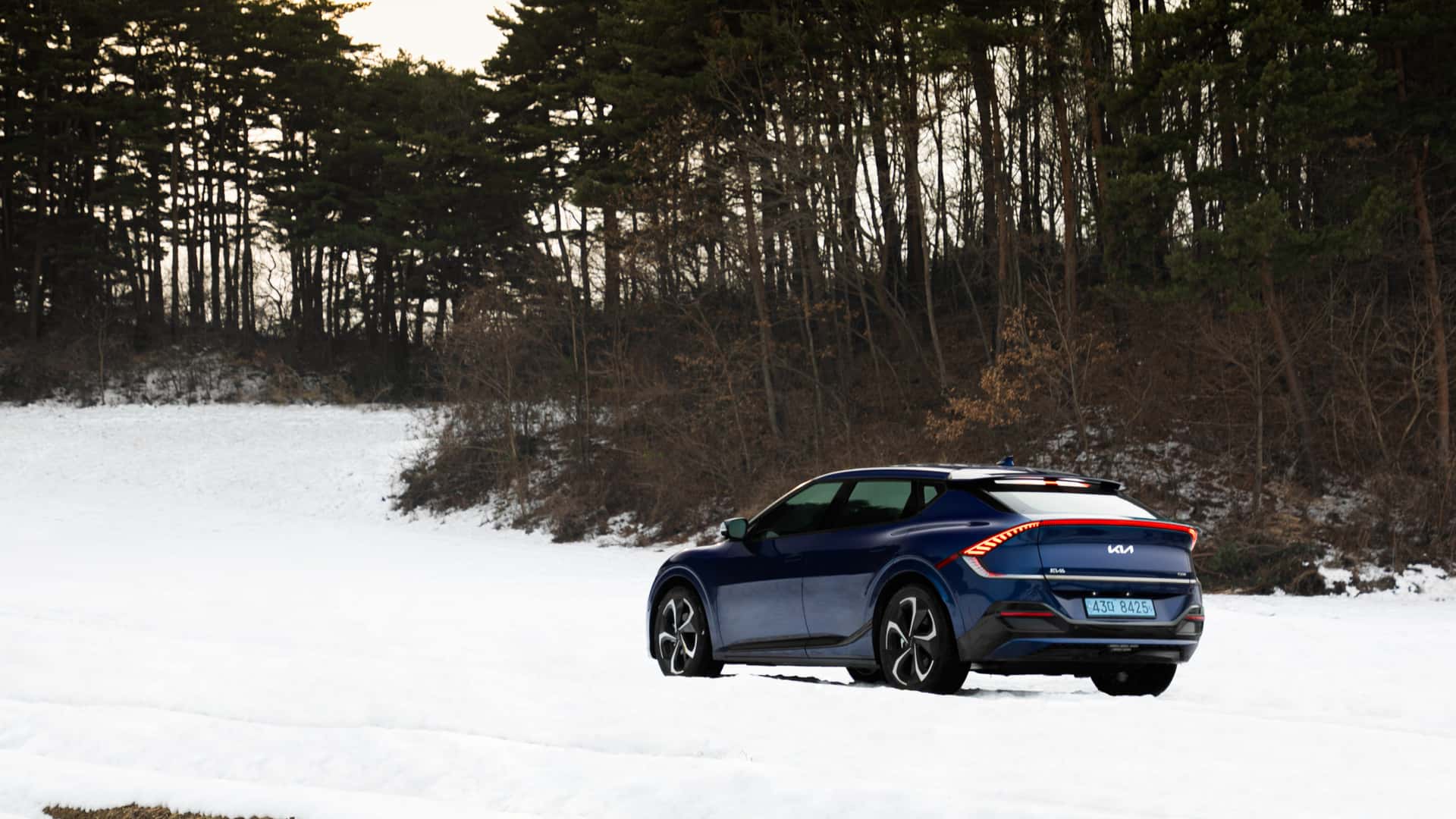
Several EVs on the market today come equipped with heat pumps, and they tend to perform better in cold weather conditions. For example, the upcoming Honda Prologue, as shown in the image above, features a heat pump that helps it maintain a longer range in freezing temperatures. Other popular models like the Tesla Model Y and the Ford Mustang Mach-E also come with heat pumps as standard features.
If you live in a colder climate or frequently experience freezing temperatures, investing in an EV with a heat pump can make a significant difference in your overall driving experience. While winter range losses are still a reality for electric vehicles, having a heat pump can help mitigate some of those losses and ensure that you can still rely on your EV for your daily transportation needs.
In conclusion, while it’s true that electric vehicles can lose up to 20% of their maximum range in freezing temperatures, this doesn’t have to be a major concern if you choose the right EV. Look for a model that comes equipped with a heat pump to help maintain your range and keep you comfortable in cold weather. With the advancements in EV technology, driving an electric car in winter is now more practical and feasible than ever before. Heat pumps in electric vehicles (EVs) are becoming increasingly common and are crucial for maximizing winter range. These innovative systems work in reverse from a standard air conditioner, moving heat out of the cabin to cool it down. This process helps with cooling and takes a significant strain off the EV’s climate system, which ultimately reduces power consumption and increases overall range. In fact, turning off the heat or A/C in an EV can result in a noticeable increase in estimated range, sometimes up to 10-12 miles.
The auto industry has recognized the importance of heat pumps in EVs, leading to their inclusion as standard equipment in modern models. Older EVs, especially those from the early 2020s, may not have heat pumps. However, manufacturers are now prioritizing these systems to enhance winter performance.
To determine if an EV is equipped with a heat pump, individuals can refer to resources like Recurrent’s list of EV models with heat pumps. While the list is comprehensive, it’s always advisable to check the manufacturer’s website for confirmation. Some notable EVs with heat pumps include models from Audi, BMW, Cadillac, Chevrolet, Ford, Hyundai, Kia, Genesis, Honda, Lucid Motors, Nissan, Polestar, Tesla, and Volvo.
For example, Tesla introduced a heat pump in the Model 3 starting with the 2021 model year refresh. This upgrade significantly improved the vehicle’s winter performance, as illustrated by Recurrent’s comparison chart. As technology continues to advance, it is expected that cold-weather range losses will become less of a concern due to advancements in battery chemistries, heating systems, and charging infrastructure.
In conclusion, heat pumps play a vital role in enhancing the efficiency and performance of EVs, especially during winter months. As these systems become more prevalent in modern EVs, drivers can expect improved range and overall driving experience, even in challenging weather conditions.