
The European electric vehicle repair shop, EV Clinic, has raised concerns about the quality and reliability of Tesla vehicles powered by LG battery packs made in China. According to the shop, these LG cells are experiencing higher failure rates and accelerated degradation compared to those made by Panasonic.
EV Clinic specifically pointed out that the nickel-manganese-cobalt (NCM811) batteries from LG Energy Solution installed in Tesla Model Y and Model 3 vehicles made in China are facing “extremely high failure” rates. The shop highlighted that these cells degrade faster than the nickel-cobalt-aluminum (NCA) batteries made by Panasonic in the U.S.
The repair shop mentioned that in over 90% of the Tesla battery repair cases they handle, fixing the cells at the cell level is nearly impossible for the LGES packs. This is due to high internal resistance in the cells, which can lead to issues such as overheating, reduced power delivery, decreased range, and instability. The shop revealed that LGES cells from the Nanjing factory in China often have resistance levels exceeding 100 milliohms, indicating a significant problem.
EV Clinic went on to describe the situation as “catastrophic,” stating that even if faulty cells are replaced with new ones, the pack is likely to experience further failures, resulting in high warranty and labor costs.
Comparatively, the shop noted that Panasonic cells exhibit lower internal resistance, suggesting better overall health and degradation. It emphasized that nickel-based batteries from LGES and Samsung SDI in Europe, as well as Panasonic in the U.S., outperform those made in China. The report also highlighted the dominance of China in lithium-iron phosphate (LFP) technology, known for its cost advantages, which is becoming more popular in the West.
According to EV Clinic, Panasonic cells have an estimated lifespan of 248,000 miles (400,000 kilometers), while LGES China-made batteries reach the end of their life at 155,000 miles (250,000 km). This information underscores the disparities in battery quality and performance based on the manufacturing location and supplier.
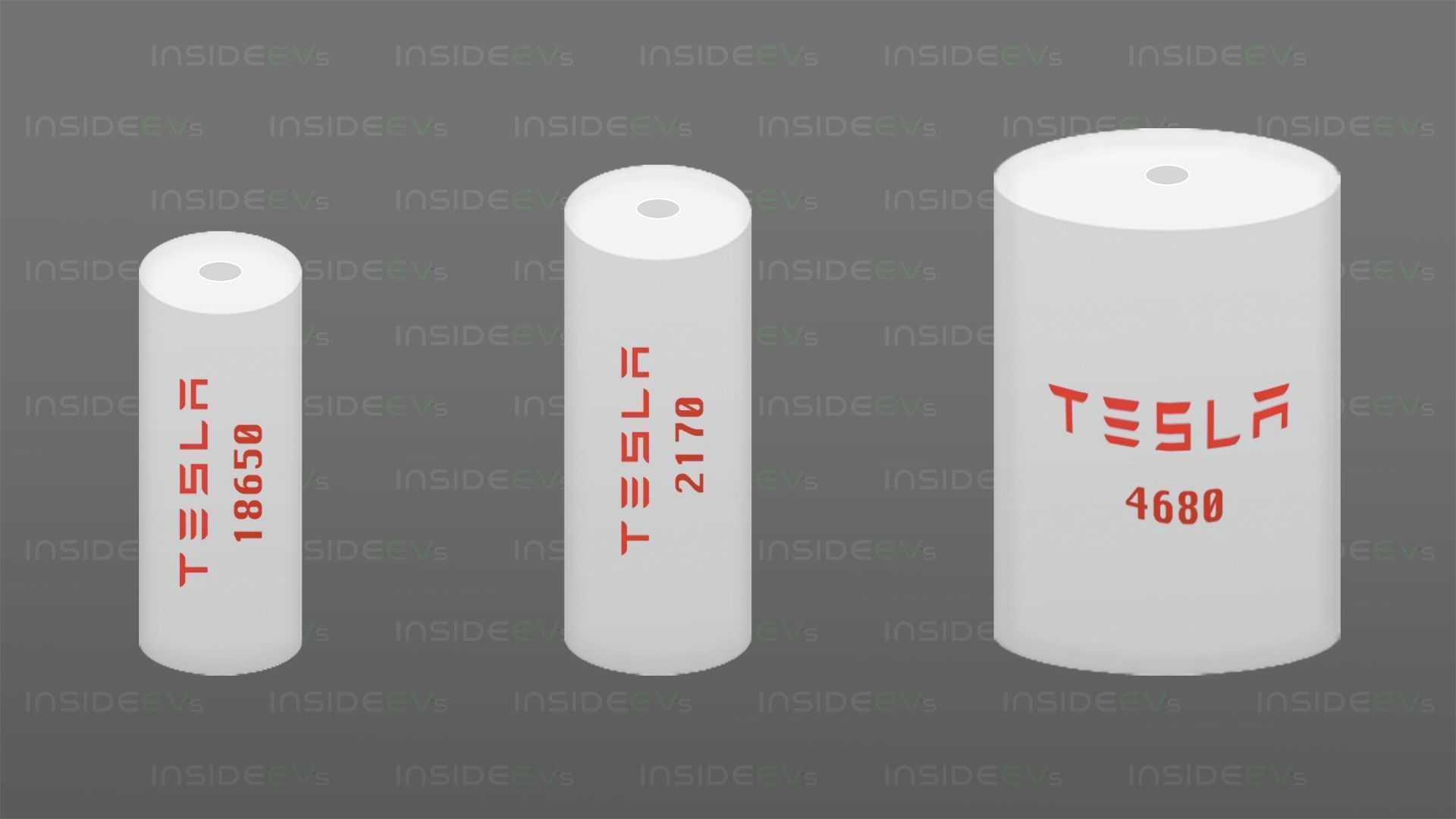
As Tesla continues to dominate the electric vehicle market, a recent report has raised concerns about potential defects in the batteries used in some of their vehicles. The report indicates that there may be issues with Panasonic’s 2170 cylindrical cells, which are used in certain Tesla models.
It did not specify which model-year Teslas were affected by this problem, and it’s unclear whether the defects are limited to a specific batch of vehicles made in China or a broader issue affecting multiple model years. This lack of clarity has caused anxiety among Tesla owners and potential buyers, who are unsure if their vehicles are at risk.
One of the key concerns raised by the report is the potential impact of these battery defects on the performance and longevity of the affected vehicles. If left unchecked, these defects could lead to a range of issues, including reduced driving range, slower charging times, and even safety hazards.
While Tesla has not yet issued a formal statement addressing these concerns, it is important for owners of potentially affected vehicles to stay informed and vigilant. Keeping an eye on any changes in performance or behavior of their vehicles can help identify any potential issues early on.
Despite these concerns, it is important to approach the situation with caution. Modern EV batteries have come a long way in terms of technology and reliability. Studies have shown that only a small fraction of EVs sold in recent years have required battery replacements, indicating that overall, EV batteries are quite durable and reliable.
However, it is still crucial for Tesla to address these potential battery defects promptly and transparently to ensure the safety and satisfaction of their customers. Clear communication and swift action to rectify any issues will be key in maintaining Tesla’s reputation as a leader in the EV industry.
As more information becomes available, Tesla owners and enthusiasts should stay tuned for updates from the company and be proactive in addressing any concerns they may have about their vehicles. By staying informed and taking appropriate action, Tesla owners can ensure that their vehicles continue to perform optimally and safely for years to come.