
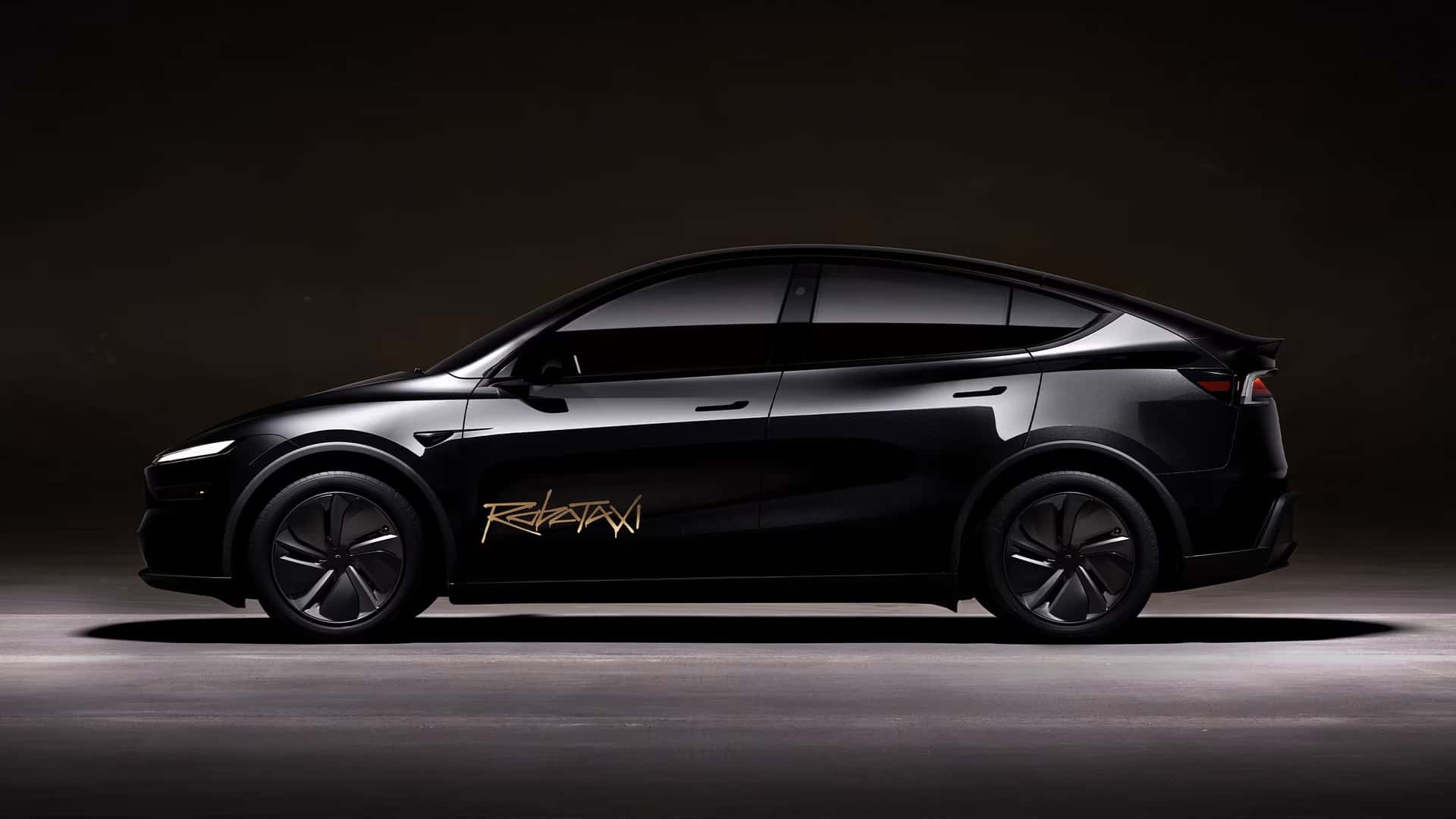
Tesla’s Robotaxi service in Texas has seen slow growth since its debut over a year ago. With fewer than 50 self-driving cabs currently operating in the state, Tesla’s fleet falls short compared to its largest competitor, Waymo, which boasts over 550 autonomous taxis offering rides in Texas.
Elon Musk, Tesla’s CEO, had ambitious plans for the Robotaxi service when it was first launched in 2025. Musk claimed that the service would start with a small number of cars but would quickly scale up to 1,000 vehicles within a month. However, the actual numbers have not lived up to these projections.
As of now, Tesla has 42 self-driving cars registered to offer rides in Texas. The fleet consists mainly of Model Y vehicles, with 39 cars currently operating without supervision. This information was revealed through registration data submitted to the Texas Department of Motor Vehicles under new regulations that came into effect recently.
In contrast, Waymo, the leading robotaxi operator in the U.S., has far surpassed Tesla’s numbers with 577 autonomous taxis in Texas. The disparity in fleet size highlights the challenges Tesla faces in scaling up its Robotaxi service to compete with established players in the market.
Despite the slow growth in Texas, Tesla has made significant strides in advancing its autonomous driving technology. In January 2026, Tesla removed safety monitors from its Austin fleet, allowing for unsupervised rides. The fleet has since grown to approximately 30 vehicles operating without a safety monitor in Austin, with the remaining 12 cars spread between Dallas and Houston.
Elon Musk remains optimistic about the future of Tesla’s self-driving technology, with plans to have hundreds of thousands, if not millions, of Teslas capable of autonomous driving by the end of 2026. However, owners of older Tesla models may need to invest in hardware upgrades to enable unsupervised self-driving capabilities.
As Tesla continues to evolve its Robotaxi service and expand its fleet, the company will need to overcome challenges in scaling up production and ensuring the safety and reliability of its self-driving vehicles. With competition in the autonomous driving space heating up, Tesla will need to demonstrate its ability to innovate and deliver on its ambitious vision for the future of transportation. The COVID-19 pandemic has brought about many changes in our daily lives, from wearing masks in public to practicing social distancing. One of the most significant changes has been the shift to remote work for many individuals and companies.
Remote work, or working from home, has become the new normal for millions of people around the world as a way to prevent the spread of the virus. While some may have initially thought that working from home would be a temporary situation, it has now become a long-term reality for many.
There are several benefits to remote work, including the flexibility to work from anywhere, the ability to avoid long commutes, and the opportunity to spend more time with family. However, there are also challenges that come with remote work, such as feelings of isolation, difficulty in separating work from home life, and technological issues.
To combat these challenges, many companies have implemented new strategies to support their remote workers. Some companies have set up virtual team-building activities to help employees stay connected and engaged, while others have provided resources for mental health support.
Additionally, companies are investing in new technologies to make remote work more efficient and effective. Tools such as video conferencing, project management software, and virtual collaboration platforms have become essential for remote teams to communicate and collaborate effectively.
While remote work has its challenges, many employees have found that they are more productive when working from home. Without the distractions of the office, they are able to focus on their work and complete tasks more efficiently.
As the world continues to navigate the challenges of the COVID-19 pandemic, remote work is likely to remain a prominent feature of the modern workplace. Companies and employees alike will need to adapt to this new way of working and find ways to make it successful for the long term. By embracing the opportunities and overcoming the challenges of remote work, we can create a more flexible, efficient, and fulfilling work environment for all.