
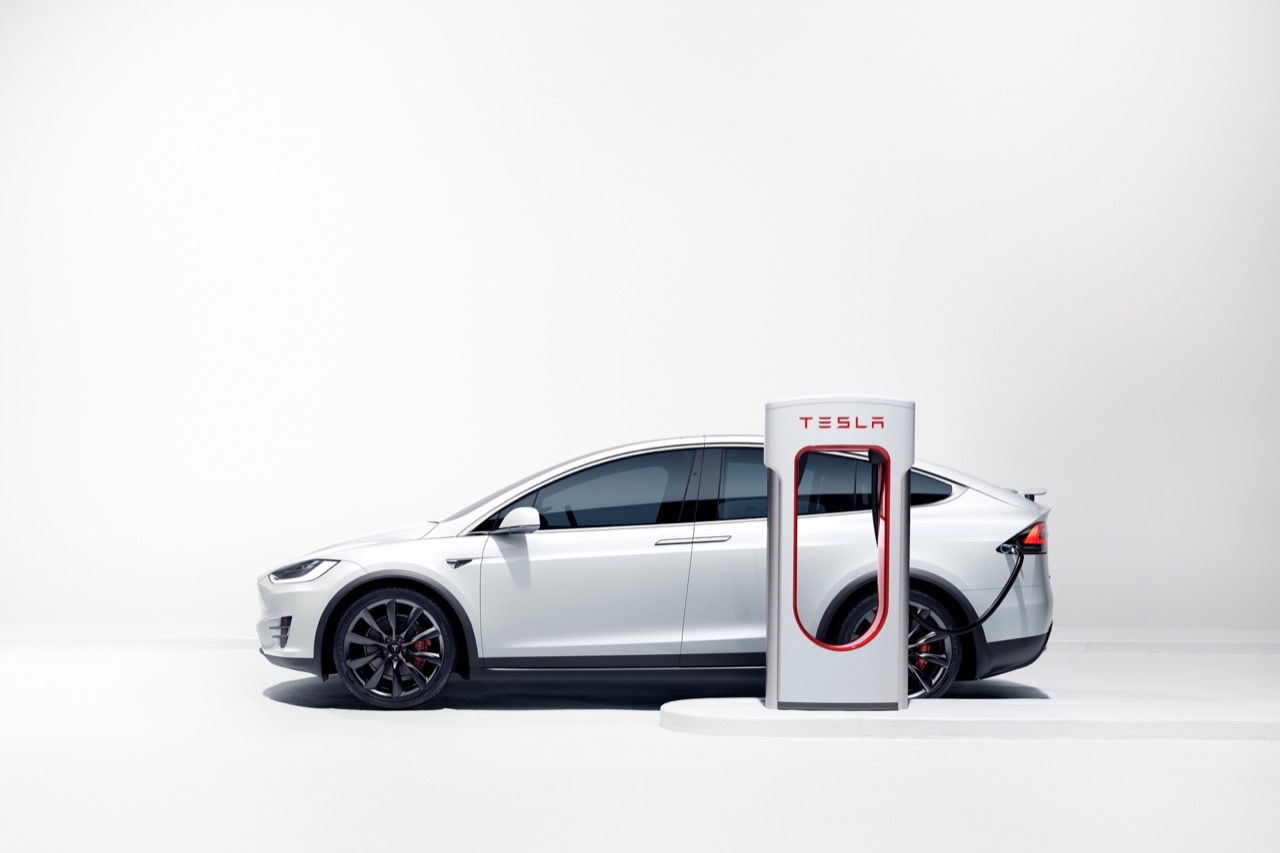
Other EV Charging Networks Catching Up to Tesla Supercharger Network in Customer Satisfaction
According to a recent J.D. Power study, other EV charging networks are gradually closing the gap in customer satisfaction compared to the Tesla Supercharger network.
The study indicates that while the Tesla Supercharger network still maintains the highest level of customer satisfaction among fast-charging networks, other networks are showing significant improvement. This is based on an analysis of various parameters including interest, availability, adoption, affordability, infrastructure, and overall experience.
Nonetheless, non-Tesla fast-charging networks experienced a notable 19-point increase on J.D. Power’s scale in the first quarter of 2024, while Tesla saw a slight decline during the same period. This trend signals positive news for EV drivers in general, as it suggests an enhanced charging experience with non-Tesla networks. However, it raises concerns for Tesla, given the crucial role of the Supercharger network in the company’s appeal.
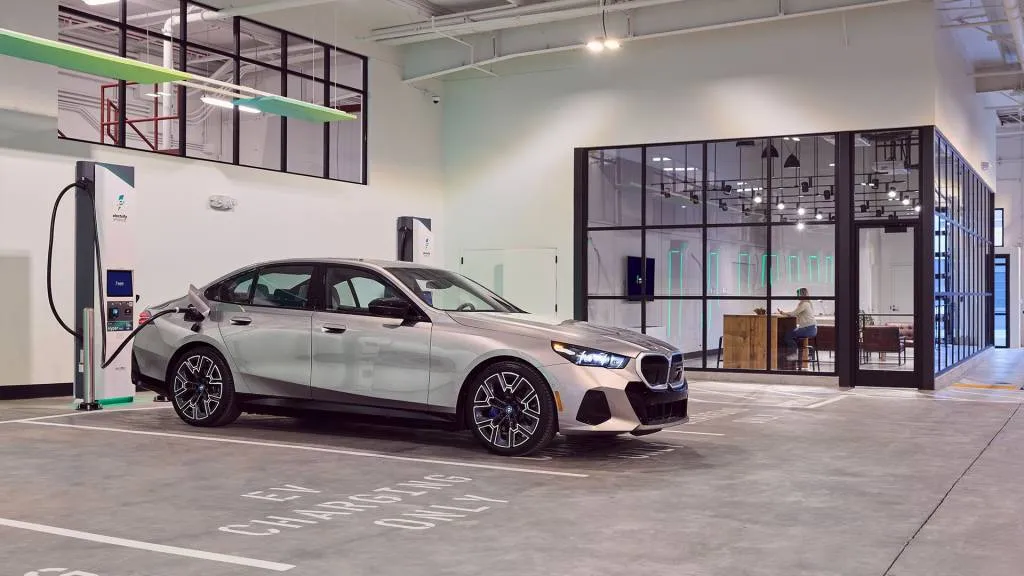
First Electrify America indoor charging station opens in San Francisco
J.D. Power highlighted the potential impact on Tesla’s brand value proposition if the Supercharger network faces challenges or increased competition from other brands. This underscores the importance of the Supercharger network to Tesla’s overall appeal.
The study also revealed an overall increase in customer satisfaction with public EV charging, particularly attributed to non-Tesla networks. In the first quarter, customer satisfaction with DC fast charging rose by 16 points compared to the previous quarter, while Level 2 AC charging saw a nine-point increase. These are the largest quarter-over-quarter improvements since data collection began in 2021.
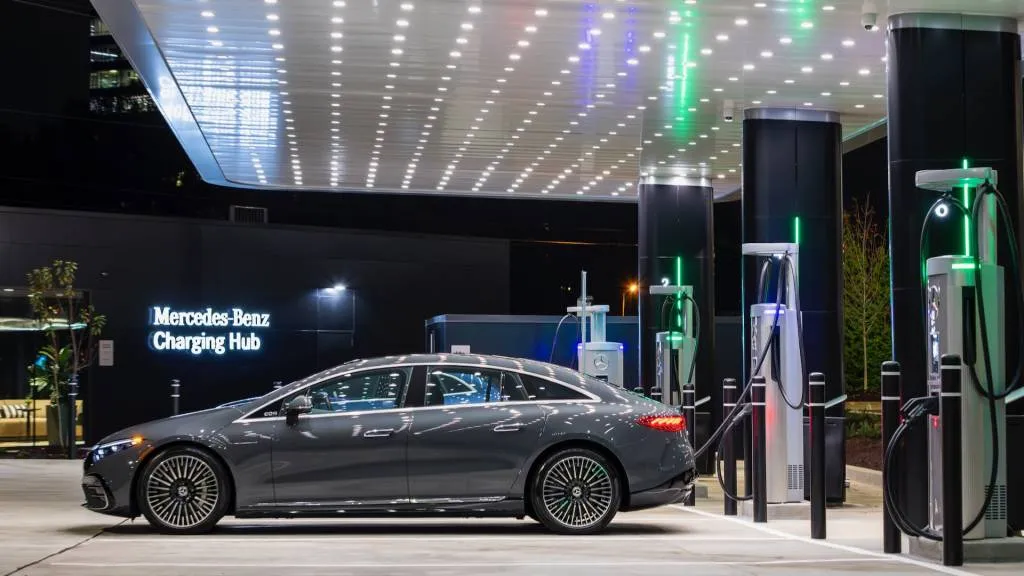
Mercedes-Benz EV Charging Hub in Sandy Springs, Georgia
The study’s findings provide a positive outlook on public EV charging, contrasting with earlier reports that highlighted challenges in the charging infrastructure. Efforts are being made to address issues such as reliability, with the Department of Energy emphasizing the need for more flexibility in station controls to enhance user experience.
In conclusion, the evolving landscape of EV charging networks presents both opportunities and challenges for industry players, with customer satisfaction and network reliability playing key roles in shaping the future of electric vehicle adoption.