
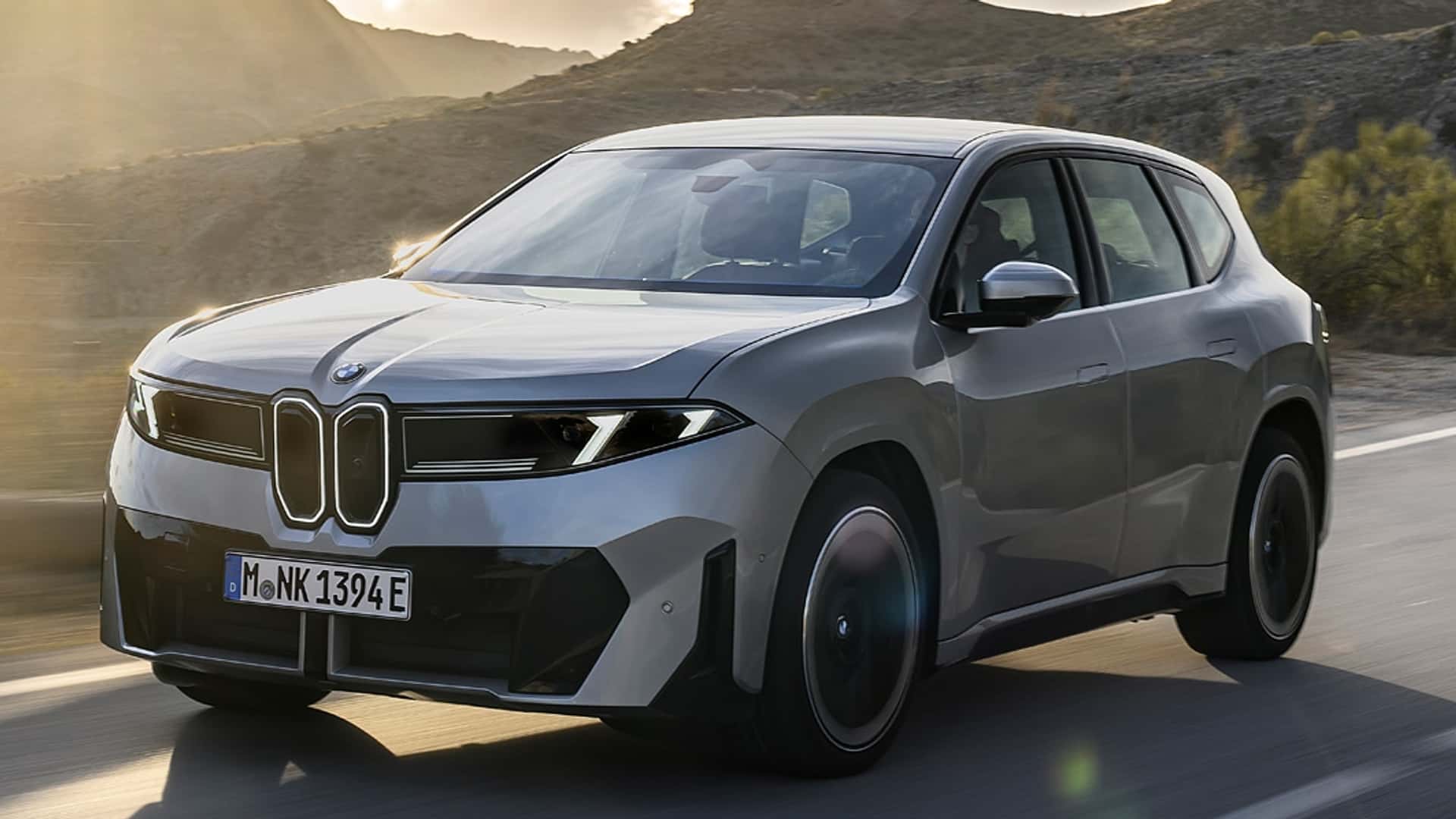
BMW has made an exciting update to its upcoming iX3 electric SUV, boosting its range estimate for the American market. The iX3 is now expected to deliver up to 434 miles on a full charge, an increase of 34 miles from the initial estimate of 400 miles. This puts the iX3 in the elite group of EVs that can achieve over 400 miles of range, making it a highly desirable option for eco-conscious consumers.
The iX3 xDrive50 version is based on BMW’s Neue Klasse 800-volt platform and features a 108-kilowatt-hour battery that can be recharged at up to 400 kilowatts. According to BMW, the iX3 can gain 175 miles of range in just 10 minutes of charging, with a 10% to 80% charge taking approximately 21 minutes. These impressive charging capabilities make the iX3 one of the fastest-charging EVs in the United States.
In addition to its exceptional range and fast charging capabilities, the iX3 offers a great driving experience, the latest technology, and a competitive price tag. The electric crossover has received positive reviews for its ride quality and overall performance, making it a compelling choice for electric vehicle enthusiasts.
The first iX3s are expected to arrive in the United States from BMW’s plant in Hungary for marketing and test drive purposes. The official U.S. launch is scheduled for May, with pricing and ordering guides set to be released at that time. The online configurator will go live in June, allowing customers to place their orders for the iX3.
American customers can expect to receive their iX3s in late September or early October, with prices starting at around $60,000. As with most luxury automakers, BMW will offer a range of customization options for the iX3, allowing customers to tailor their electric SUV to their preferences.
Overall, the BMW iX3 promises to be a standout electric vehicle in the U.S. market, offering impressive range, fast charging capabilities, and a premium driving experience. With its updated range estimate and upcoming launch, the iX3 is sure to attract attention from eco-conscious drivers looking for a high-performance electric SUV. As technology continues to advance at a rapid pace, the way we live our lives is constantly changing. From the way we communicate to the way we work, technology has had a profound impact on every aspect of our daily routine. One area that has seen significant changes is our homes, with smart home technology becoming increasingly popular.
Smart home technology refers to the integration of various devices and systems within a home that can be controlled remotely or automatically. These devices are connected to the internet and are designed to make our lives easier, more convenient, and more efficient. From smart thermostats and lighting systems to security cameras and smart appliances, the possibilities are endless when it comes to creating a smart home.
One of the key benefits of smart home technology is the ability to control various aspects of your home from anywhere in the world. With the use of a smartphone or tablet, you can adjust the temperature, turn off lights, lock doors, and even monitor your home security system with just a few taps of a screen. This level of control not only adds convenience to our lives but also provides a sense of security and peace of mind.
In addition to convenience and security, smart home technology can also help homeowners save money on their energy bills. Smart thermostats, for example, can learn your heating and cooling preferences and adjust the temperature accordingly, resulting in lower energy consumption and reduced costs. Smart lighting systems can also help save energy by automatically turning off lights when they are not in use or adjusting the brightness based on natural light levels.
Another benefit of smart home technology is the ability to personalize your living space to suit your needs and preferences. With the use of voice assistants like Amazon Alexa or Google Assistant, you can control various devices in your home with simple voice commands. This level of customization allows you to create a living environment that is tailored to your lifestyle, making your home truly unique and personalized.
While smart home technology offers numerous benefits, there are also some challenges that come with its implementation. One of the main concerns is the issue of privacy and data security. With so many devices connected to the internet, there is always the risk of hacking and unauthorized access to personal information. It is important for homeowners to take steps to secure their smart home devices and networks to protect their privacy and data.
Overall, smart home technology has the potential to revolutionize the way we live and interact with our living spaces. With its ability to provide convenience, security, energy savings, and customization, smart home technology is quickly becoming a staple in modern homes. As technology continues to evolve, the possibilities for creating a truly smart home are endless, and the future of home living looks brighter than ever.