
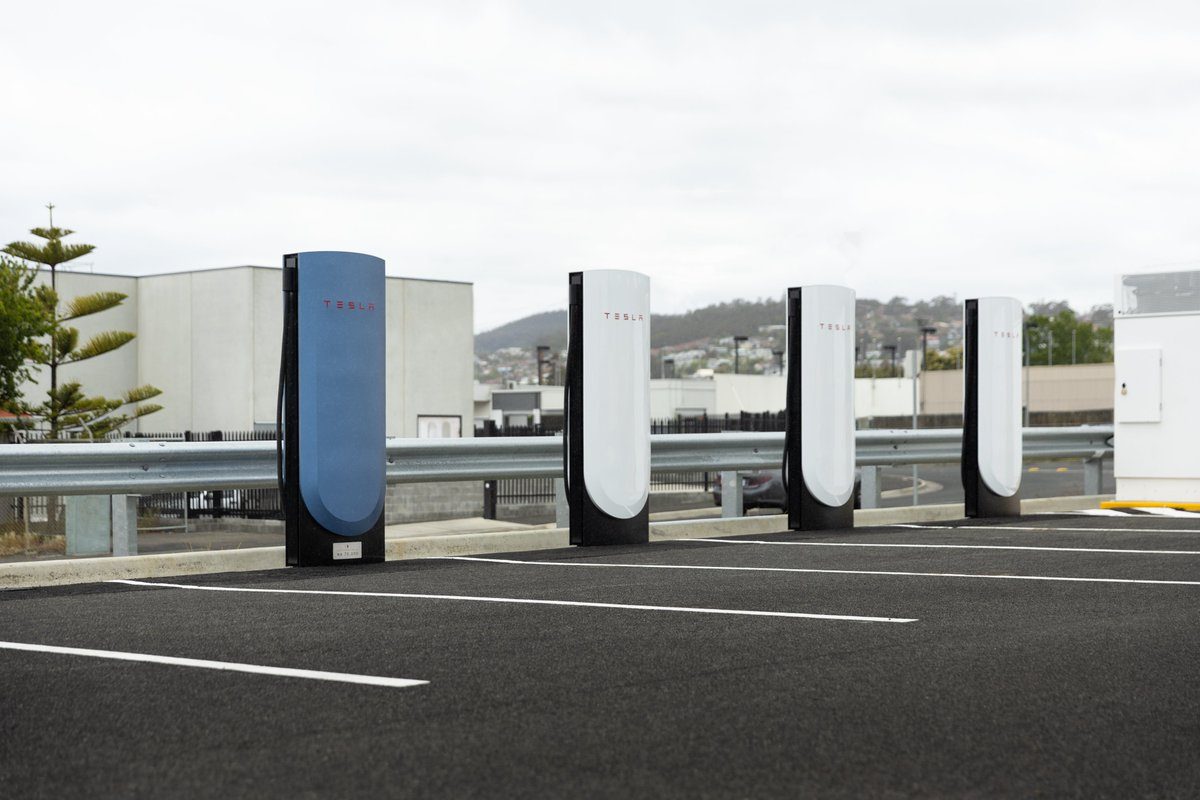
Tesla has recently made a commitment to address a significant “charging gap” in the Southern Plains region, following a heartfelt plea from a Tesla owner in Colorado. The official Tesla Charging account responded directly to the request, promising to bring more charging infrastructure to rural areas in Oklahoma and the Texas Panhandle.
The interaction began when Diana, a Tesla owner, shared the challenges her family faces when traveling to visit relatives in rural areas. Despite owning a Tesla Model 3 with Full Self-Driving capabilities, the lack of charging stations in certain regions has limited their ability to use the electric vehicle for long-distance trips.
In a message to Tesla, Diana expressed her frustration, stating that over the past three years living in Colorado, they have been unable to travel with their Tesla to visit her husband’s family in a small town in Oklahoma. This has resulted in them having to rely on a gas-powered vehicle for the 13-hour journey, instead of utilizing the convenience of FSD in their Tesla.
Diana highlighted the difficulties of maintaining a normal schedule while visiting rural areas due to the lack of charging infrastructure. Even if they managed to reach their destination, they would struggle to drive around while visiting and would have to rely on trickle charging to make it to a charger that is out of their way to get back home.
Her plea prompted Tesla to consider the impact on potential customers in underserved areas. The company acknowledged the issue and pledged to add Supercharger coverage in the region. They also encouraged other owners to participate in the quarterly Supercharger voting platform to help determine future locations for charging stations.
Following the positive response from Tesla, Diana suggested placing chargers in Guymon, Oklahoma, or Canadian, Texas, to better connect regional routes. This commitment to expanding the charging network in rural areas is a significant win for EV advocates who emphasize the importance of filling geographical gaps to make charging infrastructure more accessible and reliable for all drivers.
Overall, Tesla’s decision to address the charging gap in the Southern Plains demonstrates their commitment to improving the accessibility and reliability of their charging network, ultimately making electric vehicle ownership a viable option for individuals living in rural areas.