
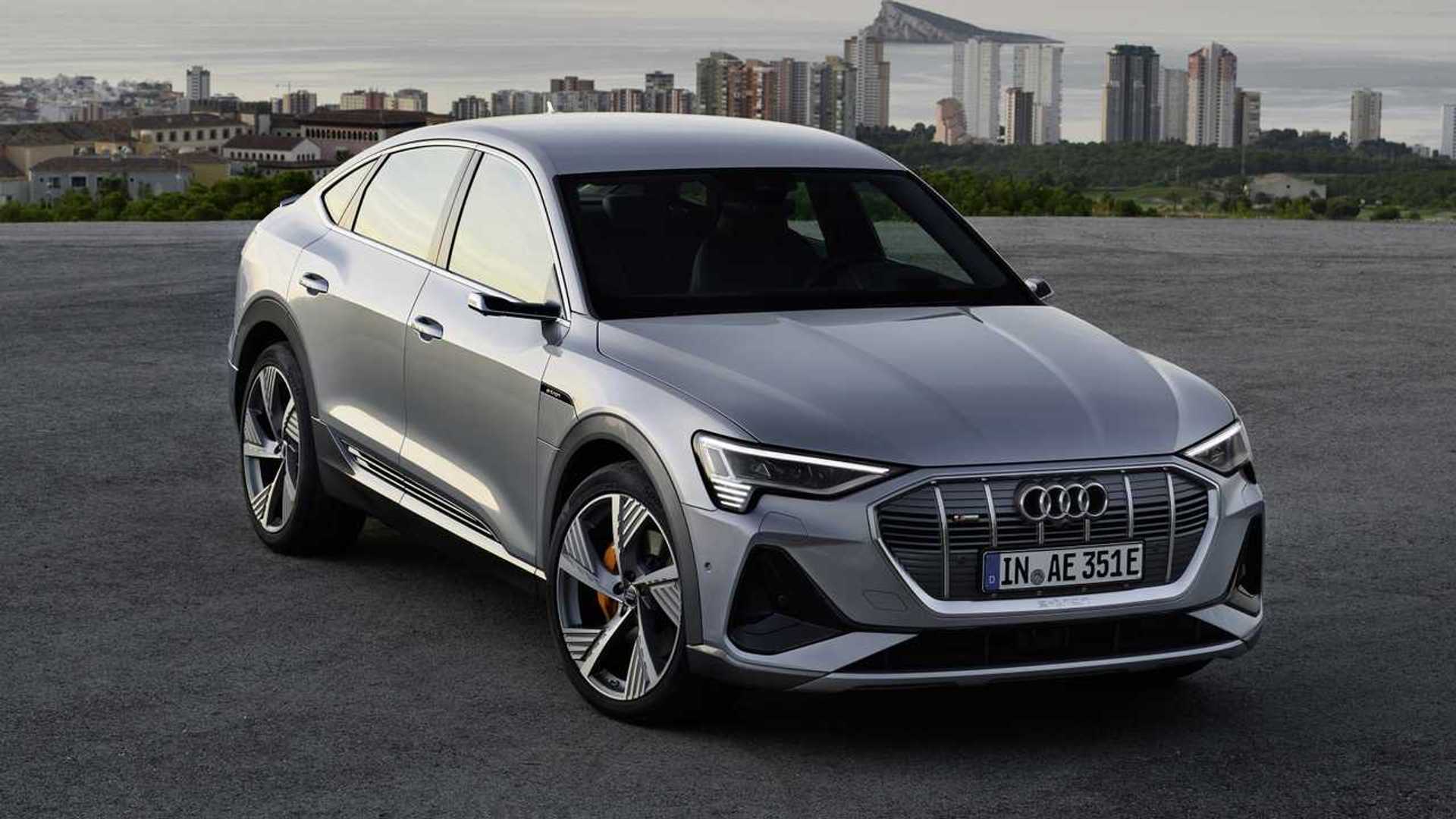
Audi is recalling nearly 20,000 E-Tron electric SUVs in the United States due to a potentially dangerous issue with the brake pedal. The recall affects 18,853 vehicles, including both the E-Tron and E-Tron Sportback models sold between 2019 and 2025. The problem stems from an improperly torqued screw that connects the brake pedal’s input rod to the actuator rod on the brake booster, which may detach and render the service brakes inoperable.
The National Highway Traffic Safety Administration (NHTSA) has not issued a “Do Not Drive” recommendation, but instead advises drivers to use the emergency brake if they experience a loss of brake pedal functionality. Audi has identified the part supplier, Aumovio, as the source of the issue, citing a malfunction in the production plant. Drivers may notice unusual noises or a failure of the brake pedal to return to its original position, signaling a potential problem with the connection.
To address the issue, Audi dealers will inspect the affected brake boosters and torque the screws to the manufacturer’s specifications at no cost to the owners. No parts will be replaced as part of the recall, and the fix is expected to resolve the safety concern. Despite the recall, Audi continues to face challenges with the E-Tron line, with increasing recalls, customer complaints, and manufacturer communications.
The German automaker is committed to addressing safety concerns promptly and ensuring the reliability of its electric SUVs. Owners of the affected E-Tron models are encouraged to contact their local Audi dealership to schedule an inspection and necessary repairs. By taking proactive measures, Audi aims to maintain the trust and confidence of its customers in the E-Tron brand. The world of technology is continually evolving, with new innovations and advancements being introduced on a regular basis. From smartphones to artificial intelligence, there is no shortage of exciting developments in the tech industry. One of the most recent and groundbreaking advancements in technology is the rise of virtual reality (VR) and augmented reality (AR) technology.
VR and AR technology have been around for several years, but in recent times they have become more accessible and widely used. VR technology allows users to immerse themselves in a completely virtual environment, while AR technology overlays digital information onto the real world. Both technologies have the potential to revolutionize the way we interact with the world around us.
One of the most popular applications of VR technology is in the gaming industry. VR gaming allows players to step into a virtual world and experience games in a whole new way. From immersive first-person shooters to realistic racing simulations, VR gaming offers a level of immersion and excitement that traditional gaming simply cannot match.
But VR technology is not limited to just gaming. It is also being used in a variety of other industries, including healthcare, education, and entertainment. In healthcare, VR technology is being used to train medical professionals and simulate surgical procedures. In education, VR technology is being used to create immersive learning experiences for students, allowing them to explore historical sites or dive deep into scientific concepts.
AR technology, on the other hand, is being used in a variety of different ways. One of the most popular applications of AR technology is in the world of advertising and marketing. AR technology allows brands to create interactive and engaging campaigns that blur the lines between the physical and digital worlds. For example, a furniture store could use AR technology to allow customers to see how a piece of furniture would look in their home before making a purchase.
Overall, VR and AR technology have the potential to completely transform the way we interact with technology and the world around us. As these technologies continue to evolve and become more accessible, we can expect to see even more exciting applications and advancements in the years to come. Whether it’s in gaming, healthcare, education, or advertising, VR and AR technology are set to revolutionize the way we experience the world.