
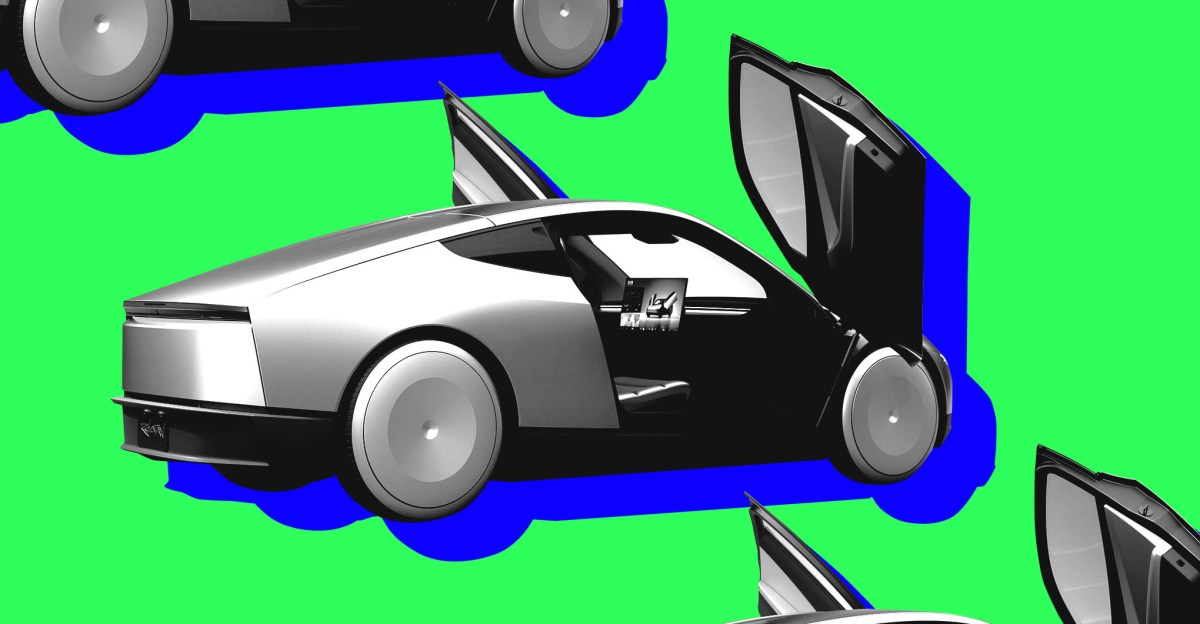
Tesla’s Cybercab has finally entered production at the company’s Gigafactory in Austin, Texas. This long-awaited milestone was announced on X, with Tesla releasing a video of the Cybercab driving out of the factory, showcasing its autonomous capabilities. While a few initial Cybercabs were produced back in February, continuous production only began this month.
However, despite this exciting development, Elon Musk, the CEO of Tesla, seems to be adopting a more cautious approach to the rollout of the robotaxi. In a recent earnings call, Musk expressed a level of pessimism regarding Tesla’s robotaxi expansion plans. He emphasized the importance of rigorous validation to ensure the safety of the vehicles, stating that the company aims to avoid any accidental injuries associated with the expansion of the Robotaxi service.
It is worth noting that Tesla has reported 14 crash incidents involving its robotaxis to the federal government since the service launched in Austin, Texas, a year ago. Unlike other robotaxi operators that provide detailed information about each crash, Tesla often redacts this information, leading to speculation and concerns about the safety of its autonomous vehicles.
Musk, known for his bold predictions and ambitious goals, has tempered his optimism regarding the timeline for achieving unsupervised Full Self-Driving. He acknowledged the challenges of ramping up production for the Cybercab and admitted that it would be a slow process until the end of the year.
Despite the setbacks and challenges, Tesla remains at the forefront of the autonomous driving industry. With the Cybercab designed to operate without any human intervention, Tesla is pushing the boundaries of AI-powered transportation. However, the company still faces hurdles, such as the lack of traditional controls required by Federal Motor Vehicle Safety Standards and the ongoing debate over self-certification claims.
In conclusion, while Tesla’s Cybercab production marks a significant milestone in the company’s autonomous vehicle journey, challenges remain in achieving full autonomy and expanding the robotaxi service. With Musk adopting a more cautious tone and emphasizing safety and validation, the future of Tesla’s autonomous vehicles remains uncertain but promising.