
manufacturing, the consequences could be dire.
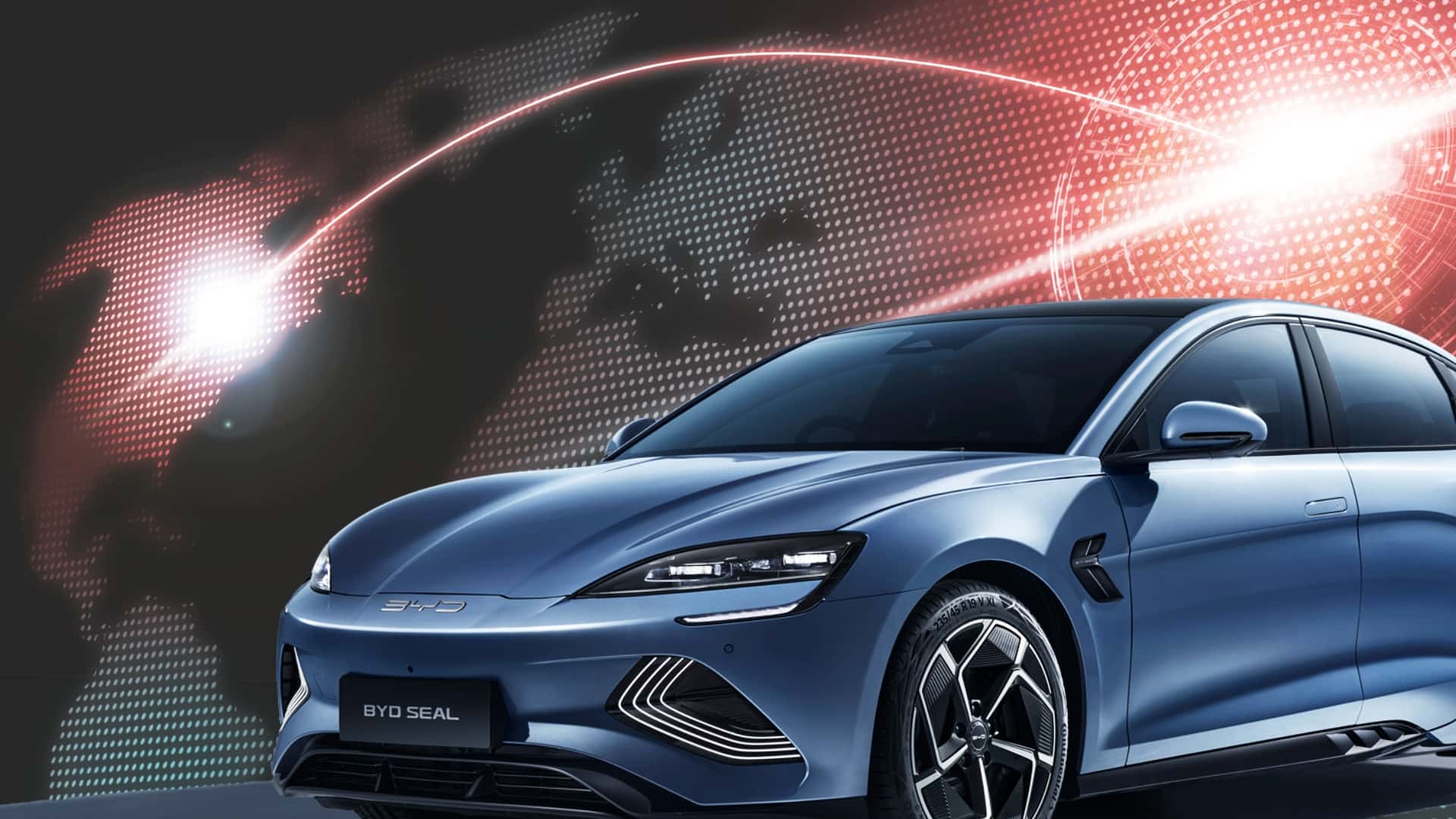
The concern over Chinese EV imports is not new, but Farley’s warning adds to the growing chorus of voices urging caution. The fear is that China’s heavily subsidized auto industry could flood the U.S. market with cheaper and more feature-rich electric vehicles, posing a serious threat to American manufacturers. With over 100 companies in China building electric cars, there is a significant overcapacity that could easily spill over into the U.S. market.
Farley’s concerns extend beyond just the economic impact. He also highlighted the “cyber and privacy” risks associated with Chinese vehicles, pointing out that they come equipped with cameras that can collect a vast amount of data. This has raised concerns among both industry experts and the U.S. government, leading to rules banning Chinese-sourced connectivity technology in cars.
While Europe and Canada are opening their doors to Chinese EV imports, Farley remains adamant that the U.S. should not follow suit. He expressed worry over Canada’s new policy allowing a limited number of Chinese imports at a lower tariff rate, emphasizing the need to protect American manufacturing.
The debate over Chinese EV imports has sparked bipartisan concern, with both Democrats and Republicans voicing alarm over the potential economic and national security risks. While protectionism may safeguard American jobs and industries, it also denies consumers access to cutting-edge car technology available in other parts of the world.
As the discussion continues, it remains to be seen how the U.S. will navigate the delicate balance between protecting its domestic auto industry and embracing innovation from abroad. Farley’s warning serves as a stark reminder of the stakes involved in this debate and the need for careful consideration moving forward. , he wants to ensure that Ford’s vehicles are competitive in the Chinese market. This means that Ford must invest in high-quality materials, advanced technology, and innovative design to attract Chinese consumers.
Other automakers, such as Tesla, are also pushing the boundaries of what is possible with electric vehicles. Tesla’s Model S has set the standard for performance, range, and technology in the electric car market. Other automakers are racing to catch up, developing their own electric vehicles with similar features and capabilities.
But where does the line get drawn? How far should automakers go to push the boundaries of innovation? Some argue that automakers should focus on making practical, affordable vehicles that meet the needs of the average consumer. Others believe that automakers should continue to push the limits of technology and design to create groundbreaking vehicles that push the industry forward.
Ultimately, the decision lies with the automakers themselves. They must weigh the costs and benefits of pushing the boundaries of innovation and decide what is best for their company and their customers. Whether they choose to focus on practicality or push the limits of technology, one thing is clear: the future of the automotive industry is sure to be exciting and full of innovation.