
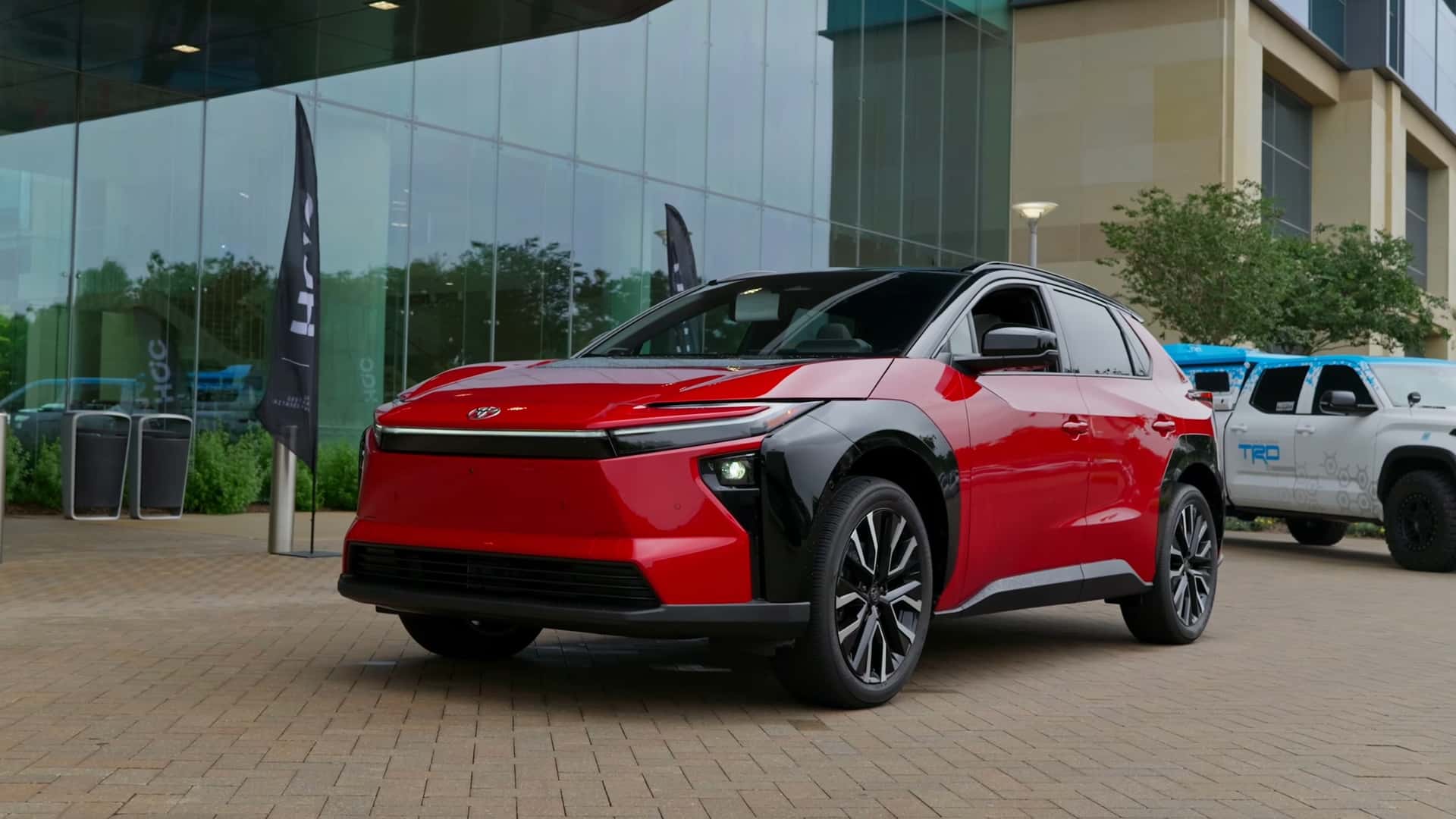
Toyota’s success with the bZ is a significant shift for the company, which has historically been slow to embrace electric vehicles. However, with the bZ poised to become the top-selling non-Tesla EV in the country for the first quarter of 2026, Toyota has suddenly emerged as a formidable player in the EV market.
In the first three months of the year, Toyota sold an impressive 10,029 units of the bZ crossover, marking a substantial 79% increase over the same period in the previous year. This surge in sales has propelled Toyota to the forefront of the EV landscape, positioning the company as a serious contender in the industry.
Stephanie Valdez Streaty, director of industry insights at Cox Automotive, expressed her admiration for Toyota’s sudden rise to prominence, stating, “That’s one brand I’m going to watch in the next six months.”
While some manufacturers have yet to report their first-quarter sales, the bZ has already surpassed popular EV models like the Ford Mustang Mach-E and the Hyundai Ioniq 5 in terms of sales volume. This achievement solidifies Toyota’s position as a leader in the EV market and sets the stage for further success in the coming months.
Despite a 28% decline in overall EV sales in the U.S. during the first quarter of 2026, Toyota’s aggressive marketing and incentive strategies have enabled the company to capture a larger share of the market. By offering substantial discounts on the bZ, Toyota has managed to attract a significant number of customers and increase its market share in the EV segment.
Valdez Streaty highlighted Toyota’s effective strategy of prioritizing market share through generous incentives, noting that this approach has proven successful for the company. In February alone, Toyota bZs were sold with incentives equivalent to 30% of their average transaction price, indicating the company’s commitment to expanding its presence in the EV market.
Overall, Toyota’s remarkable performance with the bZ signals a new era of success for the company in the electric vehicle sector. With the introduction of three new electric models in 2026, Toyota is poised to further solidify its position as a leading player in the evolving EV market landscape. The electric vehicle (EV) market saw a significant increase in sales during the past month, with the industry-wide EV average reaching 14.2%. One standout performer in this growing market was Toyota, whose bZ model experienced a surge in popularity. A Toyota spokesperson attributed this success to the company’s strategic pricing structure, which takes into account market conditions, vehicle content, and the competitive landscape.
The bZ model underwent a complete overhaul for the 2026 model year, making it a more attractive option for consumers. Toyota not only lowered the price of the base model by over $2,000 but also increased its maximum range to an impressive 314 miles. Despite these improvements, some critics have pointed out that Toyota’s EVs still lack features like one-pedal driving and built-in route planning.
Despite these shortcomings, Toyota’s strong brand reputation has undoubtedly played a role in the bZ’s success. While the automaker may have been perceived as an EV laggard in the past, many Americans still trust Toyota to deliver reliable and well-priced vehicles. In a recent poll conducted by Cox, Americans ranked Toyota as the top brand they would consider purchasing an EV from, further solidifying the company’s position in the EV market.
Overall, Toyota’s bZ model’s sudden rise in popularity can be attributed to a combination of factors, including improved features, competitive pricing, and the brand’s strong reputation. As the EV market continues to grow and evolve, it will be interesting to see how Toyota and other automakers adapt to meet consumer demand for electric vehicles.