
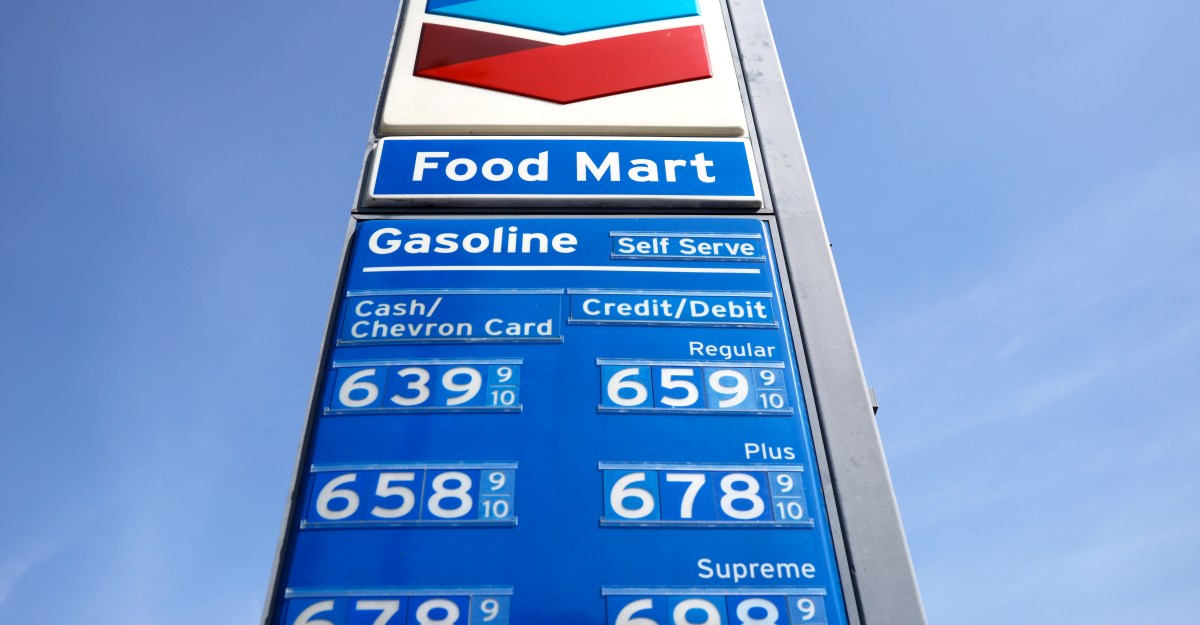
High gas prices are causing car shoppers to rethink their vehicle choices, with many considering energy-saving alternatives like hybrids and electric vehicles. Tomi Mikula, founder of Delivrd, a car-buying consultancy, has noticed a significant increase in interest in hybrids, especially as gas prices continue to rise. One recent deal closed by Mikula involved a Michigan family trading in their gasoline Toyota SUV for a Hyundai Ioniq 9 Calligraphy, a top-shelf, three-row electric SUV.
Toyota’s decision to focus on building hybrid versions of popular models like the RAV4 and Camry is paying off, as consumers seek more fuel-efficient options amid soaring gas prices. Mikula notes that the hybrid-only 2026 RAV4 is in high demand, with dealerships experiencing shortages of hybrid inventory for other models as well.
The spike in gasoline prices is expected to cost Americans billions of dollars each month, prompting more car shoppers to consider EVs. Ivan Drury, director of insights at Edmunds, reports that the percentage of car shoppers considering buying an EV has increased from 9.5% to 12%, a nearly 20% gain, in response to high fuel prices.
Despite the increased interest in hybrids and EVs, Drury advises car owners to carefully consider their options before making a purchase, as high prices and interest rates may offset potential fuel savings. He suggests that buyers coming off leases or already in the market may be more likely to switch to a hybrid or EV in response to rising gas prices.
Legacy automakers, who initially resisted the shift to EVs, are now facing pressure to adapt as consumers seek more fuel-efficient options. Brands like Toyota, Honda, Hyundai, and Kia, known for their hybrid offerings, could gain market share if gas prices remain high.
For buyers looking for relief from high gas prices, Drury recommends considering economical used cars, including EVs, which offer significant savings and immunity from volatile gas prices. Popular used EVs like the Nissan Ariya, Tesla Model 3, and Ford Mustang Mach-E are available at affordable prices and offer impressive driving ranges.
In conclusion, while Americans have historically favored trucks and SUVs over smaller, more fuel-efficient vehicles, the current gas price crisis may prompt a shift towards hybrids and EVs. As consumers face the reality of rising fuel costs, the automotive industry is likely to see increased demand for energy-saving alternatives.