
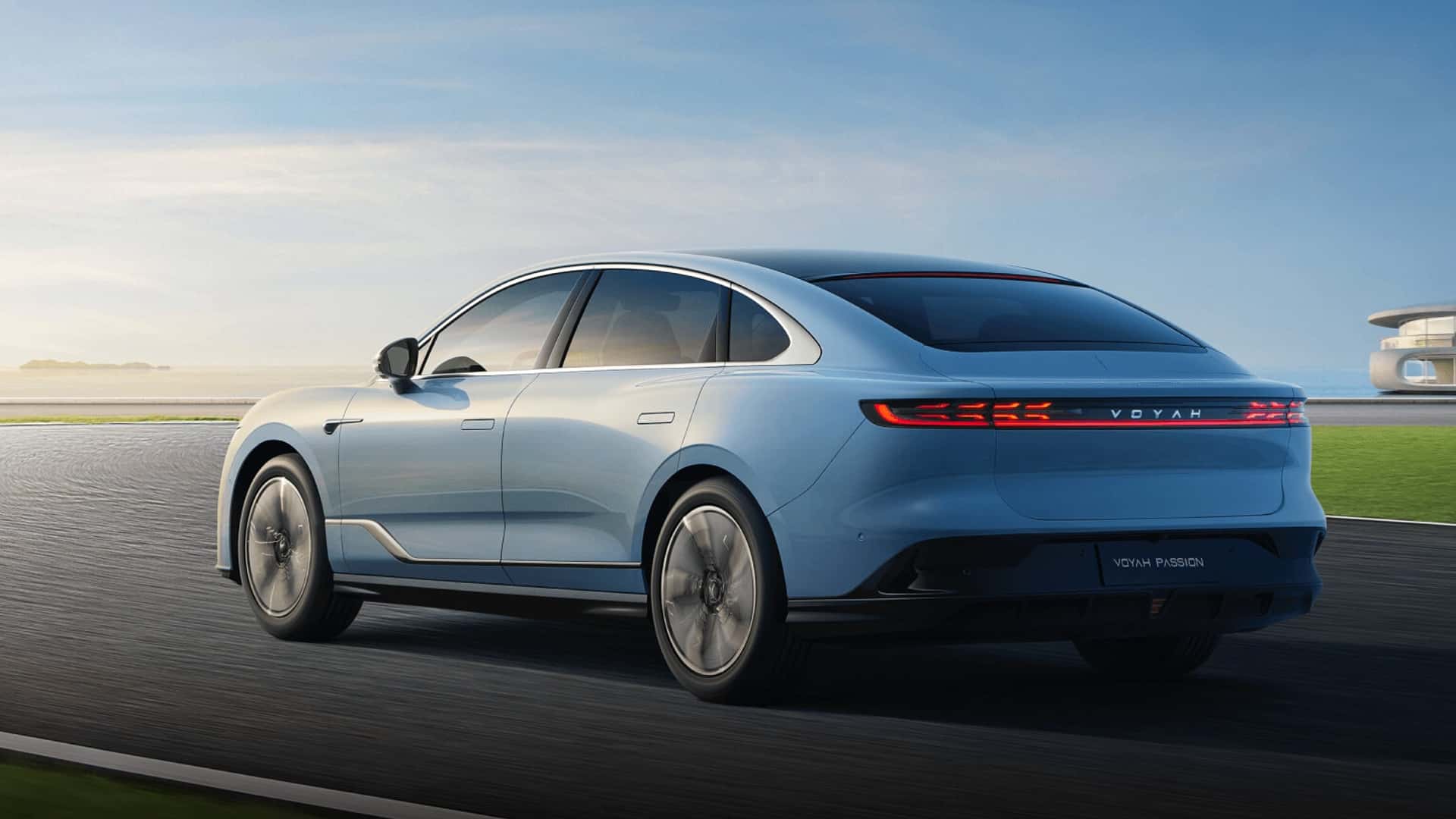
Stellantis, the automotive powerhouse behind brands like Jeep and Ram, has recently inked a groundbreaking joint venture agreement with China’s Dongfeng to produce Voyah electric vehicles at one of its European facilities. This move comes on the heels of a similar partnership with Leapmotor, where Chinese EVs are manufactured in Spain to avoid hefty import tariffs.
Chinese electric vehicles face substantial import duties in the European Union, making local production a more cost-effective option for automakers. Stellantis’ deal with Dongfeng will see the production of Voyah EVs at its plant in Rennes, France, which currently operates below its full capacity. Additionally, as part of the agreement, Dongfeng will also manufacture Peugeot and Jeep vehicles in China.
Stellantis has prior experience in collaborating with Chinese manufacturers, as evidenced by its partnership with Leapmotor. Initially producing electric city cars in Poland, Leapmotor shifted its production to Spain, where it now assembles electric crossovers at a Stellantis facility. Reuters reports that Leapmotor is eyeing further expansion with Stellantis, exploring unused production capacity in other European factories.
Notably, Leapmotor will provide the platform and key components for a new Opel electric crossover, marking one of the first instances of a European-branded vehicle built on Chinese technology. This trend of Chinese automakers localizing production in Europe is gaining traction, with BYD establishing a large factory in Hungary, Chery partnering with Spain’s Ebro, and Xpeng and GAC collaborating with Austria’s Magna Steyr.
While European tariffs were initially intended to shield the local car industry from cheaper Chinese imports, they have inadvertently spurred a wave of Chinese expansion into the region. Automakers are now seeking manufacturing facilities and partnerships within Europe to navigate tariffs and gain a stronger foothold in the market. For Stellantis, this presents an opportunity to optimize underutilized plants, access advanced EV technology, and potentially introduce more competitively priced electric vehicles to its European lineup. In essence, Europe’s next wave of affordable EVs may not be imported from China but produced right within the continent. Chinese-engineered cars built in European factories have been gaining popularity in recent years, offering buyers the chance to drive vehicles with familiar badges but with a unique twist. These cars combine the engineering expertise of Chinese manufacturers with the precision and quality control of European factories, resulting in a winning combination that appeals to a wide range of consumers.
One of the key selling points of these cars is the fact that they often come with badges that buyers already know and trust. This can help alleviate any concerns about the reliability and performance of a relatively new brand, as consumers can rely on the reputation of established manufacturers. In addition, the blend of Chinese engineering and European manufacturing can result in innovative designs and features that set these cars apart from the competition.
By producing cars in European factories, Chinese manufacturers can also benefit from the high standards of quality control and craftsmanship that are synonymous with European car production. This can help ensure that the final product meets the expectations of discerning customers who demand nothing but the best in terms of performance, safety, and comfort.
Furthermore, the collaboration between Chinese and European companies can lead to the development of cutting-edge technologies that push the boundaries of what is possible in the automotive industry. From electric vehicles to autonomous driving systems, these cars are often at the forefront of innovation and can offer a glimpse into the future of transportation.
Overall, Chinese-engineered cars built in European factories represent a compelling option for buyers who are looking for a blend of reliability, performance, and innovation. With familiar badges and a commitment to quality, these vehicles are poised to make a significant impact on the automotive market in the years to come.