
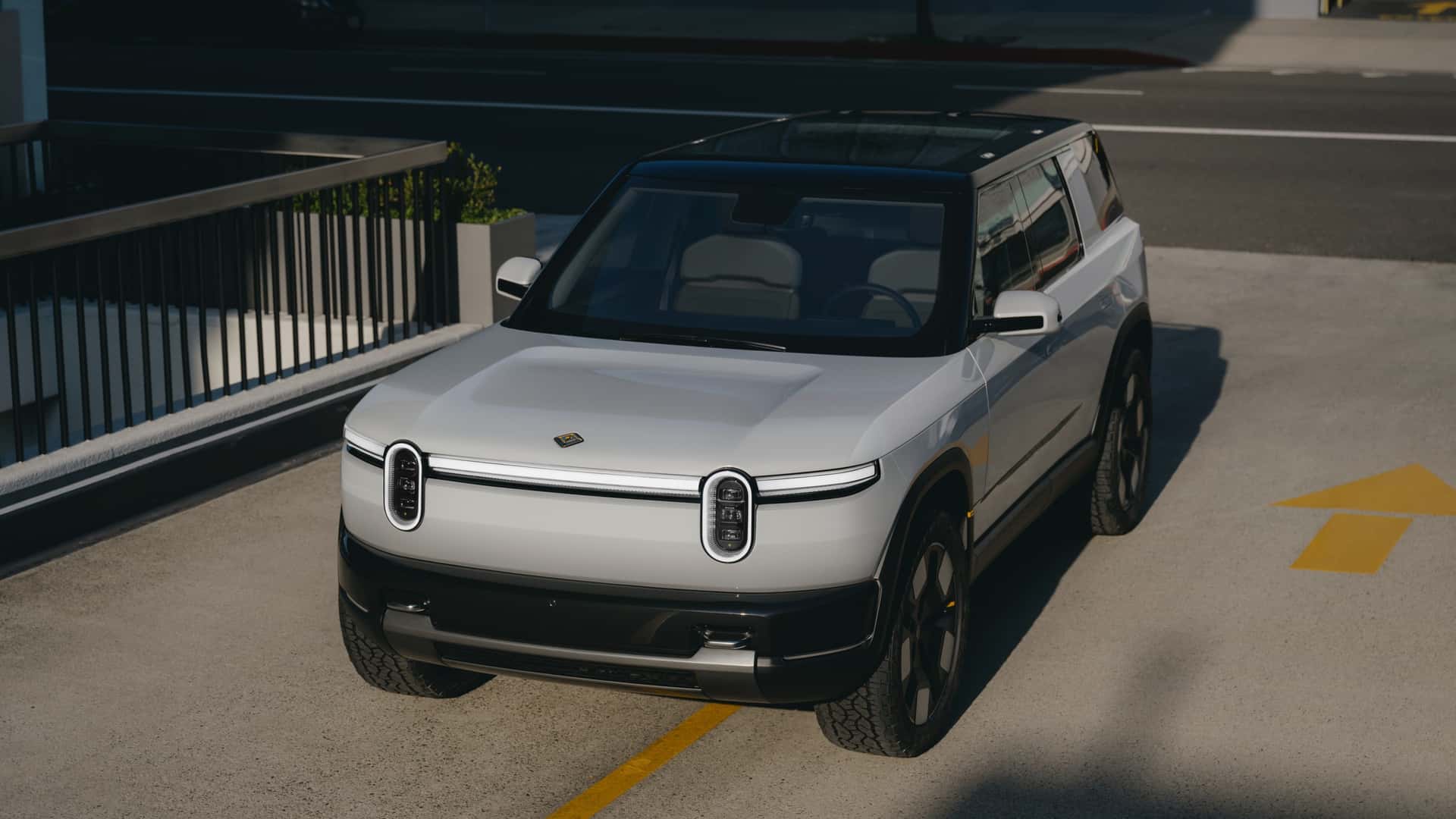
The highly anticipated launch of the Rivian R2 is just months away, and the automaker has confirmed some important details about the vehicle’s autonomy features. While the R2 will eventually be equipped with lidar technology, the earliest units of the vehicle will launch without this hardware.
In a recent statement to InsideEVs, Rivian revealed that there will be no retrofitting path for early adopters to add lidar hardware to their vehicles once it becomes available. This means that those who purchase the R2 at launch will have to rely on a camera-and-radar-based system for their vehicle’s autonomy features.
The announcement was made during Rivian’s AI and Autonomy Day event, where the company outlined its plans for the R2’s rollout. Despite the delay in receiving lidar hardware, Rivian assured customers that the R2 will launch with an elevated version of the Gen 2 architecture.
The decision not to offer a retrofitting path for lidar hardware highlights Rivian’s commitment to its Gen 3 autonomy architecture implementation. This next-generation technology is made possible by the Rivian Autonomy Processor (RAP1), which was specifically designed in-house for the brand’s advanced compute hardware.
While early models of the R2 will not have the option to upgrade to lidar, Rivian promises that these vehicles will still benefit from the brand’s improved 65-megapixel HDR camera system and enhanced dual-mode corner radar. This ensures that even without the latest hardware, the R2 will still offer cutting-edge autonomy features to its customers. Rivian, the electric vehicle manufacturer, has made a bold decision to launch its upcoming R2 model without the inclusion of lidar technology. This move has sparked some debate within the industry, as lidar is considered a crucial component for achieving higher levels of autonomy in self-driving vehicles. While the R2 will still offer hands-free driving capabilities through its advanced cameras and radar systems, some experts believe that it may fall short in comparison to lidar-equipped cars that offer Level 4 autonomous features.
Despite the potential limitations of not having lidar, Rivian stands by its decision, emphasizing its commitment to offering the R2 at a starting price of $45,000. The company believes that by excluding lidar from the initial rollout of the R2, it can maintain affordability without compromising on the vehicle’s overall performance. In fact, Rivian anticipates that the R2’s hardware will surpass the capabilities of its current Gen 2 R1 vehicles, even without lidar technology.
According to a Rivian spokesperson, the R2 will come equipped with advanced compute power and sensors that will be continuously upgraded to enhance its autonomous features. This strategy allows Rivian to introduce cutting-edge technology at a more accessible price point, making the R2 one of the most advanced vehicles in its class. By leveraging advanced cameras and radar systems, Rivian aims to provide core safety features and competitive pricing to appeal to a broader market.
While Rivian’s decision to exclude lidar from the R2 may raise questions about its autonomy capabilities, the company has not yet confirmed whether lidar will be available on higher trims of the vehicle. With the R2 set to launch in late 2026, Rivian has indicated that more information on trims and options will be revealed closer to the release date. This suggests that base trims of the R2 produced in late 2026 may not offer lidar technology, potentially limiting their autonomous capabilities.
Despite the absence of lidar, the R2 is expected to deliver a compelling driving experience with hands-free capabilities and advanced safety features. For consumers who prioritize other aspects of a vehicle over full autonomy, the R2 still promises to be a competitive option in its category. When the R2 finally arrives on the market, buyers can rest assured that they won’t miss out on essential features, even without lidar technology.