
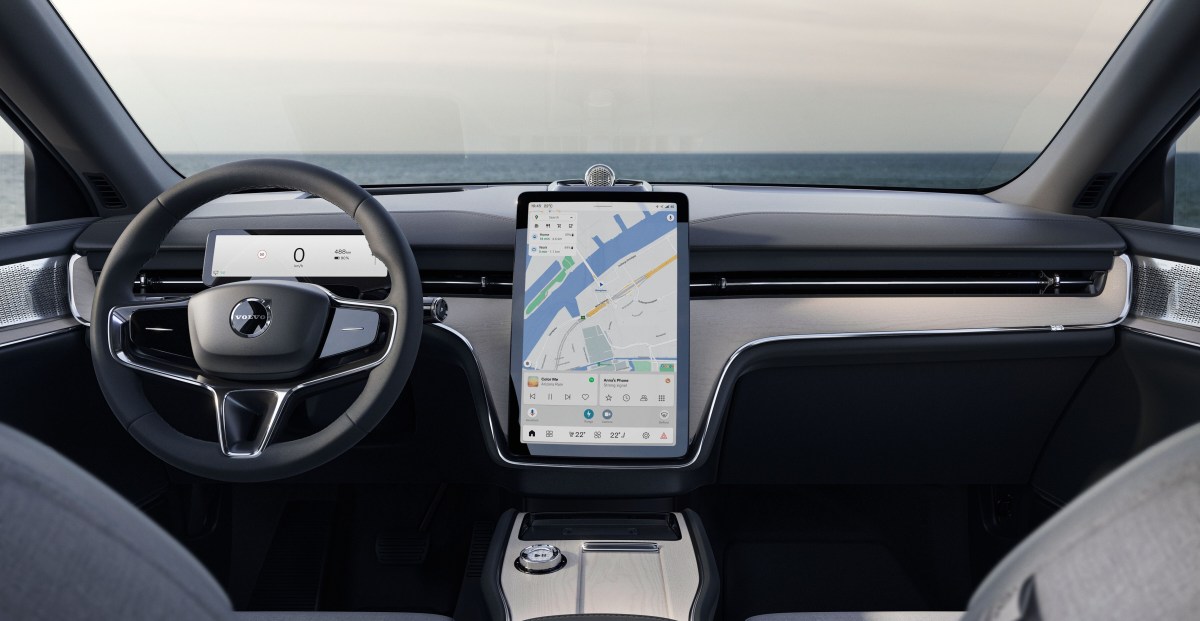
Google recently made a significant announcement regarding its Android Automotive open-source operating system for software-defined vehicles. While the previous version of Android Automotive was limited to the car’s infotainment system, Google is now expanding its reach to the non-safety components of the vehicle’s internal computer system.
In today’s world, cars have essentially become “computers on wheels,” leading to a considerable amount of fragmentation within the automotive industry. Different car manufacturers utilize various software modules from numerous suppliers, resulting in a lack of uniformity. Google aims to address this fragmentation issue by positioning itself as the primary software provider for the industry.
However, Google asserts that its goal is not solely to monopolize the market but also to enhance the overall driving experience for consumers. With the introduction of the new Android Automotive OS for Software-Defined Vehicles, users can expect a more seamless in-car experience with quicker access to the latest features. Matt Crowley, Android Automotive’s group product manager, highlighted in a blog post that the integration of voice commands and proactive maintenance reminders will transform the car into an extension of one’s digital life.
The new software promises faster over-the-air updates, improved voice assistants, and proactive vehicle maintenance alerts. Additionally, non-driving functions such as climate control, lighting, and seating adjustments will be managed by Android. The system will offer a unified ecosystem for features like remote cabin conditioning, digital key management, and personalized driver profiles, moving beyond traditional infotainment capabilities.
For automakers, Google’s new system presents an opportunity to reduce software development costs and focus on enhancing their brand identity. By providing foundational code and a standardized platform for software development, Google enables automakers to create unique experiences for their customers.
Google has already partnered with companies like Renault Group and Qualcomm to expand the adoption of its software-defined vehicle version of Android Automotive. Several automakers, including Volvo, Polestar, General Motors, Nissan, and Honda, currently utilize the standard Android Automotive system.
In a bid to gain more control over software development efforts, Google is competing with Apple, which also offers phone-mirroring services like Apple CarPlay. Both companies are now pushing for deeper integration with vehicle systems. Apple recently introduced its CarPlay Ultra feature, which takes over core functions such as HVAC and radio controls. The feature is currently available on select Aston Martin vehicles and will soon be integrated into Porsche vehicles.
Overall, Google’s expansion of Android Automotive into the realm of software-defined vehicles represents a significant step towards creating a more cohesive and technologically advanced driving experience for consumers. As the automotive industry continues to evolve, the collaboration between tech giants like Google and automakers will play a crucial role in shaping the future of connected vehicles.