
The cost of owning an electric vehicle (EV) has long been touted as being lower than that of traditional internal combustion-engine (ICE) cars, mainly due to the reduced maintenance costs associated with fewer moving parts. However, a recent study by Insurify has shed light on one significant hidden cost that EV owners face – insurance.
According to the study, the average cost to insure a newer EV (from the 2024 model year and newer) is about 18% higher than the cost for a similar gas-powered vehicle. This means that on average, EV owners spend $501 more each year on insurance compared to gas vehicle owners. For full coverage, the average annual insurance cost for a newer EV is $3,293, while it is $2,792 for a newer gas-powered vehicle.
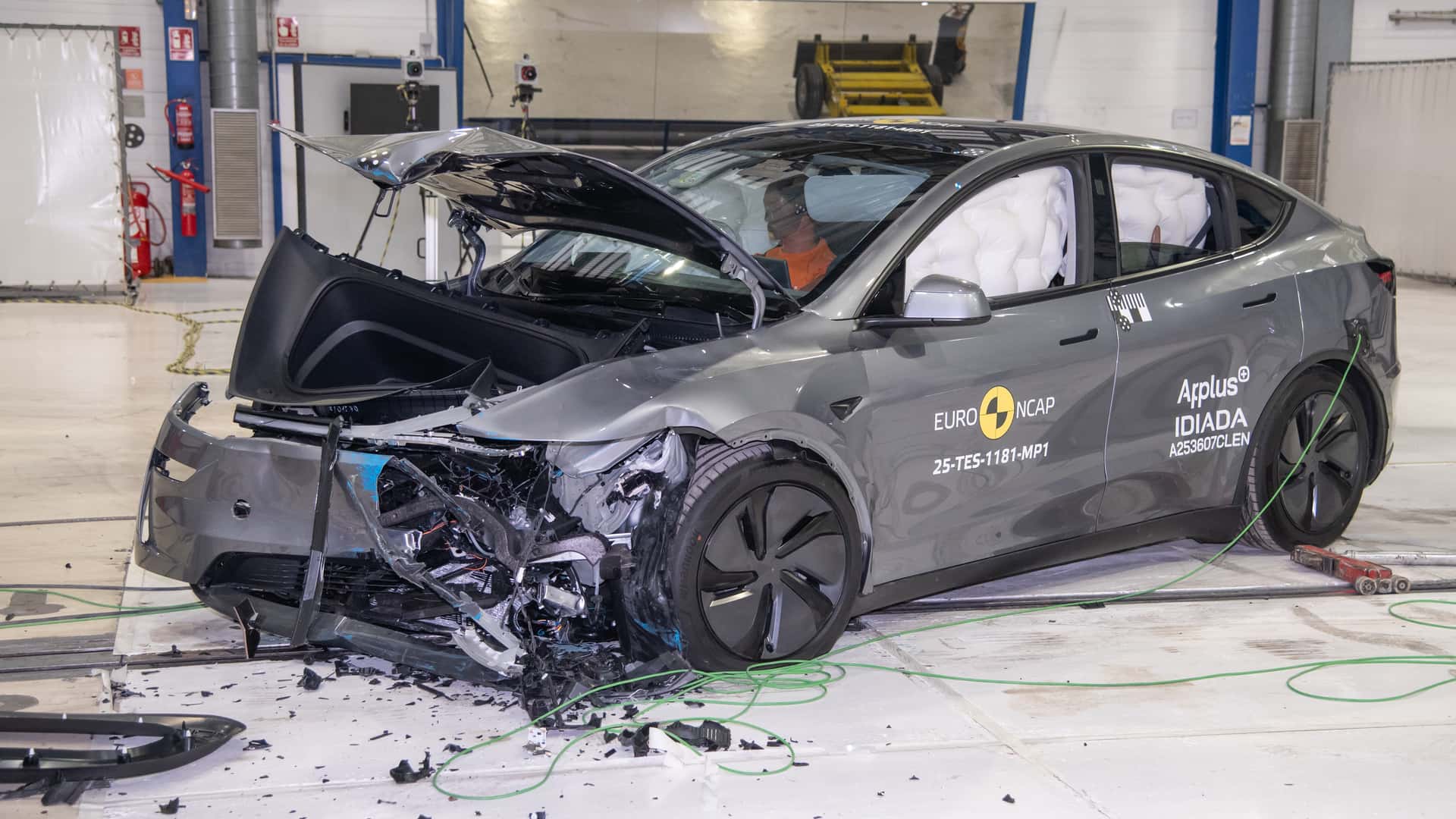
When considering all vehicles, regardless of model year, the gap widens even further. Insuring an EV costs the average owner around $941 (or 42%) more each year compared to the average gas-powered vehicle. This cost difference is largely driven by the higher repair costs associated with EVs, especially in densely populated areas where collision risks are higher. Additionally, the need for specialized technicians and limited service networks in some areas can drive up repair times and costs.
Another significant factor contributing to the higher insurance costs of EVs is the expensive battery packs. Replacement battery packs can cost anywhere from $10,000 to $20,000, although prices have been steadily decreasing. BloombergNEF reported that battery prices fell to around $108 per kilowatt-hour in 2025, marking a significant cost reduction since 2015.
The higher purchase price of EVs also plays a role in their higher insurance costs, as they tend to skew toward the luxury end of the spectrum. Since 2023, insurance costs for all vehicles have increased, but EV insurance costs have risen at a faster rate. Over the last year, EV insurance rates have dropped by 11.1%, compared to just 7.7% for gas-powered cars.
Luxury EVs tend to be among the most expensive to insure, given their higher purchase price and repair costs. Despite these challenges, the overall cost delta between EVs and gas cars has been decreasing year over year, providing some relief to EV owners. As the EV market continues to evolve and mature, it is likely that insurance costs will become more competitive and affordable in the future. In the Bay State, insuring an electric vehicle costs a whopping 35% more than a traditional gas-powered car. Other states with high EV insurance premiums include Michigan, Kentucky, and Georgia.
Why do EVs typically cost more to insure? One reason is that they often have higher sticker prices than their gas-powered counterparts, so insurance companies have to account for potential repair or replacement costs. Additionally, EVs are still a relatively new technology, which can lead to higher repair costs due to limited availability of parts and specialized mechanics.
Another factor to consider is the cost of batteries in EVs. If an electric vehicle is involved in an accident that damages the battery, it can be expensive to replace. This added risk is reflected in higher insurance premiums for EVs.
Despite the higher insurance costs, many drivers are still attracted to the benefits of electric vehicles, such as lower fuel costs, reduced emissions, and a quieter ride. As technology continues to improve and EVs become more mainstream, it’s possible that insurance costs could decrease as well.
For now, if you’re in the market for an electric vehicle, it’s important to factor in the cost of insurance when making your decision. Shopping around for quotes from different insurance companies can help you find the best deal for your specific vehicle and driving history. And remember, where you live can also have a big impact on how much you’ll pay to insure your electric ride.