
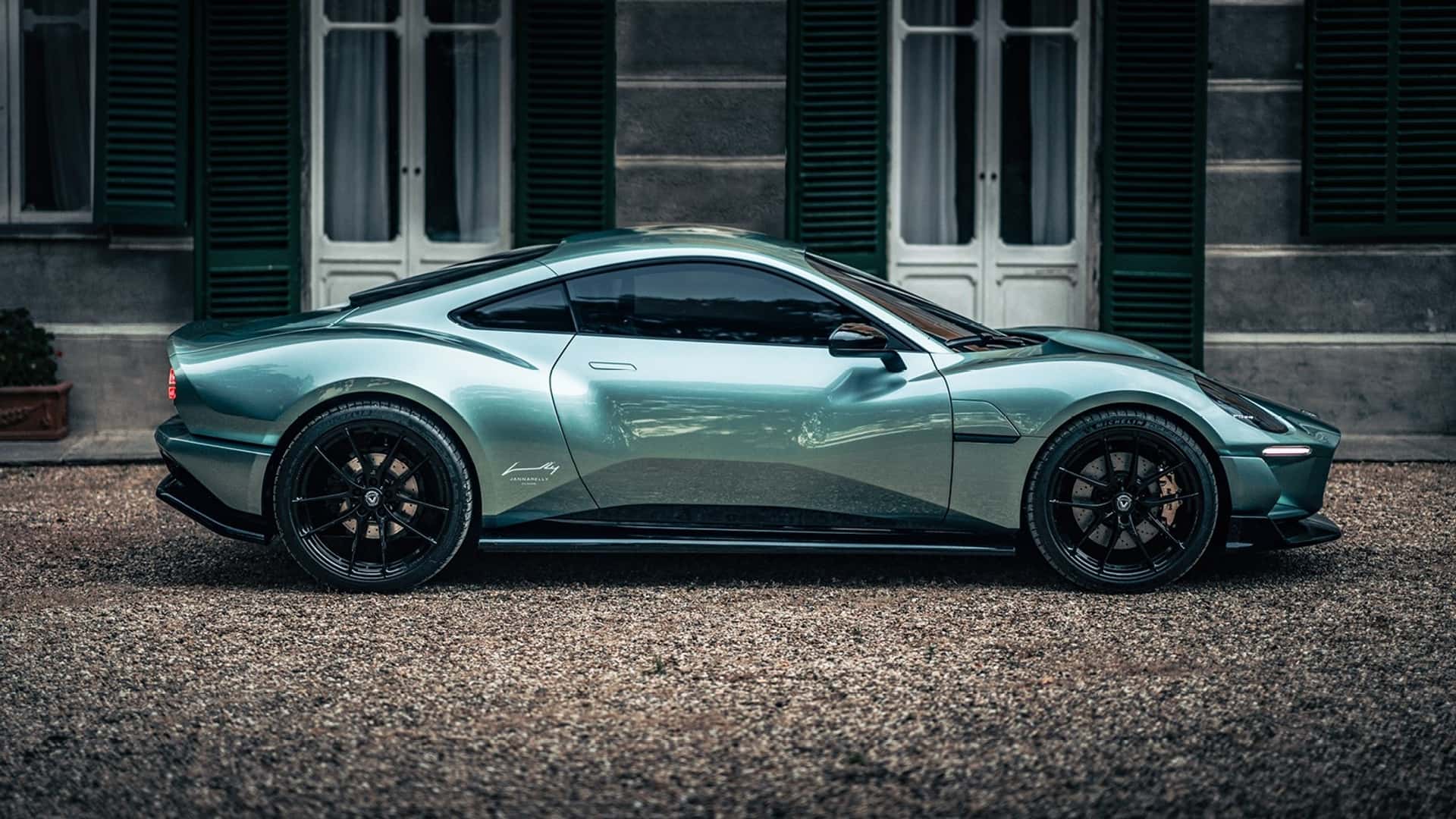
One of the most interesting features of the Project V is its Tesla-style NACS charging port, which allows for quick and easy charging. The unusual battery setup, split into two modules, allows for easier maintenance and replacement if needed. The lightweight design of the car, combined with the instant torque of the electric motor, promises a fun and exhilarating driving experience.
While Caterham is known for its no-frills, lightweight, and driver-focused approach to sports cars, the Project V marks a new era for the company as it embraces electric power. The decision to enter the US market reflects the growing demand for electric vehicles and the desire for unique and exciting options beyond the mainstream offerings.
With the Project V set to hit American roads next year, enthusiasts and eco-conscious drivers alike will have the opportunity to experience the thrill of a Caterham sports car in a whole new way. The future looks bright for this British automaker as it takes on the challenge of electrification and continues to push the boundaries of performance and innovation in the automotive industry.
Caterham, known for its lightweight sports cars, is now venturing into the electric vehicle market with its new Project V Electric Sports Car. While the vehicle may be new, it sticks to the basics when it comes to safety features, with ABS, traction control, and airbags being the primary focus.
One of the key elements of the Project V Electric Sports Car is its simplicity. Inside, there is a small touchscreen for Apple CarPlay, Android Auto, and the rearview camera display. The dashboard is a flat, basic surface, and the instrument cluster is analog. Caterham aims to keep costs down by using off-the-shelf parts as much as possible, making it easier to build.
The e-motor with an integrated inverter for the Project V comes from Yamaha Motor, while the split battery pack is sourced from Xing Mobility. Interestingly, the early prototype of the vehicle had the same door aperture as the Audi TT and used seats identical to those found in Maserati vehicles.
In terms of performance, the battery in the Project V Electric Sports Car provides a WLTP-estimated range of 249 miles on a full charge, with a maximum charging power of 100 kW. While these specs may not be groundbreaking, Caterham’s focus is not on charging time but rather on discharge time. According to a statement from Caterham to Car and Driver, the company is aware that its customers may push the vehicle to its limits, and they want to ensure that the car can handle rapid discharge without overheating.
Overall, the Caterham Project V Electric Sports Car may not have all the bells and whistles of some other electric vehicles on the market, but its focus on simplicity, performance, and catering to the needs of its target audience sets it apart in the EV landscape.