
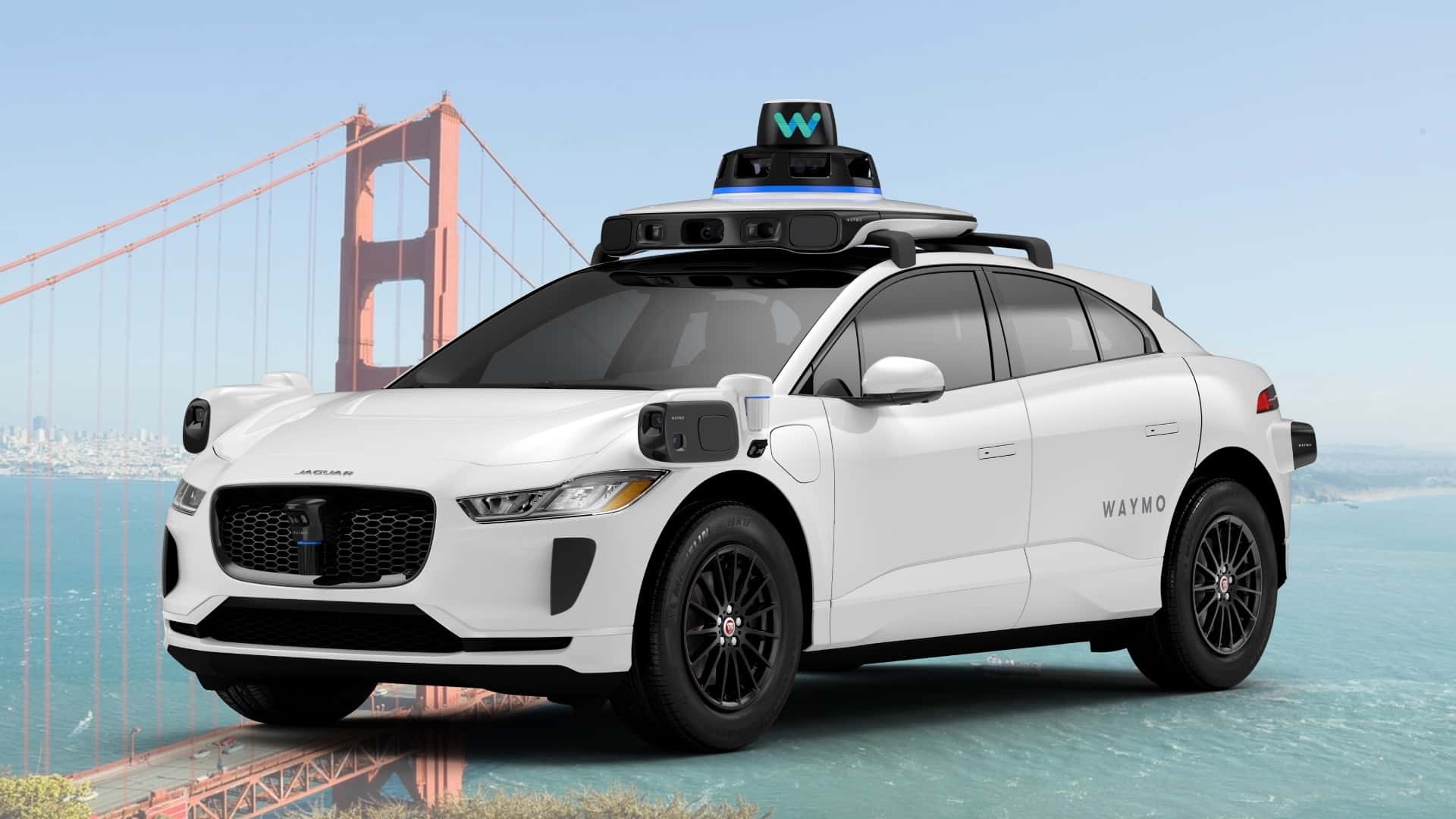
Despite these incidents, the push for autonomous vehicles continues to gain momentum. Tesla, Uber, and several other companies are also ramping up their efforts to scale their robotaxi operations. Tesla, in particular, has been a major player in the autonomous vehicle space, with its Autopilot system and plans to launch its own robotaxi service.
Uber, on the other hand, has been testing its autonomous vehicles in several cities and is looking to expand its operations. The company recently announced a partnership with Aurora Innovation, a self-driving technology company, to accelerate the development of autonomous vehicles.
With more companies entering the autonomous vehicle market, it’s clear that the future of transportation is heading towards a driverless world. While there are still concerns about the safety and reliability of autonomous vehicles, the technology continues to improve and evolve.
As more Americans are exposed to autonomous vehicles through companies like Waymo, the acceptance and adoption of this technology are expected to increase. While there may be some skepticism and concerns, the potential benefits of autonomous vehicles, such as reduced accidents and traffic congestion, are hard to ignore.
As we move towards a future where autonomous vehicles are a common sight on the roads, it will be interesting to see how public sentiment continues to evolve. For now, companies like Waymo, Tesla, and Uber are leading the way in shaping the future of transportation.
Recently, a concerning incident involving an autonomous vehicle has come to light, prompting a federal investigation. The incident, which occurred in a city where Waymo operates, has raised questions about the safety and reliability of driverless cars.
According to reports, the autonomous vehicle in question was involved in a collision with another vehicle, resulting in significant damage and injuries to the occupants. The circumstances surrounding the incident are still unclear, but it has sparked a debate about the risks associated with autonomous technology.
As the investigation progresses, concerns about the safety of autonomous vehicles have been brought to the forefront. Many people, especially women and parents, have expressed reservations about the use of driverless cars, citing worries about potential accidents and malfunctions.
A recent survey revealed that a significant number of women living in areas where Waymo operates are more concerned about the safety of autonomous vehicles than the risk of harassment or assault by human drivers. Similarly, parents have expressed hesitation about allowing their children to ride in robotaxis, with a majority stating that they would not permit it.
Despite these concerns, Waymo continues to expand its operations and offer autonomous rides to customers in several cities. With hundreds of thousands of paid rides taking place each week, the company is striving to make driverless technology a part of everyday life for many people.
However, the real test for autonomous vehicles may lie in cities with more challenging road conditions, such as Detroit and New York. These environments could present unique obstacles for driverless cars, putting their safety and reliability to the ultimate test.
As the federal investigation into the recent incident unfolds, it is essential for regulators, manufacturers, and the public to work together to ensure the safety and effectiveness of autonomous technology. Only through collaboration and transparency can we address the challenges and concerns surrounding driverless cars and pave the way for a safer future of transportation.