
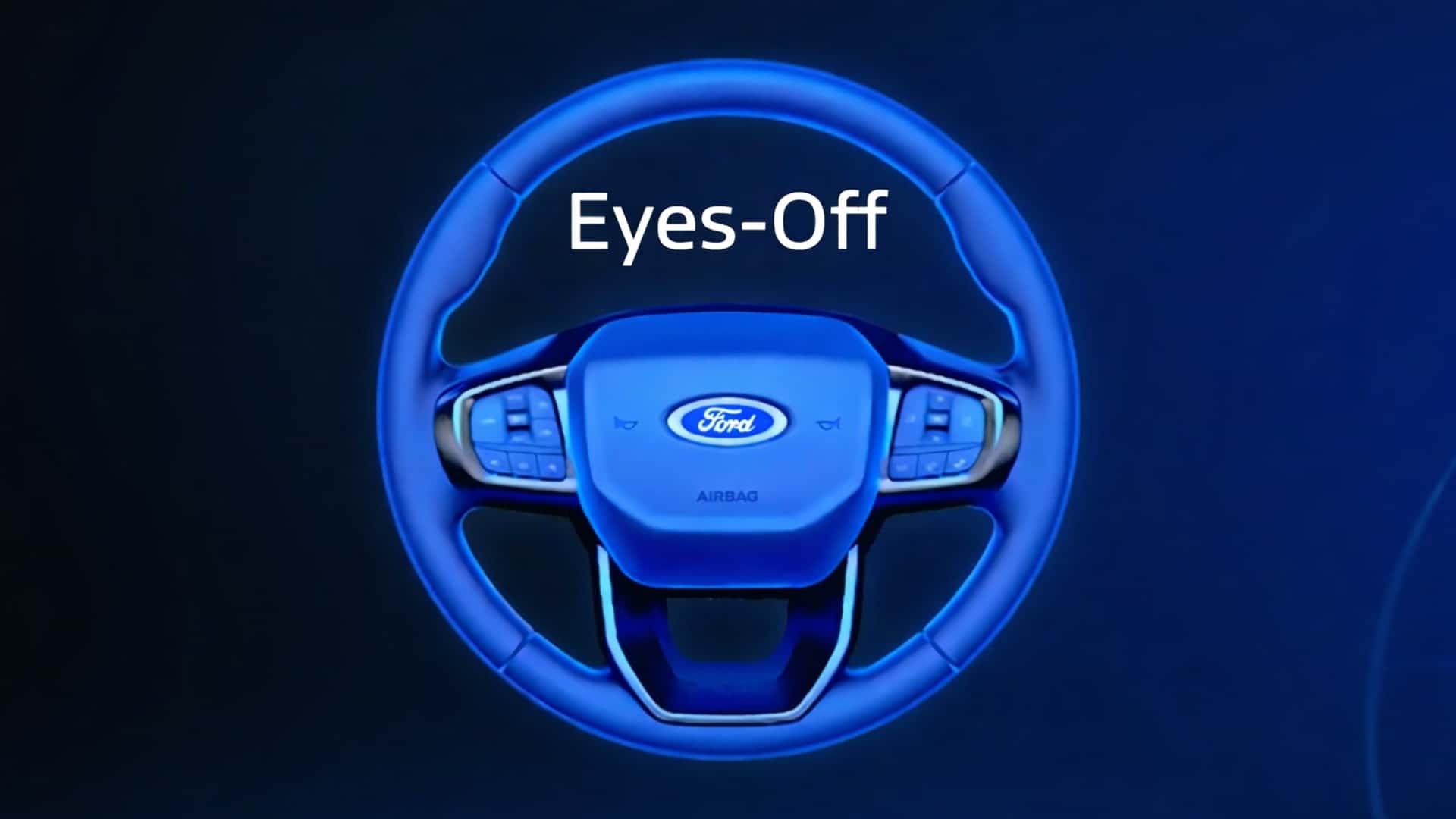
Ford has made a significant announcement at CES 2026 regarding its popular hands-free highway driving system, BlueCruise. The automaker revealed its plans to upgrade BlueCruise to go fully eyes-off by the year 2028. This new and improved version of BlueCruise is set to debut on Ford’s Universal Electric Vehicle platform, which will first be featured in a $30,000 electric pickup truck.
Doug Field, Ford’s chief EV, digital, and design officer, emphasized the importance of democratizing advanced autonomous driving technology. He stated, “Autonomy shouldn’t be a premium feature,” highlighting the company’s commitment to making cutting-edge autonomous driving capabilities accessible to a wider audience. The introduction of eyes-off driving in 2028 is a significant step towards achieving this goal.
Currently, BlueCruise allows drivers to take their hands off the wheel on approved highways, as long as they remain attentive and ready to intervene if necessary. Unlike some competitors, such as Tesla and Mercedes-Benz, BlueCruise does not function in urban environments. However, Ford’s entry into more advanced levels of driving automation signals a shift in the industry towards greater autonomy.
Ford joins other major automakers in expanding their autonomous driving capabilities, overcoming technical challenges and regulatory hurdles. Companies like Mercedes-Benz and General Motors have also announced plans to introduce Level 3 driver-assistance systems in the near future. Chinese automaker Geely has also unveiled a Level 3 system at CES 2026, further highlighting the global push towards advanced autonomous technologies.
With the automotive industry rapidly evolving towards greater automation, Ford’s announcement of eyes-off driving in BlueCruise represents a significant milestone. By integrating this technology into their Universal Electric Vehicle platform, Ford aims to make advanced autonomous driving features more accessible and affordable for consumers. As the company continues to innovate in this space, the future of autonomous driving looks promising for drivers around the world. The integration of artificial intelligence into Ford’s ecosystem is not just limited to vehicles. Ford is also working on an AI assistant that can be used outside of the car, even at places like Home Depot. This feature is designed to seamlessly transition between the Ford and Lincoln App on your phone and your vehicle.
Imagine being able to take a photo of some supplies at your local home improvement store and then asking the AI assistant if those items will fit in your truck bed. This kind of functionality could revolutionize the way people shop for and transport goods, making the entire process more efficient and convenient.
Ford’s foray into AI technology is a natural progression for the company as it continues to innovate and adapt to the changing needs of consumers. By incorporating AI assistants into both their vehicles and smartphone apps, Ford is ensuring that their customers have access to cutting-edge technology that can enhance their driving experience and everyday lives.
While Ford has not provided specific details about the cost or availability of this AI assistant feature, it’s clear that the company is committed to staying at the forefront of technological advancements in the automotive industry. With the potential for hands-free highway driving and AI-powered assistance both inside and outside the vehicle, Ford is shaping up to be a leader in the realm of smart, connected transportation. Ford’s latest development in automotive technology is making waves in the industry. While many car manufacturers rely on third-party apps like ChatGPT for information gathering, Ford has taken a different approach. The company has integrated “Ford-specific data” into its systems, ensuring accuracy and reliability rather than relying on guesswork from the internet.
One of the key components of this new system is Ford’s in-house computer ‘brain’. The Ford High-Performance Compute Center is a cutting-edge unit that combines infotainment, automated driving, audio, and connected networking into one compact package. This advanced computer offers higher performance, lower production costs, and a smaller size, allowing Ford vehicles to have more powerful computing capabilities and features compared to current models. This innovation is expected to enhance the overall driving experience for customers, making vehicles feel more consistent, reliable, and capable year after year.
The introduction of the UEV platform’s zonal architecture is another significant development by Ford. This architecture represents a more advanced and streamlined approach to handling vehicle electronics, promising a more efficient and effective system for managing various electronic components in the vehicle.
Ford’s commitment to vertical integration rather than relying on a network of suppliers is evident in its efforts to stay competitive with Chinese automakers in terms of speed and costs. By developing its own technologies and systems in-house, Ford is positioning itself for success in the rapidly evolving automotive industry.
While details about the Ford UEV truck are still scarce, the company has promised more information in the near future. With advanced autonomy features and cutting-edge technology in the pipeline, Ford is gearing up for a groundbreaking release next year. Executives like Jim Farley and Field have emphasized the importance of investing in these technologies for Ford’s continued success in the coming years.
Ford’s dedication to innovation and technological advancement is evident in its latest developments. With the integration of Ford-specific data, the introduction of the High-Performance Compute Center, and the implementation of zonal architecture in the UEV platform, Ford is setting the stage for a new era of automotive excellence. Customers can expect a more advanced, reliable, and capable driving experience with Ford’s upcoming vehicles, solidifying the company’s position as a leader in the automotive industry.