
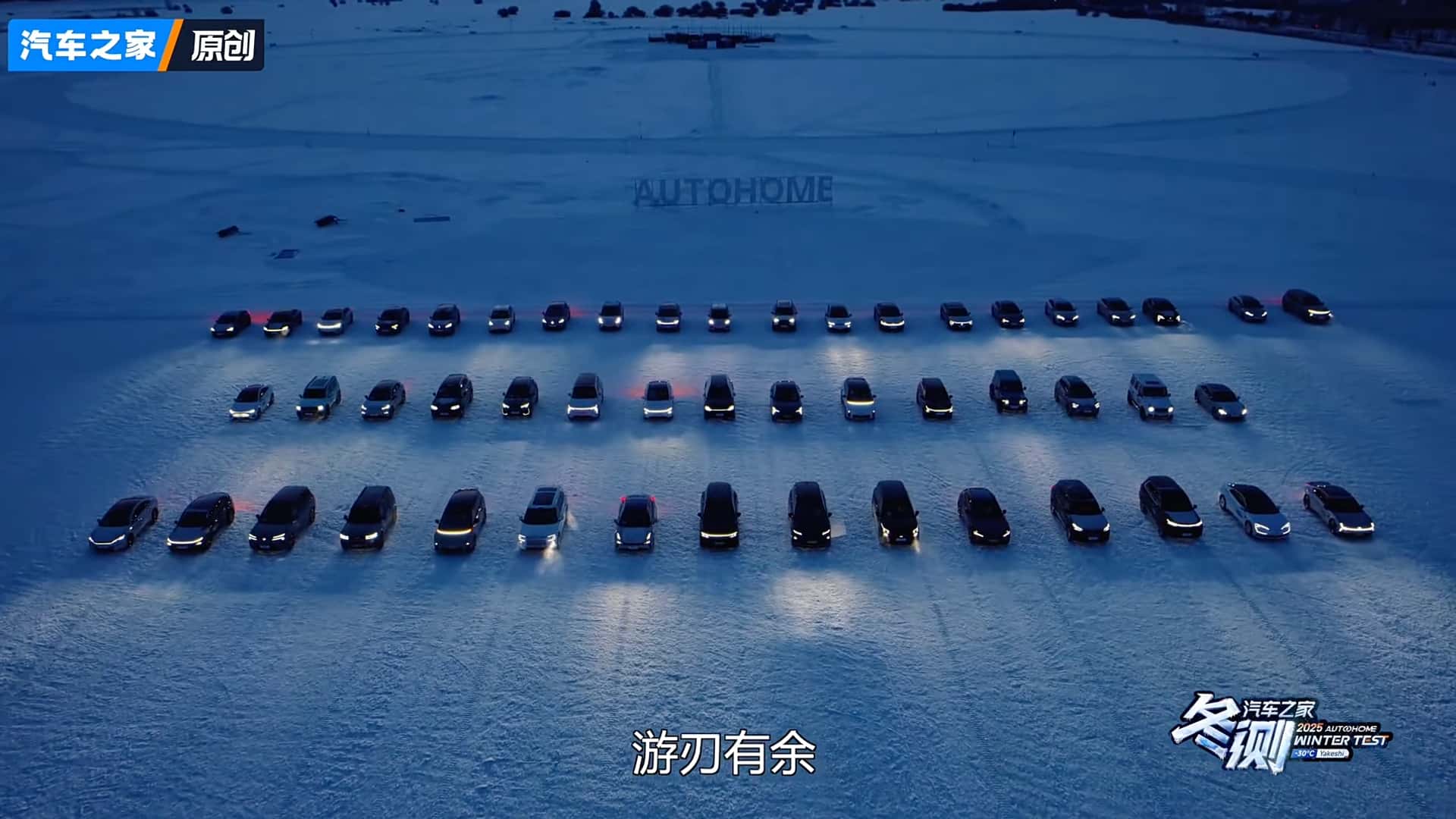
Despite these challenges, Chinese EVs performed admirably in the test. The 2023 Geely Zeekr 001 topped the ranking, retaining 70% of its range in the harsh conditions. The XPeng P5 and BYD Tang also performed well, retaining 66% and 64% of their range, respectively.
The top-performing non-Chinese models were the Tesla Model Y L and the Nissan Ariya, with both retaining around 60% of their range. While these results are impressive, they also highlight the need for continued innovation in battery technology to improve performance in extreme conditions.
Overall, the winter test in Inner Mongolia provided valuable insights into the performance of EVs in cold weather. As electric vehicles become more popular around the world, understanding their limitations and finding ways to overcome them will be crucial to their widespread adoption. With continued research and development, EV manufacturers can improve battery technology and thermal management systems to ensure that drivers can rely on their vehicles even in the coldest of temperatures.
As the automotive industry continues to shift towards electrification, tests like these will play a vital role in pushing the boundaries of EV technology and driving innovation in the sector. The world’s largest EV winter test in China has shown that while there are challenges to overcome, the future of electric mobility is bright.
Electric vehicles (EVs) have been gaining popularity around the world due to their eco-friendly nature and cost-effective operation. However, one challenge that EVs face, especially in cold weather conditions, is the impact on their range due to battery performance. To address this issue, many EV manufacturers have incorporated innovative solutions such as using a heat pump or resistive heater to keep the battery warmed up and maintain optimal performance.
A recent winter range test conducted in Mongolia shed light on how different EV models fared under extreme weather conditions. The test, unlike the typical highway range tests conducted in the U.S., was carried out at speeds of around 70-80 kilometers per hour (43-49 mph), which is more reflective of average driving speeds in China. Despite the challenging icy surfaces and sub-zero temperatures, the test provided valuable insights into the performance of EVs in harsh winter conditions.
Among the EV sedans tested, the Xpeng P7 emerged as the top performer, covering 366.7 km (227 miles) on a full charge and retaining nearly 53.9% of its CLTC range of 680 km (422 miles). The Yangwang U7 and Zeekr 001 followed closely, achieving 51.8% and 49.6% of their original range, respectively. The Tesla Model 3 and Nissan N7 also performed well, retaining about 48% and 47.4% of their rated range.
Interestingly, the new Mercedes-Benz CLA fell short of expectations, only retaining 37% of its claimed range under rigorous testing. This was slightly disappointing considering its advanced features and modern design. The test results highlighted the importance of considering various factors such as vehicle weight, aerodynamics, and heating systems in determining EV performance in winter conditions.
| Model | Range In Miles | % Of Rated Range |
| Xpeng P7 | 228 | 53.9% |
| Yangwang U7 | 232 | 51.8% |
| Zeekr 001 | 225 | 49.6% |
| Tesla Model 3 | 225 | 48.0% |
| Nissan N7 | 184 | 47.4% |
| BYD Seal 06 | 155 | 45.6% |
| Xpeng Mona M03 | 168 | 45.0% |
| Feng Cheng Bao 3 | 140 | 44.9% |
| Aito M7 | 175 | 44.4% |
| BYD Han L | 164 | 43.9% |
Despite the significant decline in range figures observed during the test, it’s essential to consider the unique testing conditions that impacted the results. Factors such as extreme weather, strong winds, and heated cabins contributed to the variations in range performance among the EV models tested.
Overall, the winter range test highlighted the importance of incorporating efficient heating systems, such as heat pumps or resistive heaters, to optimize EV battery performance in cold weather conditions. As EV technology continues to evolve, manufacturers will likely focus on improving battery efficiency and range in all weather conditions to enhance the overall driving experience for EV owners.
The recent range test conducted by Autohome has shed light on the performance of various electric vehicles in terms of their CLTC range. Surprisingly, the Xiaomi SU7, Aito M7, and the Nio ES8 all outperformed the Tesla, retaining more than 40% of their CLTC range. This is a significant achievement for these lesser-known brands, showcasing their capability to compete with established players in the EV market.
One of the key factors contributing to the success of these vehicles was their energy consumption per 100 kilometers. Smaller and more affordable EVs tended to perform better in this category due to their lightweight and simpler architectures. The BYD Seagull and the Geely Xingyuan emerged as the top performers, consuming approximately 23.5 kilowatt hours of electricity to cover 62 miles, which translates to about 2.6 miles per kWh. Following closely behind were the BYD Seal 06, Wuling Bingo S, and the Tesla Model 3, all showcasing impressive energy efficiency.
This test not only highlights the potential of emerging EV brands but also underscores the importance of energy efficiency in electric vehicles. As the demand for EVs continues to rise, manufacturers will need to focus on improving energy consumption metrics to meet the needs of consumers and reduce the environmental impact of transportation. The performance of the Xiaomi SU7, Aito M7, and Nio ES8 in this test serves as a testament to the innovation and progress happening in the EV industry, pushing boundaries and challenging traditional norms.