
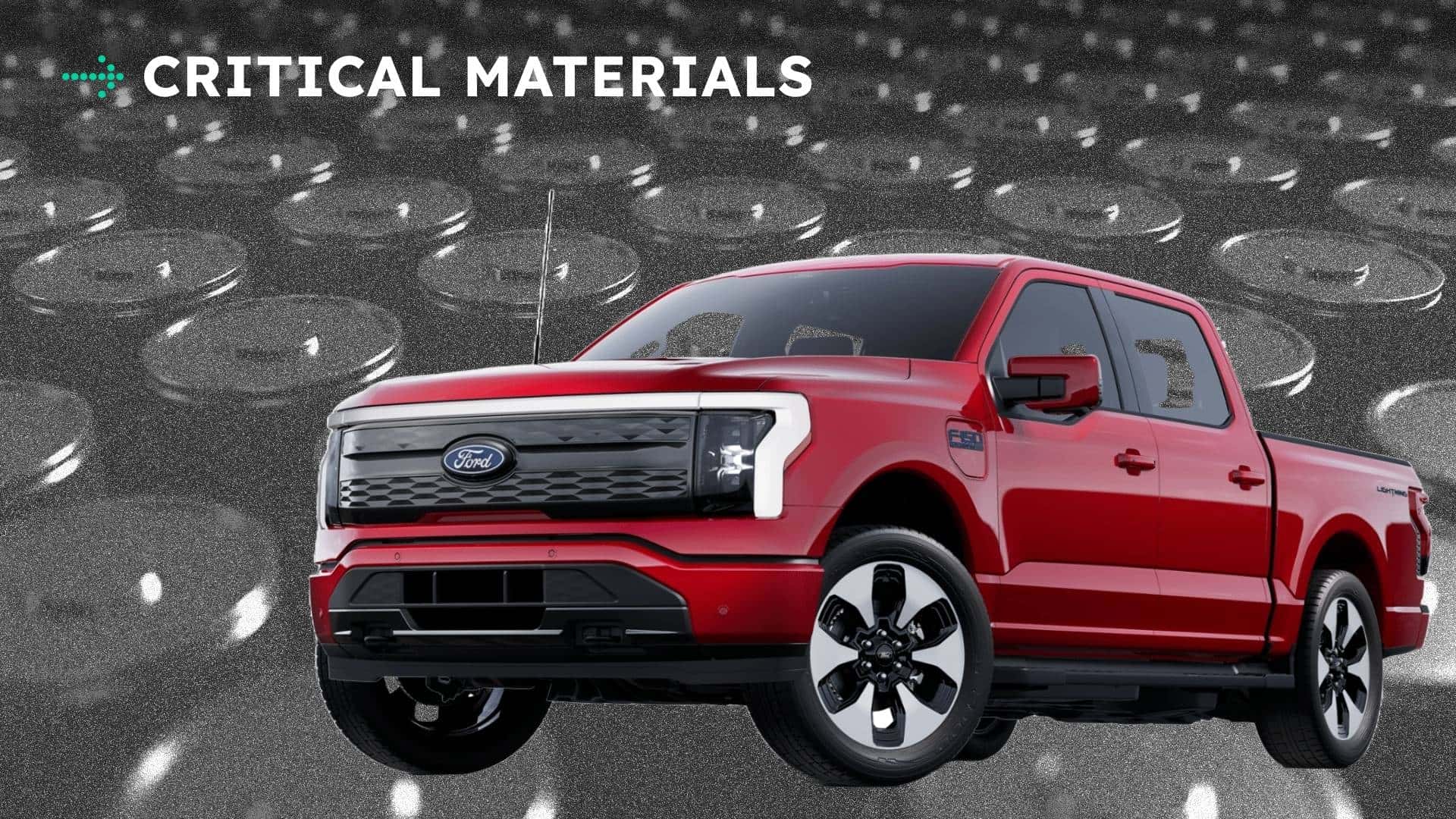
This decision by Ford marks a significant shift in the American auto industry, as the company pivots away from electric vehicles and towards its core gas-truck business. The repercussions of this move are being felt globally, particularly in South Korea, where Ford has canceled billions of dollars’ worth of battery orders from LG Energy Solution (LGES) and SK On.
The cancellation of these orders has put thousands of jobs at risk and could have a lasting impact on the battery industry. Ford’s decision to scale back its electric-vehicle ambitions has sent shockwaves through the industry, as automakers and battery suppliers rely on long-term contracts to design, develop, and scale high-voltage battery packs for upcoming EV models.
LGES, one of Ford’s Korean partners, was gearing up to supply billions of dollars worth of battery packs to the American automaker. In a regulatory filing, LGES stated that the cancellation of the battery order was due to Ford’s decision to discontinue the production of certain EV models, citing recent policy changes and shifts in EV demand forecasts.
The $6.5 billion agreement signed in October 2024 would have seen LGES supply 34 gigawatt-hours of batteries to Ford between 2026 and 2030. Additionally, LGES had committed to supplying another 75 GWh of batteries for Ford’s commercial vehicle lineup from 2027 through 2032. However, Ford’s shift towards gas-powered trucks has led to the cancellation of these orders.
Furthermore, Ford’s $11.4 billion battery joint venture with SK On has also come to an end, resulting in layoffs at the Glendale, Kentucky battery plant. Ford will now take full control of the Kentucky facility, while SK On will assume ownership of the Tennessee battery plant.
This strategic shift by Ford reflects the challenges facing the electric vehicle market, particularly in the face of changing government policies and market demands. As Ford redirects its resources towards gas-powered trucks and smaller, more affordable EVs, the ripple effects of this decision are being felt across the industry, impacting not only Ford’s partners in South Korea but also the broader battery industry as a whole.
markets, and mobile service units for maintenance and repairs.
The decision marks a victory for Scout Motors in its efforts to break into the competitive EV market. By selling directly to consumers, the company can control the entire customer experience and potentially lower costs by cutting out the middleman. This move also aligns with Colorado’s commitment to promoting electric vehicle adoption and reducing emissions.
Scout Motors plans to launch its electric SUV and pickup in the U.S. market later this year, with a focus on performance, technology, and sustainability. The company aims to differentiate itself by offering a seamless buying process and exceptional customer service, setting itself apart from traditional dealerships.
Both companies plan to pivot toward stationary energy storage systems (ESS), a fast-growing business driven by surging demand from the AI and renewable energy sectors. With the shift towards clean energy sources and the increasing need for grid stability, stationary ESS solutions are becoming crucial for supporting the integration of renewables and managing energy demand.
As Scout Motors and Electrify America make strategic moves to capitalize on the growing demand for energy storage solutions, they are positioning themselves for success in a rapidly evolving market. By focusing on stationary ESS, both companies are tapping into a lucrative sector that is poised for significant growth in the coming years.
car buyers have long complained about. By launching a flexible nationwide service footprint, automakers can further enhance the customer experience and differentiate themselves from traditional dealership models.
One of the key advantages of a flexible nationwide service footprint is the ability to reach customers in remote or underserved areas. Traditional dealerships are often concentrated in urban or suburban areas, leaving rural customers with limited options for purchasing and servicing their vehicles. By offering a nationwide service footprint, automakers can ensure that all customers have access to convenient and reliable service, no matter where they are located.
In addition, a flexible nationwide service footprint allows automakers to adapt to changing market conditions and customer preferences. For example, if a particular region experiences a surge in demand for a certain model, automakers can quickly deploy service technicians to that area to meet customer needs. This flexibility helps automakers stay agile and responsive to market trends, giving them a competitive edge over traditional dealerships.
Furthermore, a flexible nationwide service footprint can help automakers build brand loyalty and trust among customers. By providing consistent and high-quality service across the country, automakers can ensure that customers have a positive ownership experience and are more likely to recommend the brand to others. This can lead to increased sales and market share, as satisfied customers become brand advocates and help drive word-of-mouth referrals.
Overall, launching a flexible nationwide service footprint is a smart move for automakers looking to modernize their sales and service models. By offering customers more convenience, choice, and control, automakers can differentiate themselves in a crowded market and build lasting relationships with customers. With the automotive industry undergoing rapid changes, a flexible nationwide service footprint is a strategic investment that can help automakers stay ahead of the curve and drive long-term success.